The Diagnosis: Acute Managerial Instability
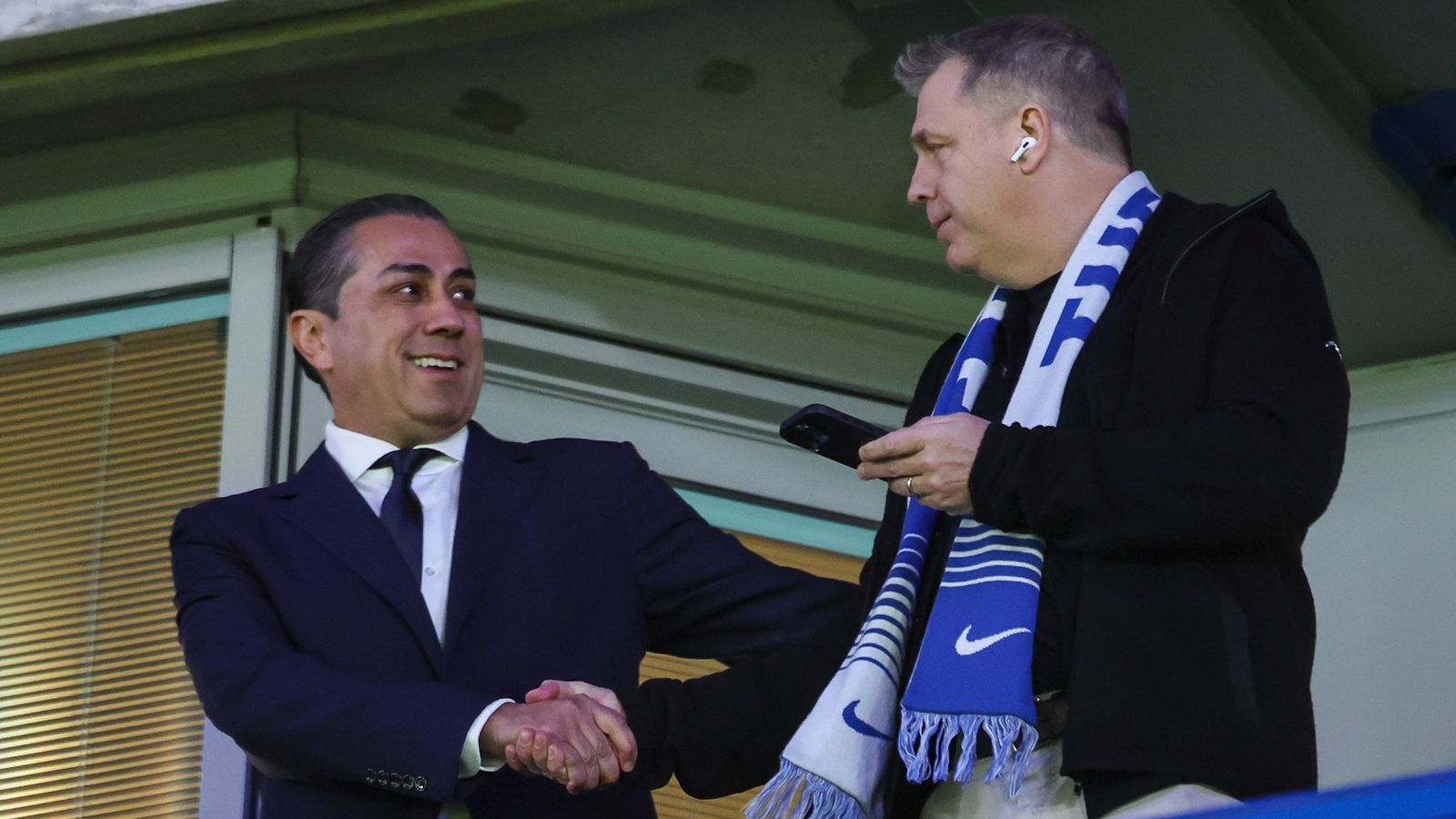
Chelsea Football Club is unwell. This is not a case of a hamstring strain or a metatarsal break, but a chronic condition of institutional chaos inflicted from the very top. The diagnosis, echoed by seasoned observers of the game, points to a severe lack of strategic direction from the BlueCo ownership group, fronted by Todd Boehly and Clearlake Capital.
The core of the sickness is a revolving door policy for the manager's office that makes the Roman Abramovich era look like a model of stability. Pundits and fans are struggling to identify a coherent footballing philosophy. As BBC Sport's chief football writer Phil McNulty puts it, the owners have constructed a "monument to chaos and decline" at a club that was the reigning European champion just a few years ago.
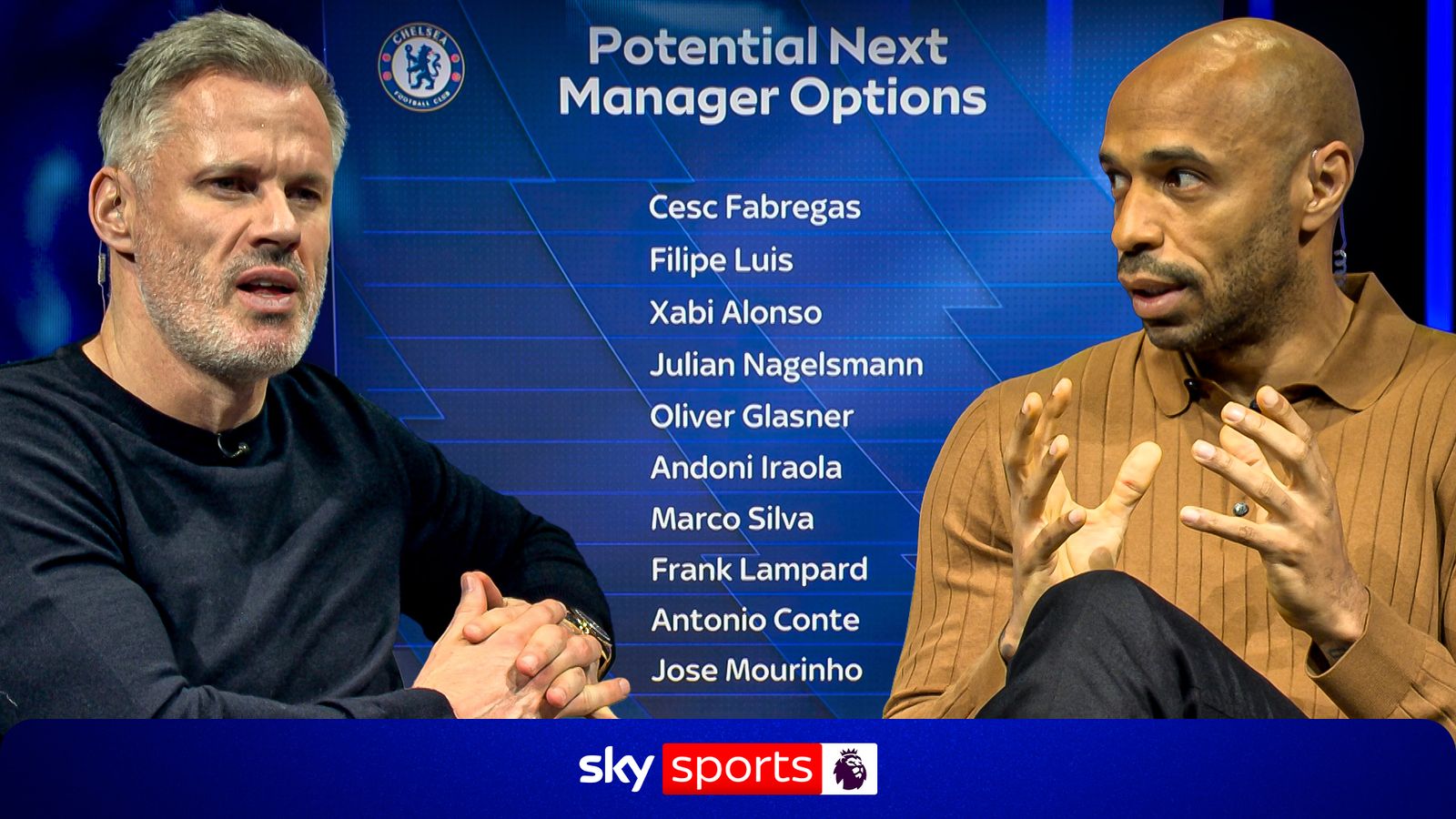
Gary Neville, speaking on Sky Sports, was even more blunt in his assessment. "They haven't got a clue," he stated, eviscerating the decision-making process at Stamford Bridge. Neville drew a parallel with Hull City's widely-criticised dismissal of Liam Rosenior to illustrate the kind of nonsensical thinking that plagues owners who lack deep footballing knowledge. The comparison highlights a fundamental problem: Chelsea's hierarchy appears to be making reactive, erratic decisions rather than building a sustainable project.
Symptoms and Timeline: A Billion-Pound Monument to Chaos
The symptoms of Chelsea's condition are stark and have been escalating since the takeover in May 2022. The most glaring is the expenditure of over £1 billion on new players, resulting not in a world-class squad, but a disjointed and imbalanced collection of talent. The squad's average age has plummeted, but with it has gone experience and leadership on the pitch.
The timeline of managerial casualties tells its own story. Thomas Tuchel, a Champions League-winning coach, was dismissed just weeks into the new ownership's first season. Graham Potter, hand-picked from Brighton for a reported £21.5 million compensation fee and handed a five-year contract, lasted less than seven months. Frank Lampard's interim return was a statistical disaster, and the subsequent departure of Mauricio Pochettino after just one season confirmed the pattern.
This constant state of flux has left the team rudderless. Players are operating under different systems and instructions every few months, making it impossible to build tactical familiarity or team cohesion. The result is a team that regularly underperforms its astronomical transfer value, oscillating between flashes of individual brilliance and long stretches of collective incoherence. The decline is not just on the pitch; it's a foundational rot, as the BBC has noted.
Expert Prognosis: No Quick Recovery In Sight
The prognosis from experts is grim. There is no simple surgery or short course of treatment to fix this kind of institutional failure. Neville's analysis suggests the problem lies with the owners themselves, a situation that cannot be resolved by simply signing another midfielder or appointing another head coach. "Fans will be disgusted with how this has gone," Neville predicted, and mounting evidence from Stamford Bridge suggests he's right.
The strategic implications are profound. Without a clear and stable footballing director and coaching staff, Chelsea risks becoming a graveyard for promising talent. Young players signed for huge fees may see their development stall in the constant turmoil. Furthermore, the club's ability to attract elite, established managers may be compromised. Why would a top-tier coach risk their reputation at a club where, as Neville's critique implies, long-term planning is a foreign concept?
The path to recovery is long and requires a fundamental shift in ownership philosophy. BlueCo must either hire credible, experienced football people and empower them to make long-term decisions or face a prolonged period in the wilderness. The current approach of data-driven recruitment mixed with impulsive managerial firings has created a paradox that no amount of money seems able to fix.
Historical Context: An Unfamiliar Strain of Chaos
Chelsea is no stranger to managerial turnover. During the most successful period in the club's history, former owner Roman Abramovich was notoriously impatient, sacking decorated managers like Carlo Ancelotti and José Mourinho. However, there was a crucial difference. Abramovich's decisions, while ruthless, were almost always followed by success. The underlying football structure remained strong, and the club consistently competed for the biggest trophies.
The current strain of chaos feels different. The BlueCo era lacks the Midas touch of its predecessor. The firings feel less like calculated moves to achieve a specific outcome and more like panicked reactions to poor performance—performance that the ownership's own strategy has largely caused. While Abramovich's Chelsea was a high-pressure environment built for immediate results, the new Chelsea feels like a high-spend experiment with no clear hypothesis.
Other clubs have suffered from similar ownership-induced slumps. Manchester United's post-Sir Alex Ferguson decline under the Glazer family serves as a cautionary tale, where a lack of footballing expertise at the top led to a decade of expensive mediocrity. Liverpool in the pre-FSG era under Tom Hicks and George Gillett is another. The critical observation is that Chelsea's decline, as detailed by pundits like Neville, has been far more rapid and far more expensive than those historical parallels.