The Big Picture: A Season of Disarray
The 2025-26 season has been defined by tactical instability and front-office failures that rendered several historic clubs unrecognizable. From dressing room collapses to basement-dwelling meltdowns, the following ten moments encapsulate a campaign that will be remembered for all the wrong reasons.
10. The Chelsea Meltdown at the Amex Stadium
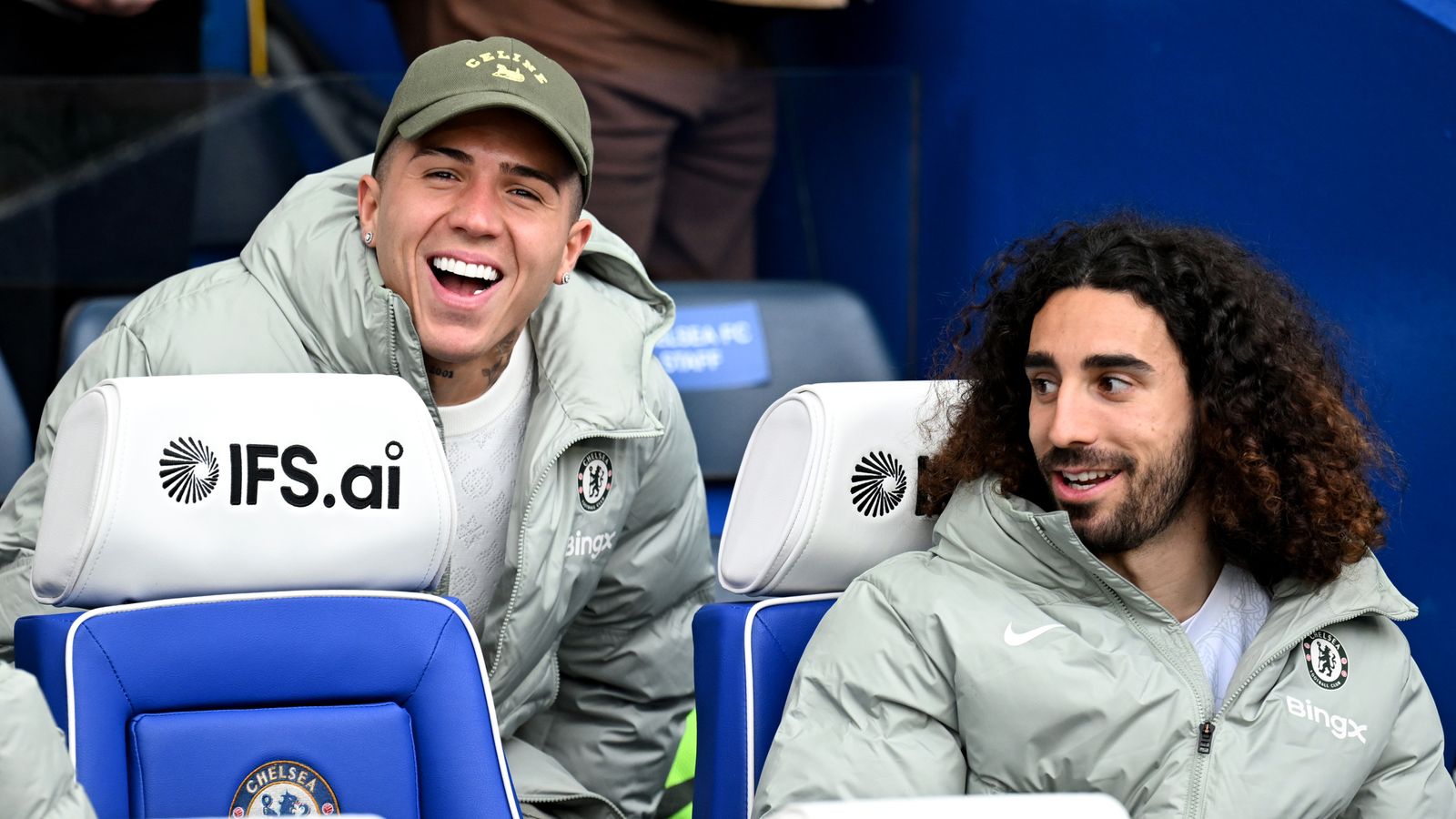
Chelsea hit a new low on April 21, 2026, dropping 3-0 to Brighton in a performance that lacked basic cohesion. The defeat marked the fifth consecutive loss under manager Liam Rosenior, as reported by the Mirror. The result was not just a scoreline; it was a total professional abdication which left fans visible in their fury. This ranks here because the sheer scale of the collapse suggests a club past the point of immediate repair.
9. Manchester City's Injury Crisis
Pep Guardiola faced a personnel nightmare heading into the Burnley fixture, confirming the unavailability of Rodri, Ruben Dias, and Josko Gvardiol. The absence of these three defensive anchors effectively shifted the dynamics of the title chase overnight. While depth remains a strength at the Etihad, losing the spine of the pitch in late April forces a tactical compromise that Guardiola rarely accepts without consequence. It serves as a reminder that even the most well-oiled machines rely on specific cogs to function.
8. The Stoke City Existential Crisis
Stoke City spent the decade oscillating between former top-flight ambitions and the cold reality of Championship mid-table anonymity. Their inability to define a clear identity has consistently sabotaged their attempts at resurgence. This is a story of tactical mismanagement where the club refused to commit to a philosophy, resulting in a persistent identity vacuum. It sits at eighth because it reflects the broader mediocrity of clubs lingering in football's purgatory.
7. The Mid-Season Managerial Carousel
The rate of turnover across the league this season shattered previous records for instability. Owners panicked at the first sign of poor metrics, leading to a string of appointments that failed to address root causes like recruitment flaws. Stability is a luxury only the top four seem to afford these days. This constant churn is a blight on the league, trading long-term growth for temporary survival.
6. The VAR Communication Breakdown
Controversy flared in November when a refereeing error changed the outcome of a match between mid-table sides. By failing to consult the monitor, the official missed an obvious handball, leading to a public apology from the PGMOL. The incident highlighted the lack of transparency in officiating protocols. It earns this spot because it stripped away the illusion that technology would magically solve human error.
5. The Youth Academy Exodus
Several Premier League clubs lost core academy talents to continental sides this winter, seeking consistent first-team minutes elsewhere. The inability to offer pathway clarity has seen top-tier prospects exit in search of development. It highlights a massive failure in squad management from clubs hoarding talent they cannot actually utilize. A short-sighted move that will hurt these teams in the long run.
4. The North London Derbies' Tactical Stagnation
Matches between top four contenders have become cagey, defensive-minded affairs that prioritize not losing over winning. This trend peaked earlier this year, resulting in two dour draws that frustrated the neutrals. The lack of risk-taking at the highest levels is a negative trend that detracts from the spectacle. We have reached a point where fear dictates the outcome of the biggest games.
3. The Financial Fair Play Investigations
The looming threat of point deductions forced several clubs to sell key assets during the January window to balance their books. This austerity forced a level of transparency that owners have fought for years to bury. While necessary for the game's health, it created a stark divide in competitive spending. It ranks near the top for changing the way teams approach squad construction permanently.
2. The Collapse of the Mid-Table Hierarchy
The gap between the top six and the rest of the league has widened into a chasm, effectively turning the table into two separate entities. Clubs once capable of challenging the elite have retreated into a defensive shell, playing for draws to secure survival. This stagnation is the most damaging trend of the season, as it removes the competitive viability of the league's middle tier. The lack of ambition from clubs with resources is objectively disappointing.
1. The Rise of the Defensive Block
Nothing destroyed the product more this year than the widespread adoption of the low-block system by bottom-half teams. It rewarded cynicism and killed the attacking flow, resulting in the lowest goal-per-game average in five years. While effective for safety, it made for a grueling viewing experience throughout the middle of the season. This represents the ultimate tactical failure of the league, prioritizing 0-0 draws over actual football.
Honorable Mentions
The surprise resurgence of the bottom-three clubs in March provided the only genuine excitement in an otherwise monotonous relegation battle. The late-season transfer of a fringe striker to a title contender also shifted the odds, though the move has largely been a failure due to injury. These moments were secondary to the systemic issues that plagued the season as a whole.