That Old Familiar Feeling
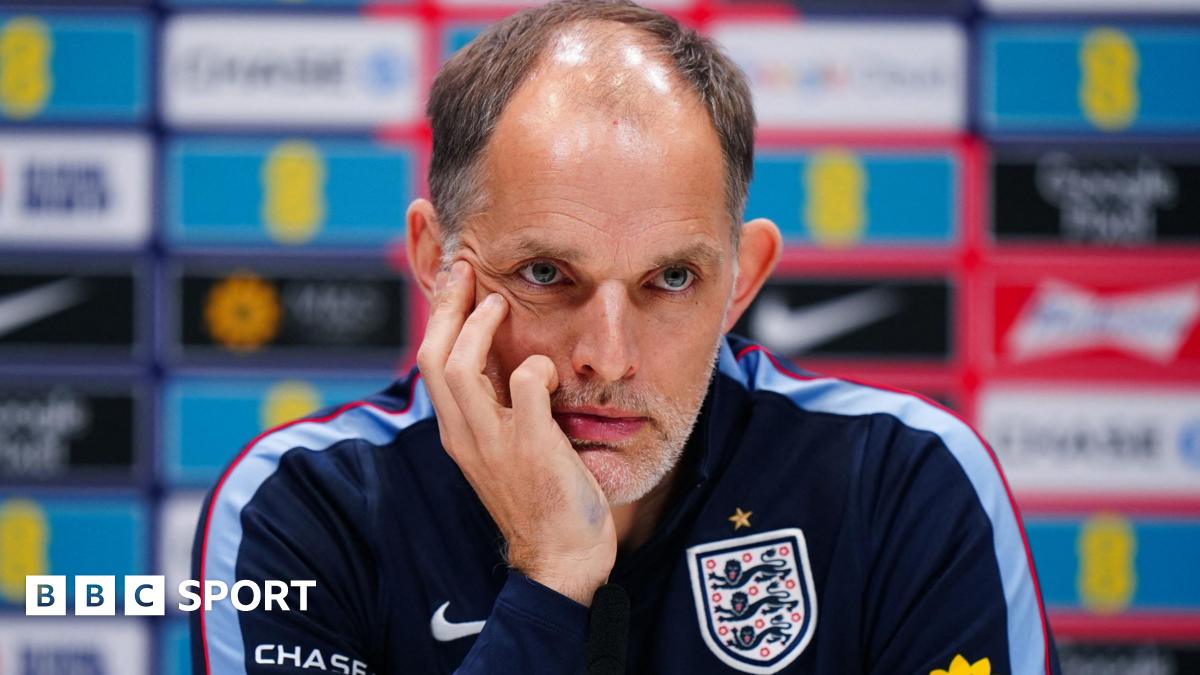
A goalless draw at Wembley, a chorus of sighs from the stands, and a fresh wave of scrutiny on the manager. For England supporters, the 0-0 stalemate against Uruguay last week felt like a rerun of a show they’ve seen too many times. According to reports from outlets like The Guardian, the reaction was predictably negative, leaving a sour taste just as the final preparations for the 2026 World Cup cycle begin to take shape. This wasn't the confident, forward-thinking performance fans were hoping for under Thomas Tuchel; it was a frustratingly blunt and uninspired ninety minutes.
The result itself is not a disaster. Uruguay are a tough, well-organized side. But it’s the manner of the performance that has set alarm bells ringing. Now, with a friendly against a technically adept Japan side looming on Tuesday, the pressure is already mounting on Tuchel to “improve the mood music,” as one report put it. This match is no longer a simple exhibition; it's a test of resolve and a chance to prove the Uruguay game was a blip, not a sign of deeper tactical stagnation.
A Squad Hit By Withdrawals
Compounding the frustration of the on-field performance is the fact that Tuchel is operating with a depleted squad. The camp has been hit by an unspecified number of withdrawals, a common but always disruptive feature of the modern international break. While injuries are a part of the game, their timing here is particularly poor. These friendlies are the last opportunity for the manager to test partnerships and drill his system before the high-stakes qualifiers get underway. Every missed session is a missed opportunity to build the cohesion that separates good teams from great ones.
The withdrawals force Tuchel’s hand, turning tactical blueprints into improvised sketches. Players who expected to be on the fringes are suddenly thrust into the spotlight, while established starters watch from home. This creates a domino effect across the pitch. A change in one position can force a shift in another, disrupting the delicate balance of the team. For a manager like Tuchel, whose systems are built on precise roles and responsibilities, this lack of continuity is a significant headache. It robs him of the chance to build the rhythm and understanding that was so clearly lacking against the Uruguayans.
The negative side-effect is a potential lack of chemistry against Japan. The silver lining, however, is that it presents a golden chance for others to stake their claim. An injury to a key player is an opportunity for his understudy. For those on the plane who might have expected to spend the week holding tackle bags, this is their moment to impress the manager and prove they belong in the conversation for the World Cup squad. It is a high-stakes audition.
The Tactical Conundrum
The central problem against Uruguay was a lack of offensive punch. A clean sheet is always welcome, but England looked short of ideas in the final third, unable to break down a resolute defensive block. The question is, how much of that was down to the system, and how much was down to the personnel available? The recent squad withdrawals only muddy the waters. Without knowing who has dropped out, it's impossible to say whether England's primary creators or finishers are the ones missing.
This is where Tuchel earns his salary. Does he stick to his preferred formation, trusting that different players can execute the same roles, or does he adapt his system to suit the personnel he has left? Against a team like Japan, known for its quick passing and disciplined movement, a disjointed England press or a midfield that isn’t on the same wavelength could be ruthlessly exposed. The manager’s pre-match setup and in-game adjustments will be under intense scrutiny.
One critical observation from the Uruguay match was the slow tempo of England's ball movement. Passes were safe, and there was a reluctance to take risks to penetrate the opposition's lines. This is where the psychological impact of a negative atmosphere comes in. Players can become afraid to make mistakes, leading to the kind of sterile domination that produces few genuine chances. The withdrawals, while a problem, also offer a convenient excuse. The deeper, more worrying issue is if the tactical approach itself is too rigid and fails to empower England's creative talents, whoever they may be on the day.
Judgment Day at Wembley
The upcoming match against Japan has now taken on an outsized importance. It is a barometer for the health of this England squad. Another flat performance, even with the caveat of a depleted roster, will amplify the concerns and send the team into the next block of fixtures under a cloud of negativity. The result almost matters less than the performance; fans and pundits will be looking for signs of progress, a clear identity, and a spark of the attacking verve that was so absent against Uruguay.
For Tuchel, it's a chance to demonstrate his adaptability and man-management skills. Can he rally a patched-up squad and deliver a convincing win? Can he find a tactical solution that unlocks the team's offensive potential? A strong showing would quell the rising discontent and re-frame the narrative around his leadership. It would prove that the team is more than the sum of its parts and that the system is resilient enough to withstand the loss of key individuals.
The road to the 2026 World Cup in North America is long, but the journey has begun. Every match, every training session, is a building block. Right now, England's foundation looks a little shaky. The performance against Japan will tell us whether the cracks are superficial or a sign of more significant problems to come.
Read Next
- Tuchel's Makeshift England Faces a Cohesive Japanese Test
- Thomas Tuchel is betting the house on John Stones' fitness
- Tuchel needs to stop overthinking England before the World Cup starts in June
- Thomas Tuchel needs to stop the experiments before Japan arrives at Wembley
- 🏆 World Cup 2026 — Full Coverage Hub
- 🏴 England World Cup 2026 — Three Lions Hub
- 🇯🇵 Japan World Cup 2026 — Samurai Blue Hub