The Immediate Friction
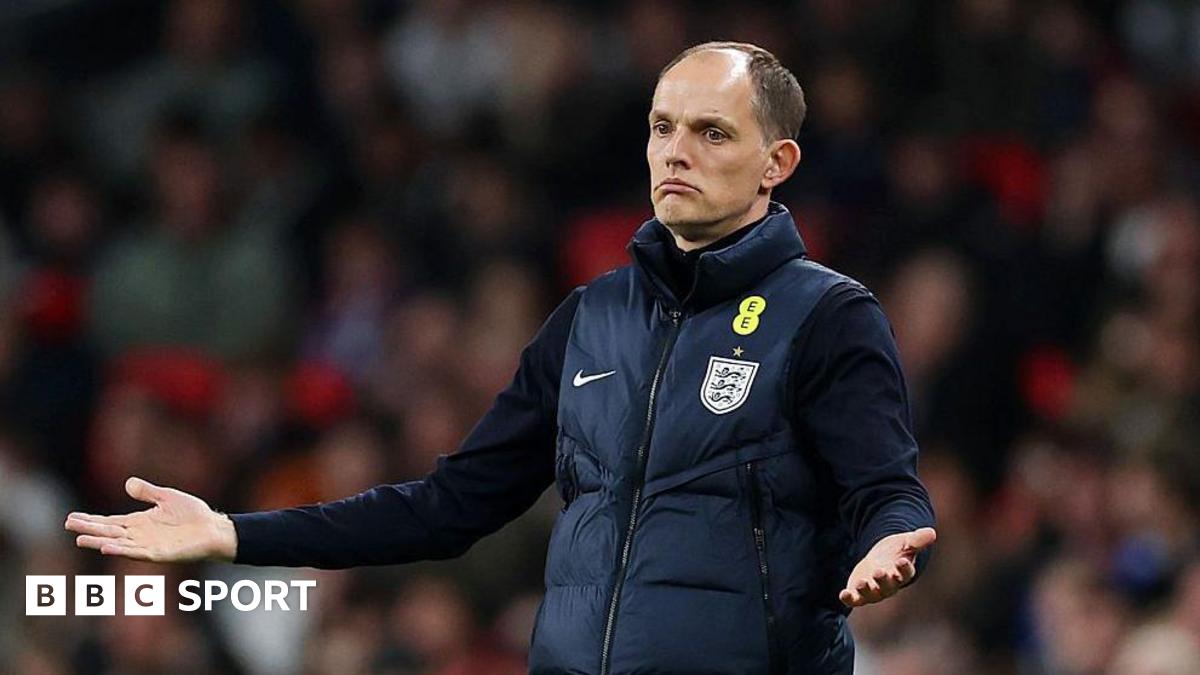
Thomas Tuchel’s appointment as England manager has brought an abrupt shift in tone at St George’s Park. While the tactical adjustments were expected, his public demeanor has become the primary talking point following a recent defeat.
During a candid exchange on ITV, Tuchel flatly refused to discuss the psychological burden of the England shirt after a home loss to Japan. His response, “I don't want to engage in this discussion,” signaled a detachment that stands in stark contrast to the media-friendly aura cultivated by his predecessors.
Tactical Rigidity and Future Risks
The tactical identity Tuchel is attempting to implement remains a work in progress. His reliance on high-pressing structures often leaves the fullbacks isolated, a flaw exploited repeatedly by Japan’s transition game. The team’s inability to adjust mid-match suggests a rigid adherence to systems that may not suit the specific personnel currently available in the squad.
Beyond the pitch, the cultural adaptation is proving difficult. Tuchel is a coach who demands absolute discipline and specific positional traits. When these demands aren't met, his patience evaporates quickly, as he previously demonstrated during his time at Chelsea and Bayern Munich.
The Transfer Implications
Tuchel’s specific preferences for technical profiles will inevitably leak into the club market. Sources close to the FA suggest he is looking for players who can execute a 3-4-2-1 formation with intense structural discipline. This shift will likely impact which players receive call-ups ahead of the summer fixtures.
The risk here is alienation. By dismissing questions about player mentalities or the weight of expectation, Tuchel runs the risk of isolating his core squad. If results don't improve before the June tournaments, his style could be perceived as a liability rather than a leadership asset.
Critical Outlook
There is a glaring lack of depth in the defensive midfield ranks for the specific system Tuchel favors. Without a natural pivot capable of anchoring the defense under sustained pressure, the team will continue to struggle against organized counter-attacking units. His failure to address these tactical holes—or his refusal to communicate about them—is the first sign of a potentially fractious relationship with the English press and fans.
As reported by Mirror Football, the frostiness of his recent interviews does nothing to lower the temperature surrounding his position. If he continues to view simple inquiries as hostile engagements, the mounting pressure of the job will become an unnecessary distraction from the primary goal of winning major international silverware.