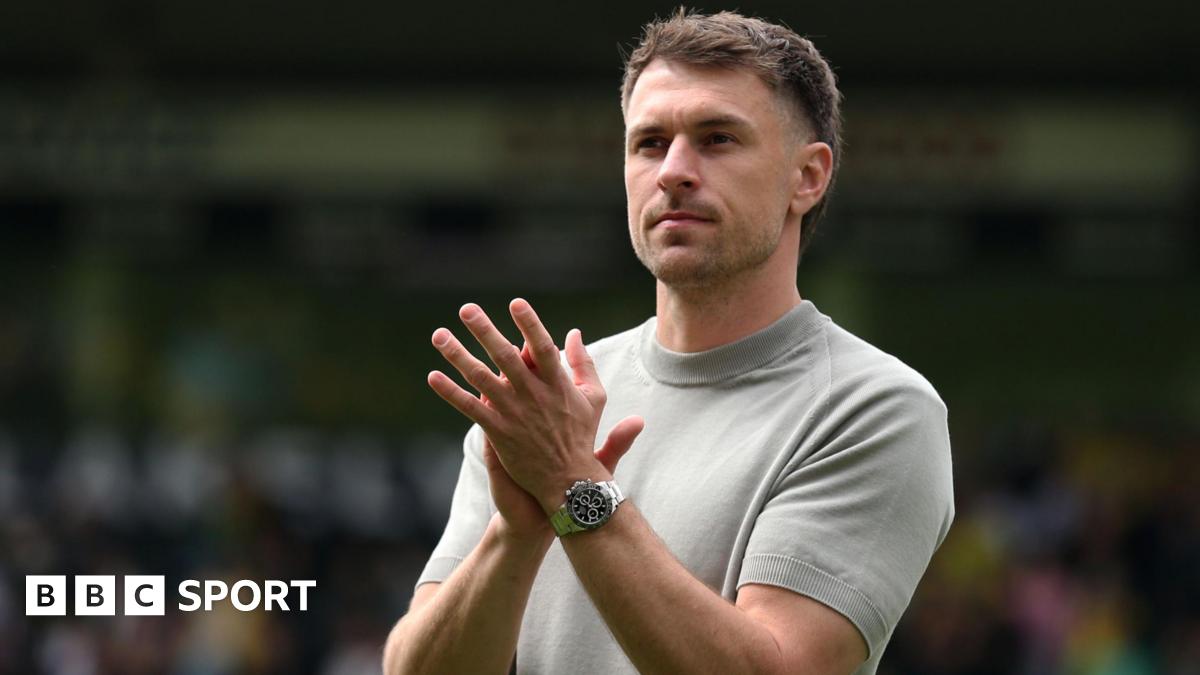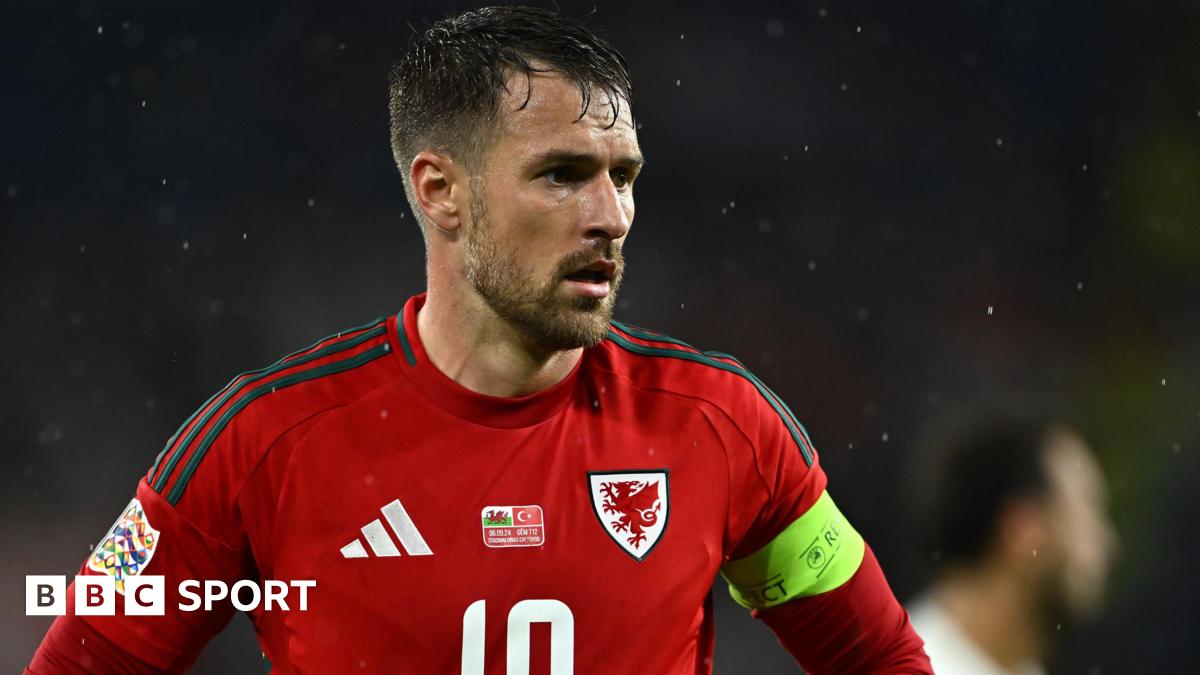
The Engine Finally Cuts Out in Cardiff
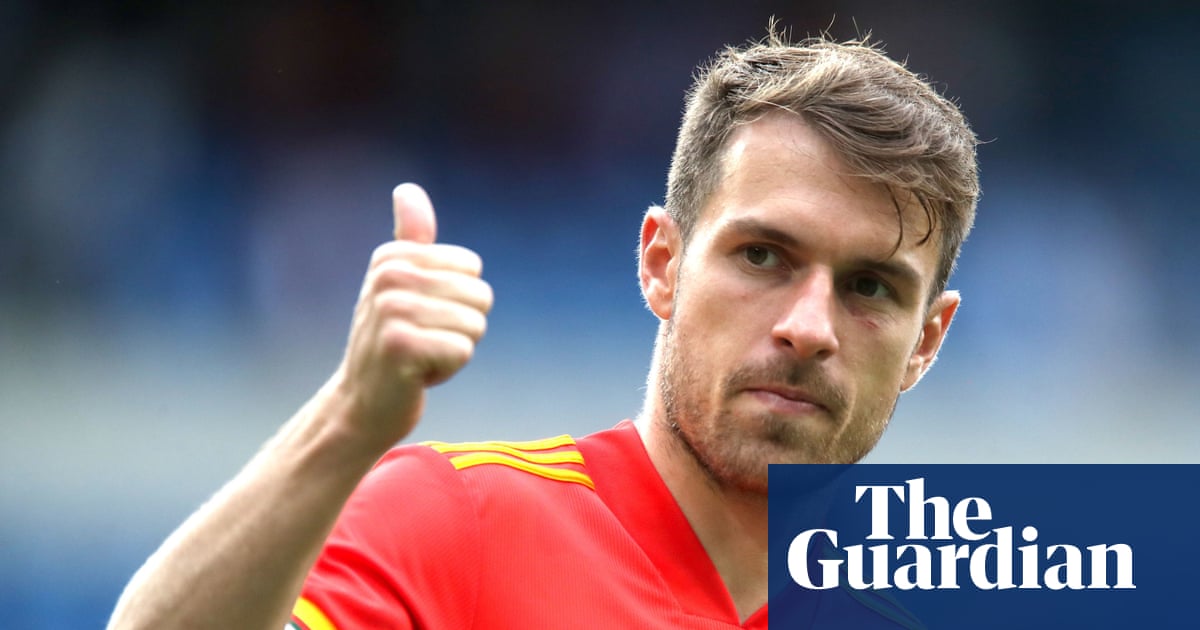
Aaron Ramsey’s retirement from professional football this morning isn’t just a headline for the back pages. It is a medical surrender. The announcement, confirming he is stepping away with immediate effect, marks the end of a career that was as much about the treatment room as it was about the trophy cabinet.
For Wales, the timing is catastrophic. We are exactly 65 days away from the kickoff of the 2026 FIFA World Cup. Craig Bellamy now loses his captain and his most experienced creative hub before the squad even gathers for pre-tournament camps. The vacancy left in the Welsh midfield is massive, but the reality is that Ramsey hasn't been a ninety-minute player for years.
The decision comes after a season at Cardiff City that was defined by frustrating cameos and recurring calf issues. Sources close to the club suggest the latest setback in training was the final straw. It wasn't one explosive injury that did it, but the cumulative erosion of his explosive power. When the brain sends a command that the muscles can no longer execute, a player of Ramsey's caliber knows the game is up.
A Medical History Written in Scars
To understand why Ramsey is retiring now, you have to go back to February 27, 2010. The tackle at the Britannia Stadium didn't just break his leg; it rewrote his entire kinetic chain. While he recovered to reach world-class heights, the mechanical fallout of that trauma haunted him for the next sixteen years. High-grade fractures often lead to compensatory injuries elsewhere in the body.
Physiotherapists who worked with Ramsey at Arsenal and Juventus often noted his incredible aerobic capacity, but his muscular architecture was fragile. His career became a cycle of 15-game streaks followed by six-week layoffs. The hamstring became his primary antagonist. Between 2014 and 2019, Ramsey suffered no fewer than seven distinct muscular tears in his posterior chain.
Each rehab stint took a little more off his top-end speed. By the time he reached Turin, the "engine" that Arsene Wenger once praised for its box-to-box dynamism was essentially a high-performance car with a failing gearbox. He was a luxury player who couldn't always afford his own physical price tag. The data shows his average sprint distance per 90 minutes dropped by nearly 18% during his three seasons in Italy.
The Juventus Financial and Physical Crater
The move to Juventus is often cited as the turning point for his public perception. While he was winning Serie A titles, he was doing so from the periphery. He was reportedly earning nearly £400,000 a week while missing more matches than he started. It was a case study in the risks of signing aging creative players with extensive medical files.
His body simply couldn't handle the tactical rigor of Italian football. The calf issues that plagued his later years are typical of a player whose lower limbs are compensating for lack of stability in the ankles or knees. At Juventus and later at Nice, Ramsey was managed like a porcelain doll. He trained away from the main group, focused on "load management," a term that became synonymous with his availability.
Strategic Fallout for Wales and the World Cup
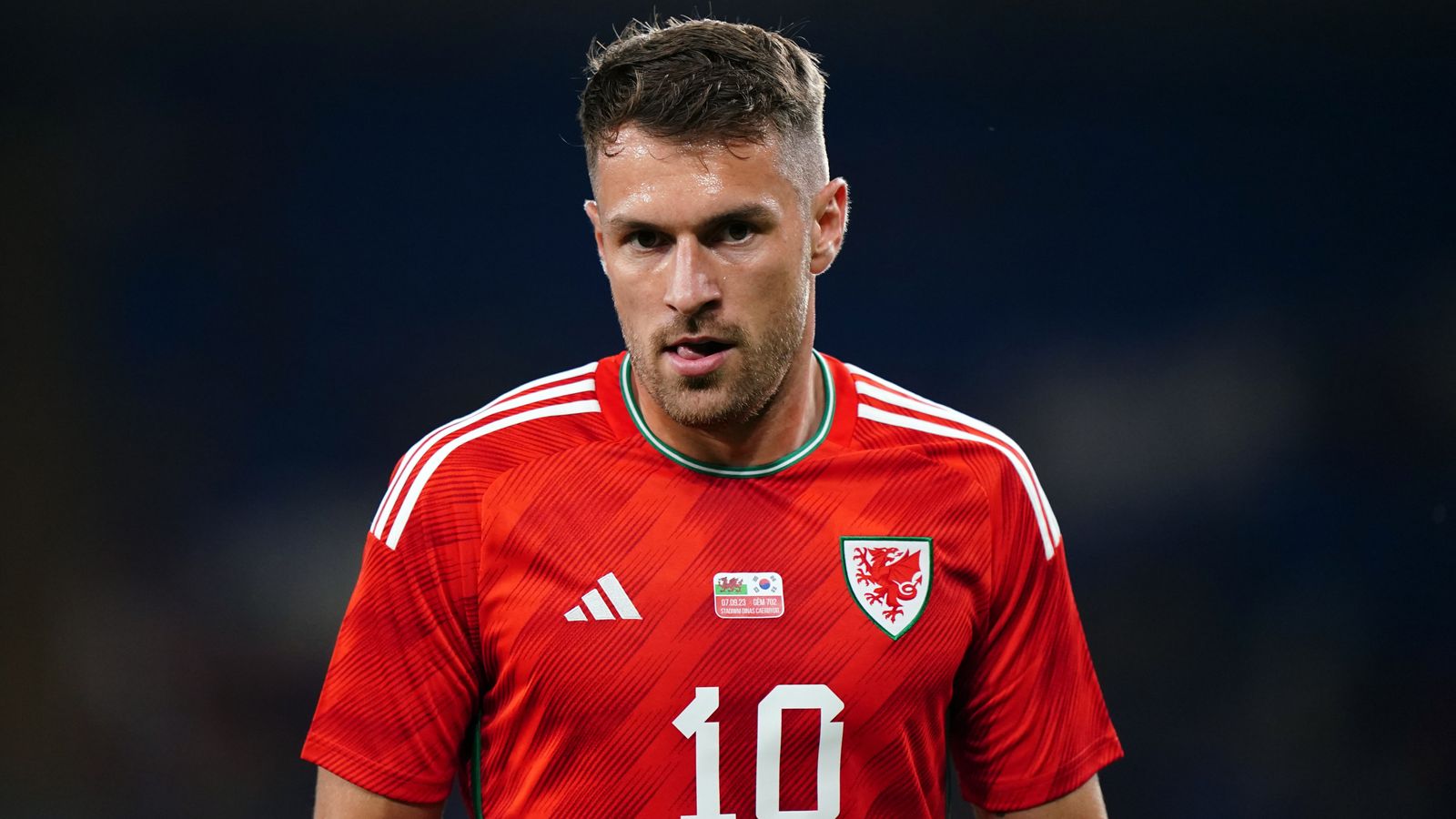
Wales is now in a state of tactical crisis. Bellamy’s system relies on a high-pressing transition game, and Ramsey was meant to be the veteran stabilizer. Without him, the burden shifts entirely to Harry Wilson and Jordan James. It is a younger, faster midfield, but it lacks the cynical game-management that Ramsey perfected over 84 caps for his country.
There is no like-for-like replacement for a player who can see a pass three seconds before it opens up. Wales fans will remember his goals against Belgium and his leadership in 2016, but the 2026 campaign now feels significantly more vulnerable. The psychological impact of losing a captain this close to a tournament cannot be overstated. It creates a vacuum of authority in a dressing room that is already transitioning away from the Bale era.
Cardiff City also faces a bleak reality. They brought Ramsey home for a fairy-tale ending, but the footballing return was meager. He made fewer than 25 starts across his final seasons. His presence was a massive boost for shirt sales and local pride, but on the pitch, the Bluebirds often looked disjointed trying to accommodate a player who could no longer track back effectively.
The Critical Verdict on a Fractured Legacy
We need to be honest about the final chapters of this story. Ramsey’s refusal to retire earlier arguably hindered the development of his successors at both club and international level. By occupying a spot in the squad while only being fit for 30% of the minutes, he forced managers into a holding pattern. They were always waiting for a fitness level that was never coming back.
His career is a masterclass in what-ifs. If not for that afternoon in Stoke, Ramsey might have been the undisputed best midfielder in Premier League history. He had the late runs of Frank Lampard and the vision of Cesc Fabregas. But the medical reality is that he spent over 1,200 days of his career officially sidelined with injury. That is nearly three and a half years of a professional life spent on a treatment table.
At his peak, Aaron was the best goal-scoring midfielder in Europe. The tragedy isn't that he wasn't good enough, it's that his body was a cage that wouldn't let his talent out for long enough.
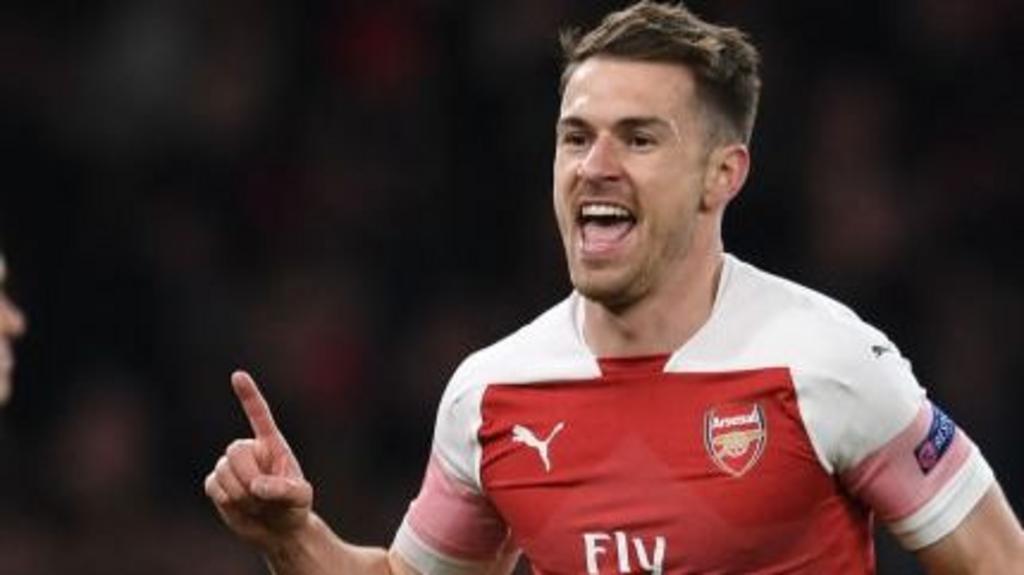
The immediate retirement suggests that a medical scan this week showed something irreversible. Whether it’s a chronic tendon issue or the total depletion of cartilage in his joints, the decision to quit now, so close to a World Cup, speaks of a man who knows he can't even fake it anymore. He leaves the game having won three FA Cups and having scored in two of the finals, a feat that cements his Arsenal legend status regardless of the fitness struggles that followed.
Football moves on quickly. By tonight, Wales will have a new captaincy shortlist. By next week, Cardiff will be looking for a new creative spark. But the sport loses one of its most elegant, if brittle, protagonists. Ramsey was a reminder that even at the highest level, the most important ability is availability. He had everything else in abundance.
His legacy will be debated—was he a great player, or just a player who had great moments? The answer lies in the 400 games he managed to play despite a body that tried to stop him at nineteen. He outran the surgeons for sixteen years. Today, they finally caught up.
Read Next
- Arsenal face defensive nightmare ahead of Sporting UCL clash
- England fans are hitting the wall over 2026 World Cup travel costs
- Alvalade awaits: Gyökeres returns as Arsenal face brutal UCL test
- We are 65 days from the World Cup and everything is falling apart
- 🏆 World Cup 2026 — Full Coverage Hub
- 🏴 Wales at the 2026 World Cup — Full Coverage Hub