The end of a Premier League legend
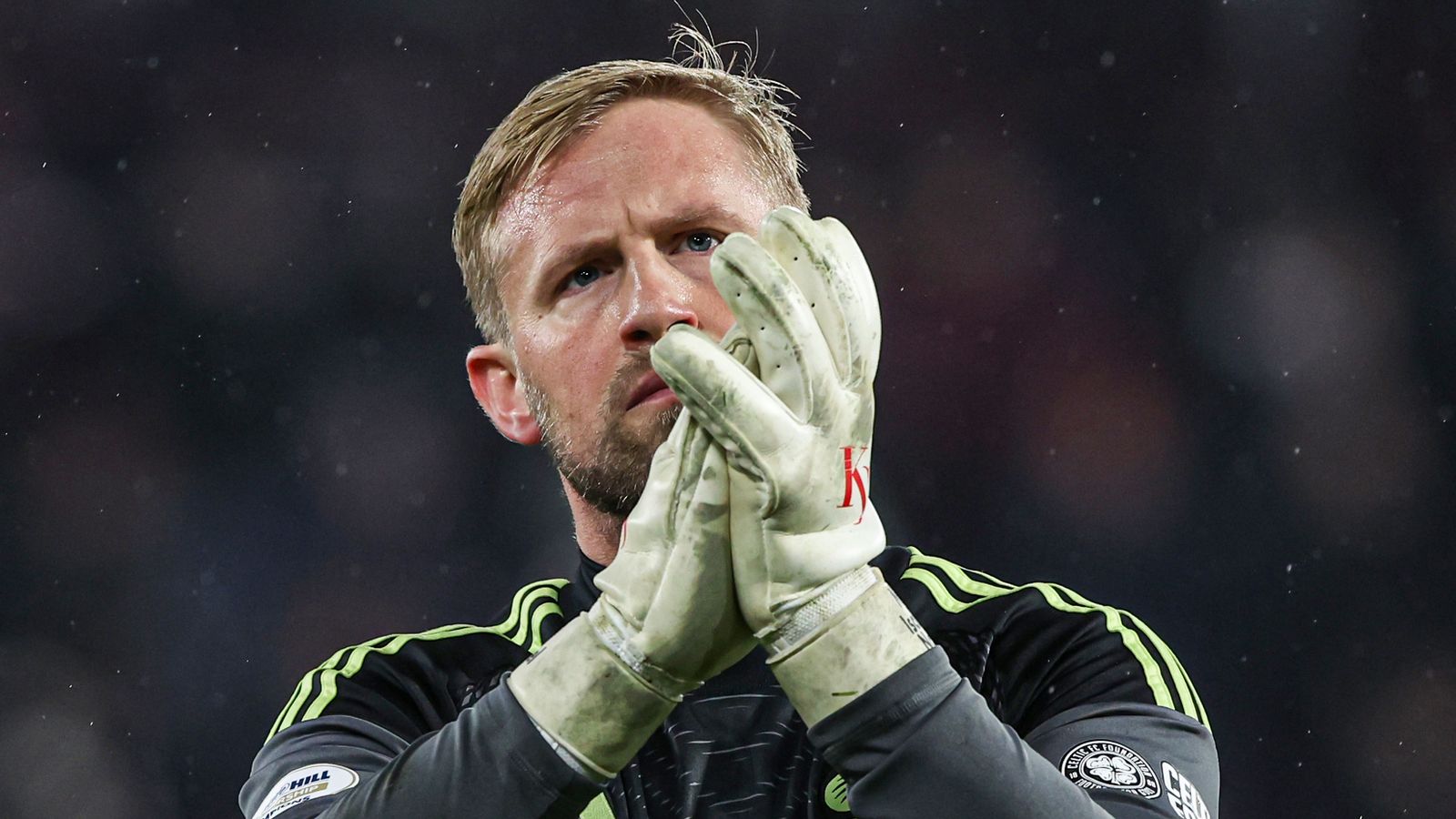
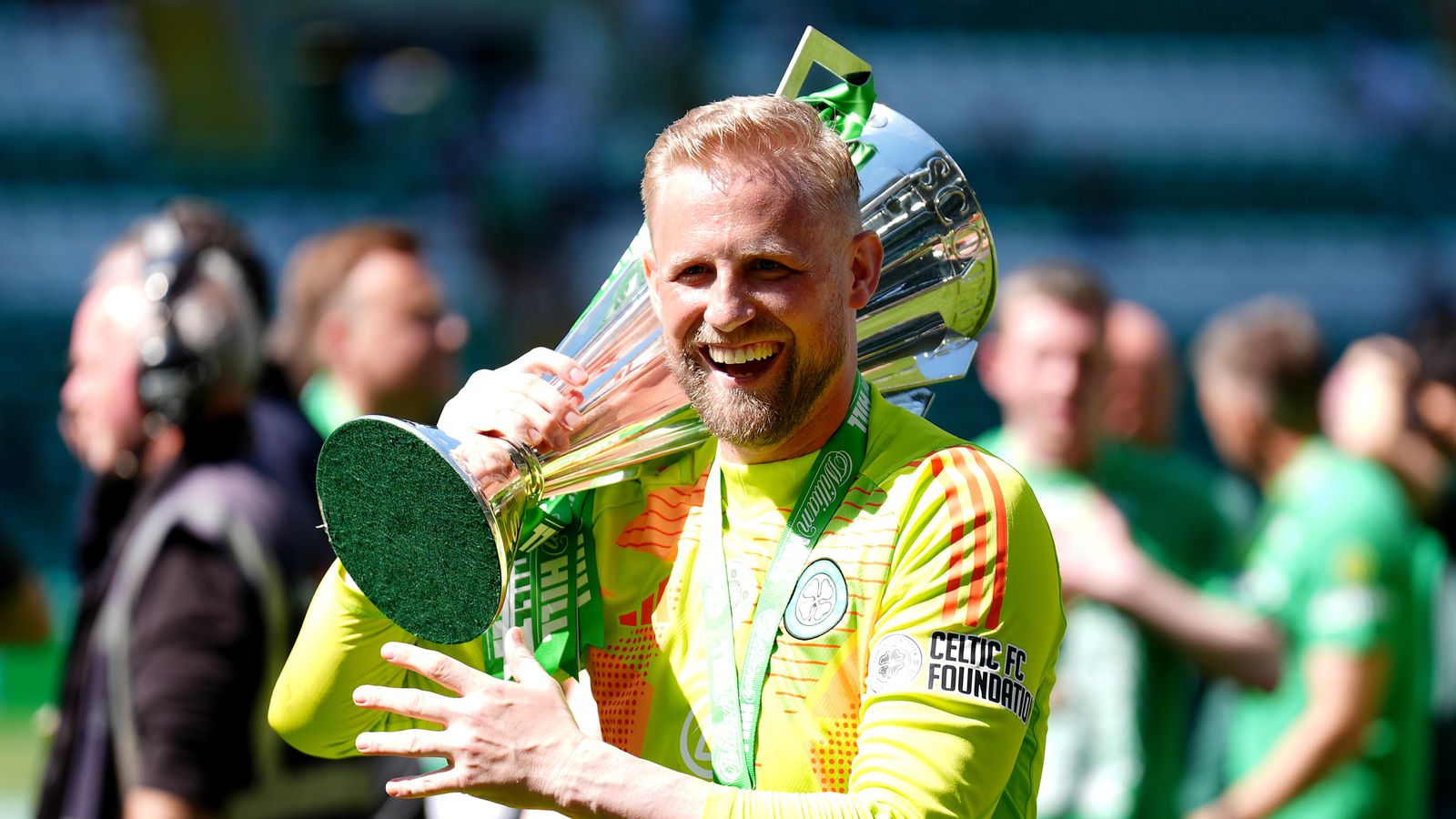
Kasper Schmeichel has officially announced his retirement from professional football at age 39. The decision comes after a sustained struggle with a severe shoulder injury that derailed his final stint at Celtic.
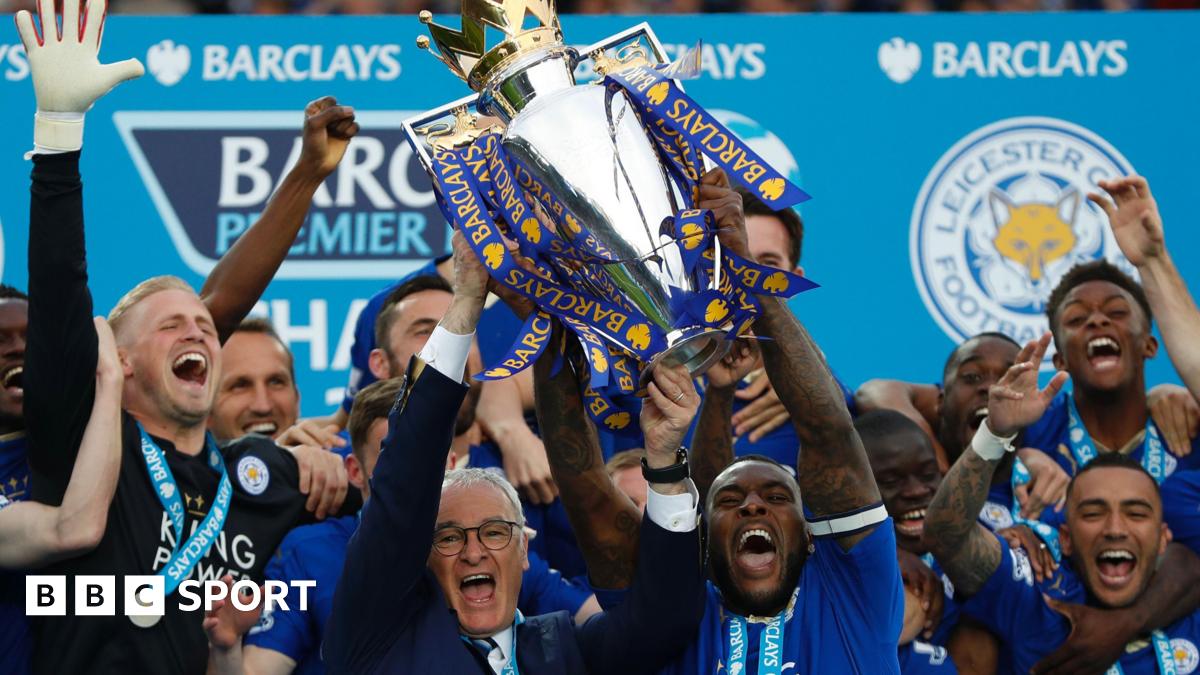
Medical staff determined that his recovery trajectory reached a terminal point, leaving the veteran without a viable path back to elite competition. He exits the game with a resume that includes the improbable 2015-16 Premier League title win and a decade of consistency between the sticks.
The medical reality behind the decision
Shoulder ailments in goalkeepers are infamous for being career-enders once they cross the 35-year threshold. For a keeper who relied on explosive lateral movement and high-frequency reach to compensate for his size, the kinetic chain was severed.
Reports from BBC Sport confirm that the physiological damage was too extensive to support the demands of top-flight training. Recovery protocols were exhausted, resulting in a forced exit rather than a celebratory farewell tour.
Tactical impact on Celtic and Denmark
Celtic now face an immediate void in their goalkeeping depth. While Brendan Rodgers had contingencies in place, losing a professional of Schmeichel's stature weeks before the European window is a blow to the squad's organizational floor.
This vacancy will necessitate an aggressive search for a replacement who can command a backline under high pressure. The timing is particularly poor, given the proximity to the upcoming World Cup cycle, where his presence was expected to offer leadership for a changing Danish defensive unit.
Historical context and broader consequences
Schmeichel joins a long list of keepers whose longevity was cut short by upper-body trauma. The high-repetition nature of diving drills puts immense torque on the labrum and rotator cuff, areas that do not heal with the same speed as cartilage in the lower body.
His retirement signals a shift in the market. Teams are increasingly wary of signing keepers near 40 to starter contracts, as the margin for error on recovery duration has dropped to zero.
This exit also raises questions about Celtic’s transfer planning during the last window. Having secured a veteran on a short-term deal, they now find themselves without the primary security blanket they banked on for 2026. The reliance on aging veterans remains a high-risk strategy that rarely pays off when physical deterioration hits this quickly.
While his legacy at Leicester remains secure, his inability to finish the season at Glasgow leaves a lingering note of incompletion. It is a harsh exit for a player who played 249 Premier League games and secured 73 clean sheets in that division alone. He departs effective immediately, with no chance of a return to the pitch for the 2026-27 campaign.