The Allegri collision course
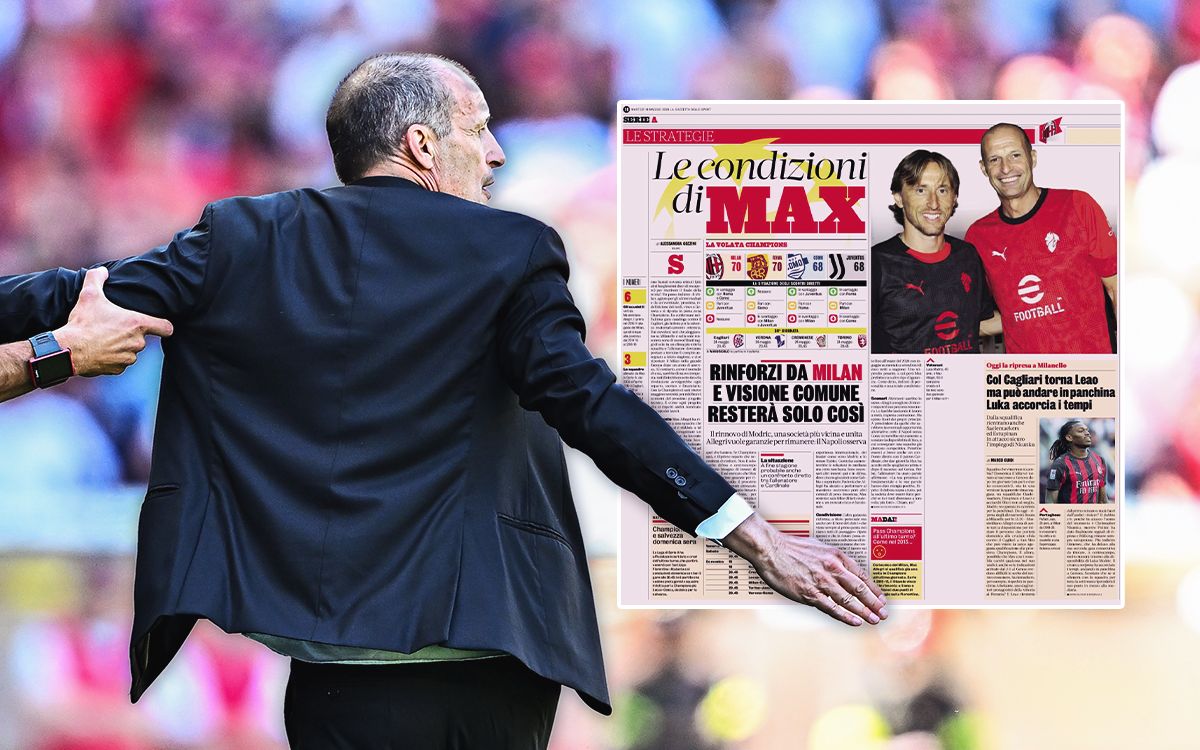
Max Allegri is a manager who operates on the logic of certainties, yet AC Milan currently offers only variables. After securing Champions League football, the baseline expectation was stability. Instead, as La Gazzetta dello Sport reported, Allegri is demanding a specific set of 'guarantees' to remain at the helm. These are not just vague promises of ambition; they are financial and structural requirements that clash directly with RedBird’s sustainability model.
The central tension lies in the efficiency of the current project. Milan’s squad is currently operating at a wage-to-revenue ratio of approximately 55%, a healthy figure by UEFA standards but one that leaves little room for the veteran-heavy overhaul Allegri reportedly prefers. Allegri’s philosophy has always leaned toward the 'ready-made' player—the 28-year-old with 200 Serie A appearances—rather than the high-upside, high-variance youth recruitment favored by Geoffrey Moncada and Giorgio Furlani.
The cost of these guarantees is staggering. To satisfy Allegri’s demands for a competitive midfield and defensive depth, Milan would likely need to commit to a net spend exceeding €90 million this summer. For a club that relies on the roughly €50 million in annual Champions League revenue to balance the books, this creates a structural deficit that the current ownership is historically unwilling to bridge.
The renewal front and the Leao dilemma
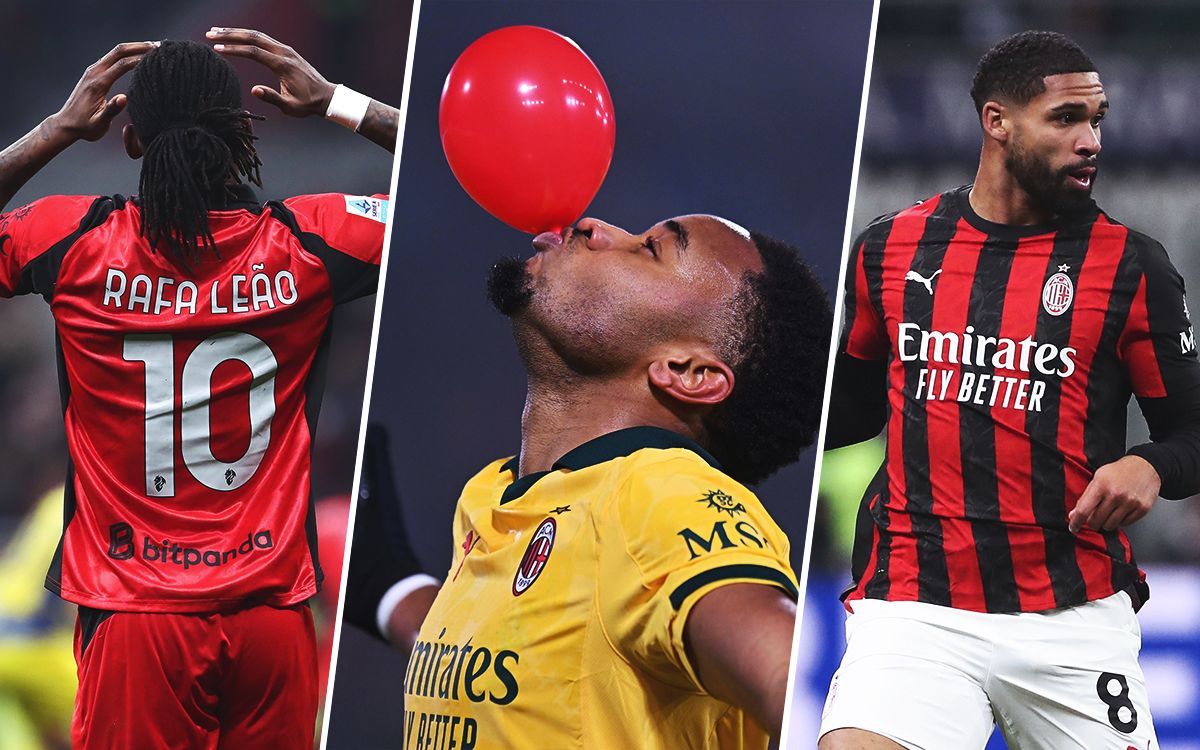
Nowhere is the tension between potential and performance more obvious than on the renewal front. Rafael Leao remains the centerpiece of the project, but his output relative to his salary remains a point of statistical contention. In the 2025-26 season, Leao’s progressive carries per 90 minutes ranked in the top 1% of Europe, yet his actual conversion rate on 'big chances' hovered at a disappointing 22%.
As reported by GdS, the club is juggling renewals for Leao, Ruben Loftus-Cheek, and the aging Luka Modric. The Modric situation is a statistical anomaly that defies modern recruitment logic. At 40 years old, Modric would be the oldest outfield player in the club’s recent history. While his pass completion under pressure remains elite at 89%, his ability to cover ground has cratered, with his average distance covered per match dropping below 8.5 kilometers.
Retaining Modric is a sentimental move in a sport that is increasingly defined by physical output. If Milan commits to a two-year extension for a player entering his fifth decade, they are effectively betting against the aging curve. It is a high-risk gamble that suggests a lack of viable succession planning in the scouting department. Loftus-Cheek, meanwhile, has struggled with availability, featuring in only 64% of Milan’s total minutes this season due to recurring muscular issues. Renewing a player with that kind of reliability record is a questionable use of the wage bill.
The return of the Condor
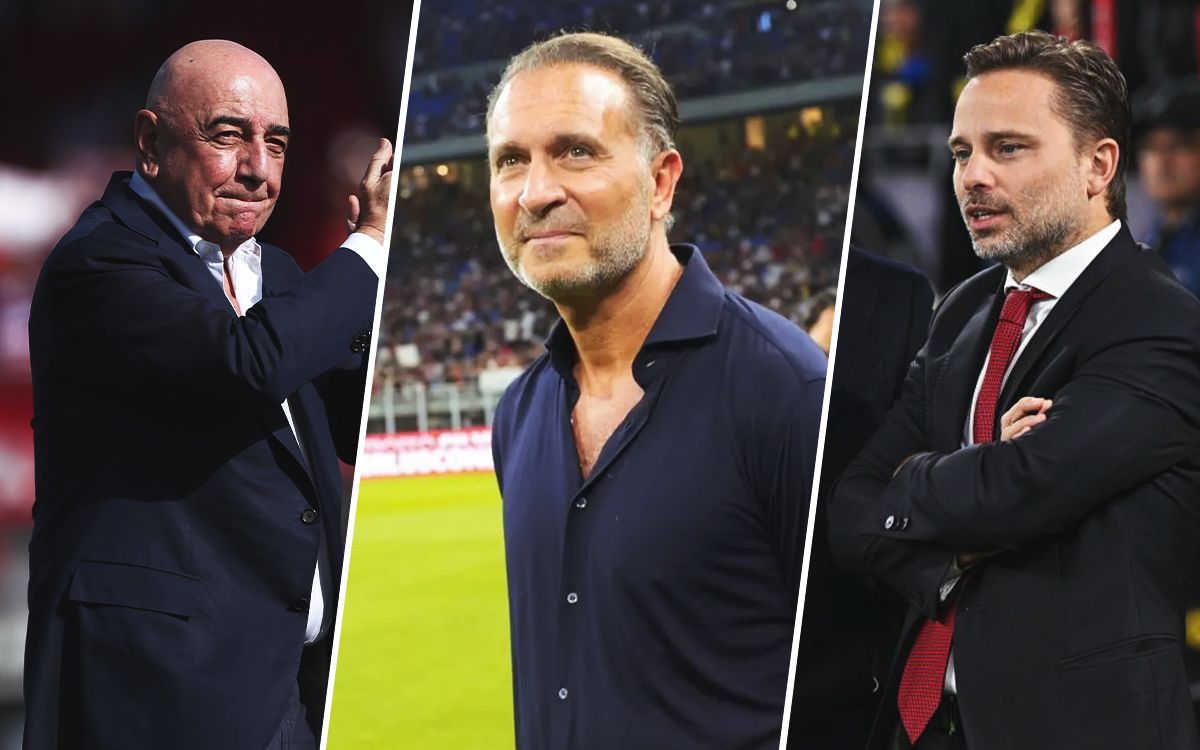
The administrative structure of Milan is also in a state of flux. The rumor of Adriano Galliani’s return, regardless of Furlani’s position, suggests a shift back toward the old guard. Galliani, the architect of Milan’s golden eras, represents a bridge to the past. But nostalgia doesn't fix a broken xG differential. Milan finished the season with a goal difference that was 12.4 goals better than their Expected Goal Difference (xGD), indicating a massive reliance on individual brilliance rather than systemic superiority.
Allegri’s 'corto muso' approach—winning by the smallest of margins—is a high-wire act. This season, Milan won 11 matches by a single goal. Statistically, this is unsustainable. A slight regression in goalkeeping performance or a dip in finishing efficiency would have seen this team drop from second place to sixth. Allegri knows this, which is why he is asking for reinforcements. He realizes that his current tactical setup has hit its ceiling.
The cost of staying still
If Allegri leaves, it won't be because of a lack of results on the pitch. It will be because of the 'lack of guarantees' regarding the summer budget. The data suggests that even with Champions League qualification, the club's financial headroom is restricted. The amortized cost of the current squad is already high, and adding more high-wage veterans would push the club toward a break-even risk.
The paradox of Milan is that they are too successful to blow it up, but too financially constrained to truly compete with the European elite.
The critical failure here is the inability to find a middle ground. Allegri wants a finished product; the board wants a growth asset. The result is a team that feels stuck in transition. Last year, the average age of Milan’s starting XI was 26.2. If they follow Allegri’s lead and bring in more experienced players while retaining a 40-year-old Modric, that average will climb toward 28. This moves the club further away from the resale-value model that RedBird explicitly champion.
A regression is coming
There is a harsh reality buried in the numbers: Milan are overperforming their underlying metrics. Their defensive line allowed 1.45 non-penalty xG per match, the highest among the top four teams in Serie A. They were bailed out repeatedly by Mike Maignan’s shot-stopping and individual moments from Leao. This is not a sustainable way to build a title contender.
Allegri is right to be worried. He sees the defensive fragility and the lack of control in the middle of the pitch. However, his solution—more expensive veterans—might be the wrong one. Milan needs a systemic overhaul, not just a talent injection. If the club refuses to grant him the guarantees he seeks, it might be the best thing for both parties. Allegri preserves his reputation, and Milan is forced to finally commit to a modern, data-driven identity rather than this awkward hybrid of philosophies.
The next few weeks will determine the club's trajectory for the next three years. If they choose continuity under Allegri without the funds to support it, expect a regression. The numbers don't lie, even if the league table currently does. A win rate of 58% looks good on paper, but when it's built on the back of late winners and individual heroics, the foundation is made of sand. Milan's leadership needs to decide if they want to build a house or just keep patching the roof.