The Source and the Standoff
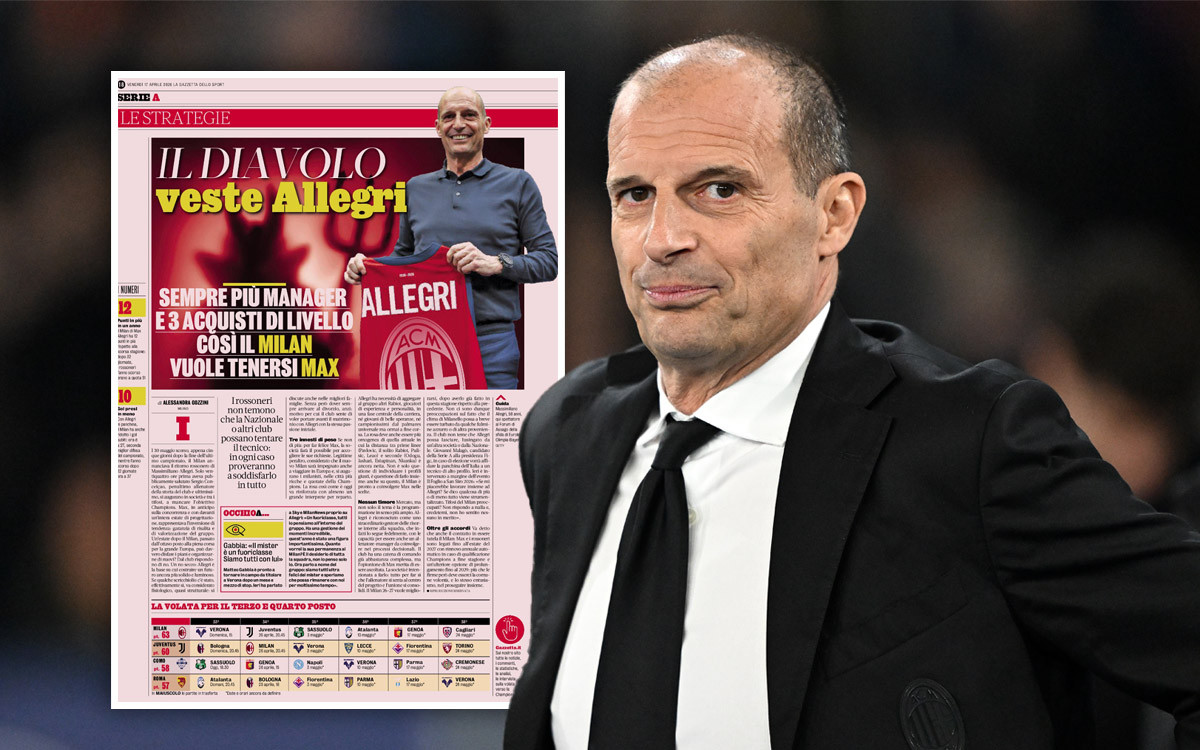
The latest chapter in Massimiliano Allegri’s second act at AC Milan comes via Italy’s Gazzetta dello Sport, a source firmly in the Tier 2 reliability bracket. While not infallible, GdS is often well-briefed on the internal politics of Serie A’s giants. The story here isn’t a simple transfer rumour; it’s a report of a high-stakes standoff between a top-tier manager and the club he steered back to relevance.
The core of the issue is not whether Milan want to keep Allegri. It’s about the price of that loyalty. With the season winding down, Allegri has reportedly presented the board with a set of non-negotiable conditions to remain at the helm. This isn’t about a simple contract extension; it’s a demand for power and a clear, ambitious vision from the ownership. Failure to provide what he calls ‘guarantees’ could see him walk away, even with a Champions League spot secured.
The Conditions: A Manager, Not Just a Coach
According to the reports, Allegri’s demands are twofold: absolute authority over the technical area and complete clarity on the club’s financial and structural future. He no longer wants to be just a coach, executing a strategy decided by others. He wants to be the architect. This means a decisive say in all incoming and outgoing transfers, shaping the squad to his specific tactical blueprint.
This power play is directly linked to the current squad's future. The club is navigating a complex period of contract negotiations, and Allegri wants to be in the driver's seat. The futures of key assets are in question, and as one report notes, the situation around players like Rafael Leão and Ruben Loftus-Cheek is central to the club's immediate plans. Allegri wants to know if he is building around these pillars or selling them to fund a rebuild. He is demanding the final word on those decisions.
Adding another layer of intrigue is the persistent rumour, also reported by GdS, that former CEO Adriano Galliani might return to the club in some capacity. Whether this is a move Allegri supports or a complication he wants resolved is unclear. What is clear is that the manager is demanding an end to ambiguity. He wants to know who is in charge, what the budget is, and whether the club shares his ambition to compete for the Scudetto and in Europe, not just participate.
The Tactical Question: Is Pragmatism Enough?
Allegri's Style vs. Modern Milan
Allegri is the quintessential Italian pragmatist. His teams are built on defensive solidity, tactical discipline, and an uncanny ability to grind out results. He is not a high-priest of possession-based football or a devotee of the high press. He is a winner, and his trophy cabinet speaks for itself. But this raises the critical question: is his 'risultatista' approach the right fit for a Milan squad brimming with attacking talent?
Players like Rafael Leão thrive in transition and chaos, yet Allegri’s system often prioritizes structure and control. This is the central conflict. While he has brought stability and a return to the Champions League, there is a lingering sense that the team's ceiling is capped by his cautious approach. In an era dominated by the high-intensity football of the Premier League and coaches like Klopp and Guardiola, Allegri’s methods can feel like a throwback. This is the primary criticism leveled against him: that his football, while effective to a point, isn't enough to elevate Milan into the top 5 European clubs.
Building His Kind of Team
His transfer market demands are a direct reflection of his philosophy. Allegri is known to favour experienced, tactically intelligent players who can execute his game plans with minimal fuss. He wants guarantees in the market so he can sign players who fit his mould—veterans who understand game management over raw, unproven talents. The rumoured, albeit speculative, interest in a player like Luka Modrić fits this pattern perfectly. It signals a desire for proven quality and control in midfield, the engine room of any Allegri side. His ultimatum is a push to build a team in his own image: pragmatic, resilient, and built to win, even if it’s not always pretty.
Probability and Timeline
Probability: 50/50. This is a genuine power struggle with no clear winner. It's highly unlikely the board will grant Allegri the kind of Ferguson-esque control he seems to covet. Modern football club ownership, especially under American-led investment groups, favours a distributed model with a director of football and a coach working in tandem. Ceding total control to one man is a massive risk.
The most probable outcome is a compromise, but whether that will be enough for Allegri remains to be seen. If he feels his authority is being undermined from the start, he has shown he is willing to walk. The chances of him staying under the current structure are low; the chances of the structure changing entirely for him are also low. This puts the situation on a knife's edge.
Timeline: Late May 2026. A decision must be made the moment the season concludes. Milan cannot afford to enter the crucial summer transfer window, which opens in just a few weeks, with this level of uncertainty hanging over the club. Expect a final meeting between Allegri and the board in the last week of May, with a public announcement shortly thereafter. The future of the club's summer depends on it.
The Verdict: A Crossroads for the Rossoneri
This is more than a simple coaching decision; it’s a defining moment for this era of AC Milan. Backing Allegri with the power and budget he demands would be a monumental commitment to his vision. It would signal a return to the 'manager-king' model, empowering a proven winner to build the club in his image. The potential reward is a team that can immediately challenge for the title. The risk is a style of football that may feel dated and a concentration of power that could backfire if results turn sour.
Refusing his demands means seeking a new path. It likely means hiring a younger, more system-oriented coach who will work within the existing structure. This could unlock the team’s attacking potential but would also bring the instability of a managerial change. For Milan, the choice is stark: double down on the man who brought them back to the top table, or pivot to a new philosophy entirely. The decision they make will define their trajectory for the next three to five years.