The myth of the springtime foundation
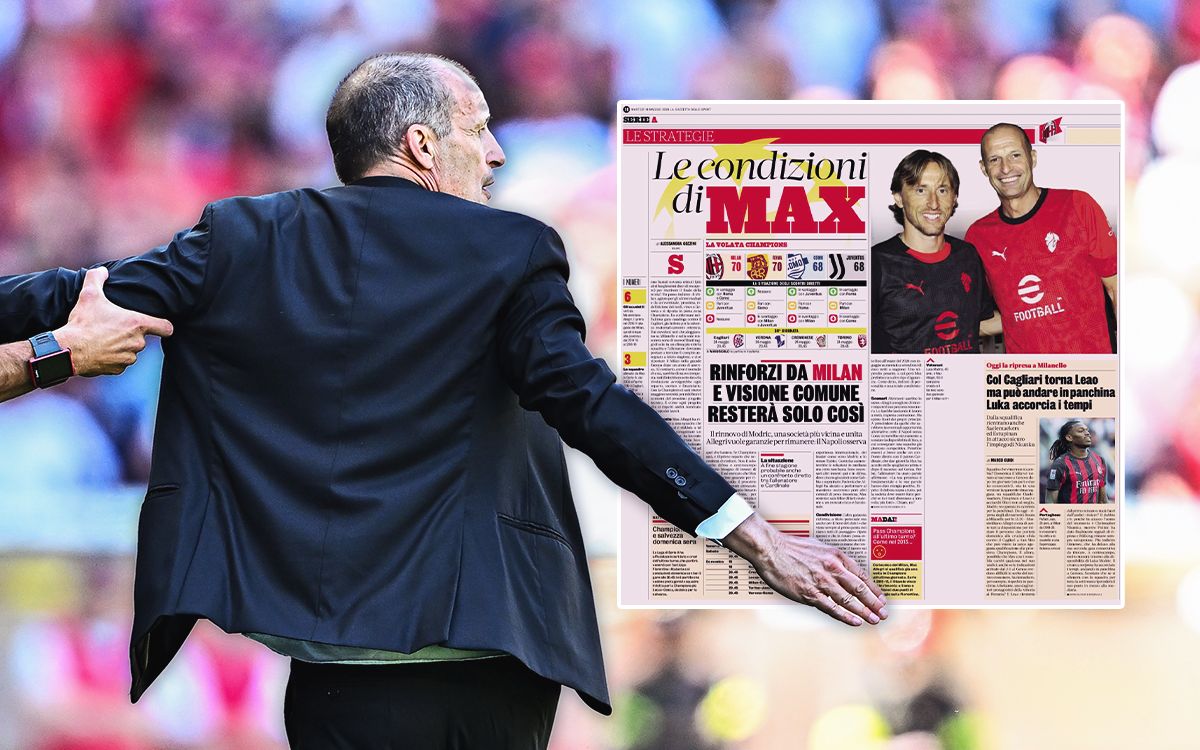
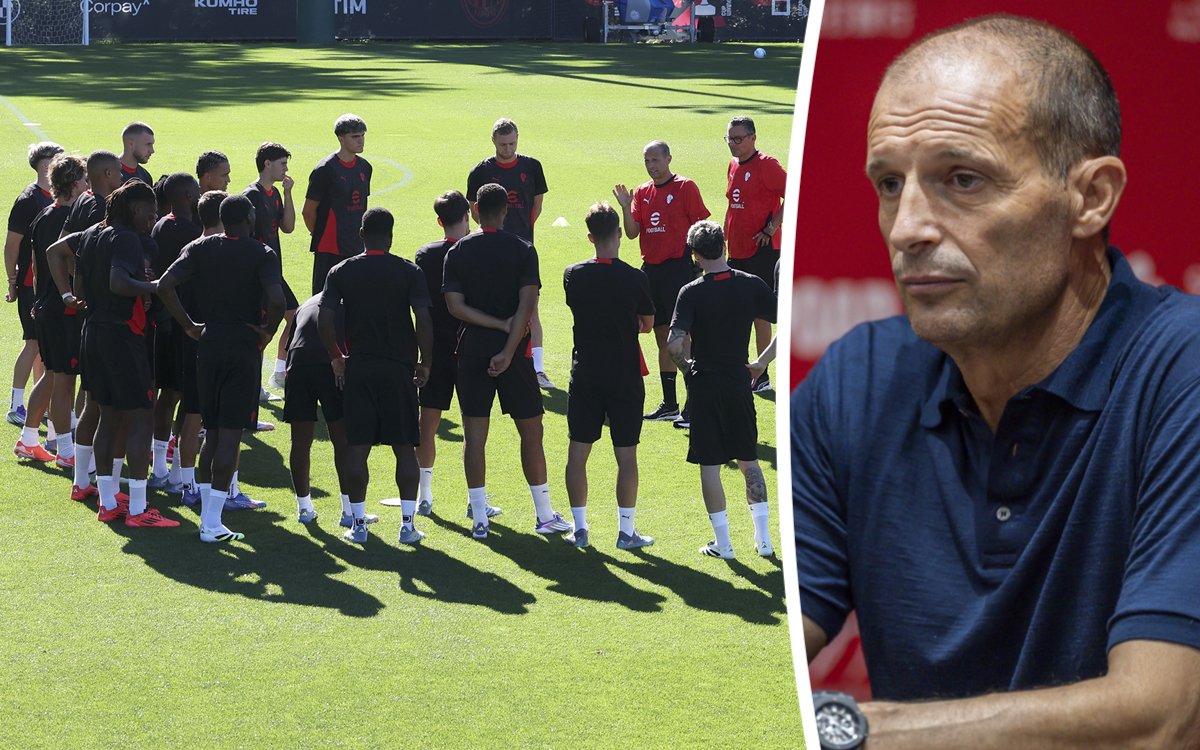
Max Allegri is out of ideas, and the calendar offers absolutely zero sympathy. We are sitting in the second week of April. The heavy, decisive fixtures of the Serie A run-in are looming. The margin for error has completely vanished. And yet, AC Milan are treating this crucial weekend like a meaningless preseason laboratory.
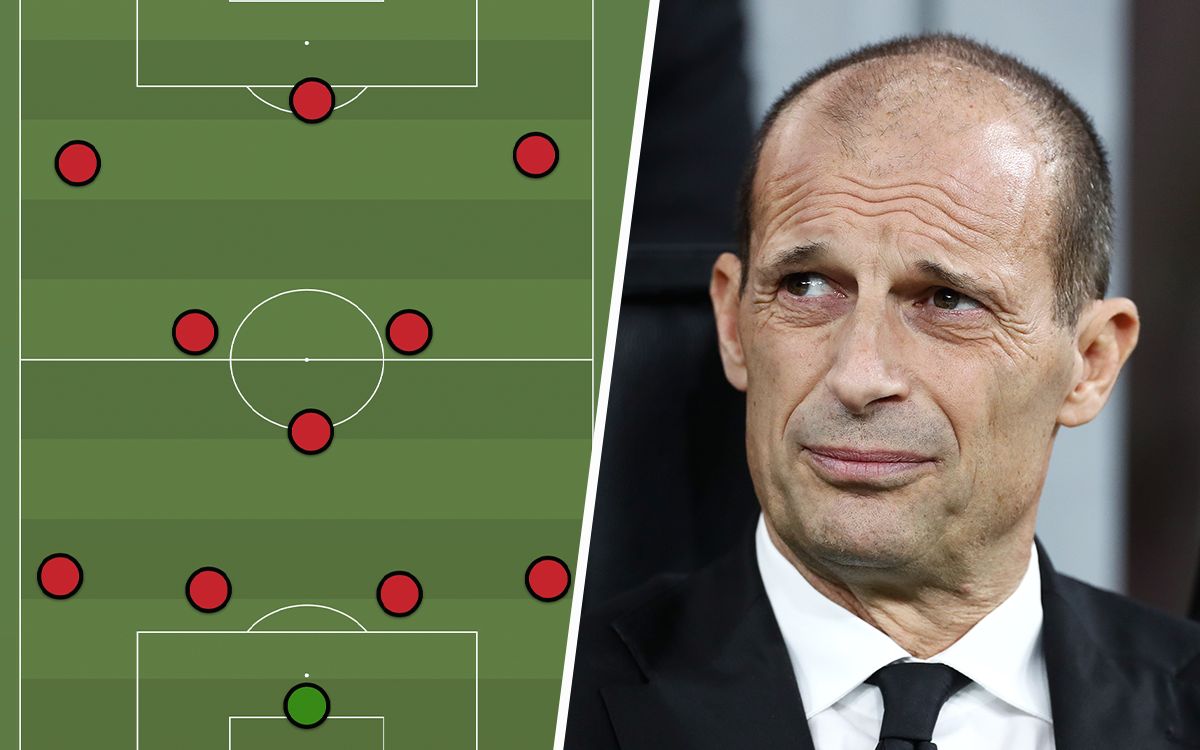
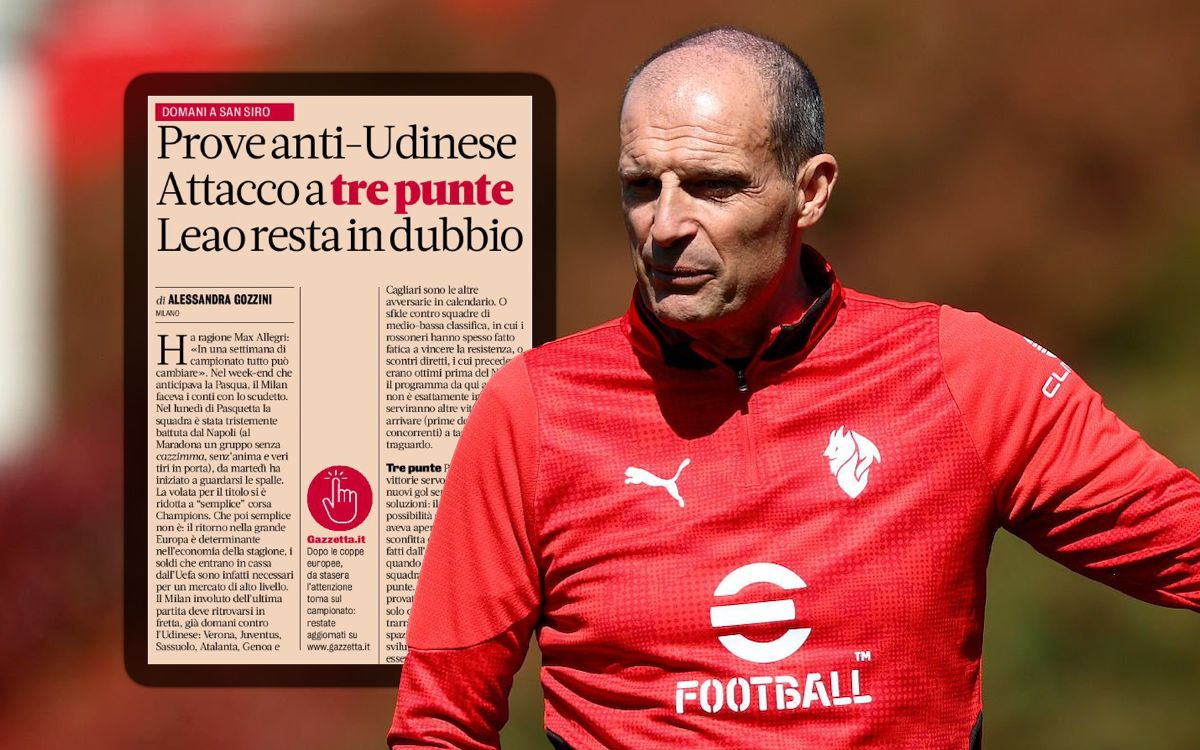
The latest leaks from Milanello suggest a massive tactical pivot is imminent. According to MilanNews, Allegri is finally changing to a 4-3-3 for the clash against Udinese. This is not a proactive masterstroke. This is the desperate flailing of a manager who realizes his primary system has flatlined.
For eight months, Milan fans have endured a rigid, grinding style of football. Allegri prioritized a passive block over attacking fluidity. He stubbornly deployed pragmatic shapes that isolated the forwards and relied on individual brilliance. Now, suddenly, the handbrake is supposedly coming off.
Local reports are trying to spin this positively. Some claim this shift will lay the foundations for the squad's future. That phrasing is frankly insulting to anyone who watches the sport closely. You do not lay a tactical foundation in the spring.
By April, your structural identity must be locked in concrete. Changing your entire midfield geometry at week 32 is a glaring admission of failure. It proves the summer planning was fundamentally flawed. It proves the winter training sessions yielded zero attacking progress.
Tactical reality vs whiteboard theory
What does this formation actually demand? A 4-3-3 is not a magic wand that instantly creates beautiful, flowing football. It is a highly demanding shape. It requires supreme spatial intelligence, particularly from the single midfield pivot.
In Allegri's traditional setups, the midfield double pivot provides a built-in safety net. If one midfielder gets dragged out of position, the other drops to protect the center backs. In a 4-3-3, that safety net evaporates entirely. The defensive midfielder is stranded on an island. If he steps to the wrong trigger, the opponent slices straight through the center of the pitch.
Allegri famously hates this dynamic. He despises leaving his center backs exposed in transition. His entire managerial philosophy is built on extreme risk mitigation. So why abandon those principles now?
The underlying attacking metrics simply left him no choice. Milan's build-up play has devolved into slow, predictable U-shapes. They pass from the left back, to the center backs, to the right back, entirely bypassing the center of the pitch. The 4-3-3 is supposed to fix this stagnation. By pushing two advanced midfielders into the half-spaces, Milan theoretically creates passing triangles out wide.
But tactics require actual coaching. You cannot just draw a new shape on a whiteboard and expect the players to instantly execute complex automated rotations. Milan desperately lacks those drilled passing circuits.
When the ball goes wide, they rely almost entirely on a winger beating two men off the dribble. If that winger loses the duel, the attack dies instantly. The ball is recycled backward, the opposition resets, and the crowd groans. We have watched this exact sequence unfold a hundred times since August.
Runjaic's trap is waiting
Kosta Runjaic sees right through the noise. The Udinese manager was asked about Milan's tactical overhaul this week. His response was beautifully dismissive. He bluntly stated that it doesn't matter what formation Allegri fields.
When pressed by reporters on the tactical shift, Runjaic offered a brutal, three-word assessment:
"It doesn’t matter."
Runjaic is entirely correct. Formations are just telephone numbers for pundits to obsess over. The actual game is dictated by pressing triggers, spacing, and physical intensity. Udinese possess the exact profile required to make Milan's afternoon utterly miserable.
Under Runjaic, Udinese do not bother pressing high up the pitch. They drop into a compact, narrow 5-3-2 mid-block. They choke off the central channels and actively invite the opposition to pass the ball into wide, harmless areas. This is a deliberate trap.
The moment the ball travels to a Milan fullback, Udinese's corresponding wingback jumps. The three central midfielders shift aggressively across the pitch. The space completely evaporates in seconds. Milan switching to a 4-3-3 means they are actively trying to attack those central half-spaces. That plays directly into the teeth of Udinese's defensive density.
The pressing dilemma
When Milan operated in a 4-2-3-1, the number ten acted as the tip of the spear in the press alongside the striker. They effectively cut off the passing lanes to the opposing defensive midfielders. When you shift to a 4-3-3, your striker often presses entirely alone. The wingers are forced to make an impossible choice: tuck inside to help the striker, or stay wide to mark the opposition fullbacks.
If the wingers tuck inside, the fullbacks receive the ball in acres of space. This creates an immediate dilemma for the single pivot. Does he jump out of the line to press the wide area? If he does, he vacates the most dangerous zone on the pitch. Runjaic knows this structural flaw exists.
His 5-3-2 is designed specifically to exploit this exact dilemma. Udinese’s three central midfielders will sit deep, forcing Milan’s advanced eights to push up and mark them. This empties the midfield entirely. When Udinese win the ball back, their wingbacks will bomb forward into the massive spaces vacated by Milan’s disjointed pressing structure.
If Milan push their fullbacks high to support this new 4-3-3, they will leave gaping holes in the transition channels. Udinese excel in these exact transition moments. They are built to absorb pressure, win the loose ball, and immediately launch vertical counter-attacks.
Imagine the spacing during a sustained Milan attack. The left winger cuts inside. The left back overlaps heavily. The left-sided central midfielder pushes straight into the penalty box. Suddenly, Milan has committed five bodies forward into a congested area.
Udinese intercept a sloppy, forced pass. One quick ball over the top, and Udinese's forwards are running isolated against Milan's slow, retreating center backs. This is the exact nightmare scenario Allegri fears most.
The final verdict
By bowing to the pressure of the press and abandoning his pragmatic roots, Allegri is walking right into Runjaic's tactical web. Udinese will be perfectly content to let Milan hold 65% possession. They know that sterile possession outside the defensive block is entirely harmless.
The psychological aspect of playing at San Siro in April cannot be ignored. The crowd has absolutely zero patience for sideways passing. The atmosphere turns toxic remarkably quickly when the team lacks vertical intent.
Allegri's switch to a 4-3-3 is undoubtedly a PR move aimed at the stands as much as a tactical adjustment. He wants to show the media that he is trying to play expansive, attacking football. But you cannot fake expansive football. You either have the automated passing circuits drilled into muscle memory, or you do not.
We are looking at a classic trap game. Milan are desperate for a convincing result to validate this late-season tactical gamble. If the home side does not score inside the first half-hour, the tension will bleed directly onto the pitch.
Udinese will simply bide their time. They will commit cynical fouls in the middle third to break up any rhythm Milan manages to establish. They will weaponize set pieces at every opportunity. Every corner and wide free kick will be a physical battle that Milan look ill-equipped to handle.
Expect the game to follow a grim, predictable script. The first twenty minutes will feature Milan rushing their passes, desperate to prove the new system works. Udinese will weather the initial storm with disciplined defensive shifting.
By the second half, the gaps between Milan's midfield and defense will widen. The single pivot will tire from covering too much lateral ground. Udinese will strike exactly when Milan overcommits. Do not be surprised if the visitors find their breakthrough around the 70th minute via a direct counter-attack.
Allegri is rolling the dice entirely too late in the campaign. A manager trying to completely rewire his midfield structure in April is a manager who has run out of answers. Udinese will expose this tactical fragility. The calls for a permanent change in the Milan dugout will only grow louder by full time.
Prediction: A highly frustrating afternoon for the hosts. Milan will dominate the ball but fail to penetrate the low block. Udinese will steal a goal on a direct vertical counter. Final score: Milan 1-1 Udinese.