Tactical clarity at Bournemouth
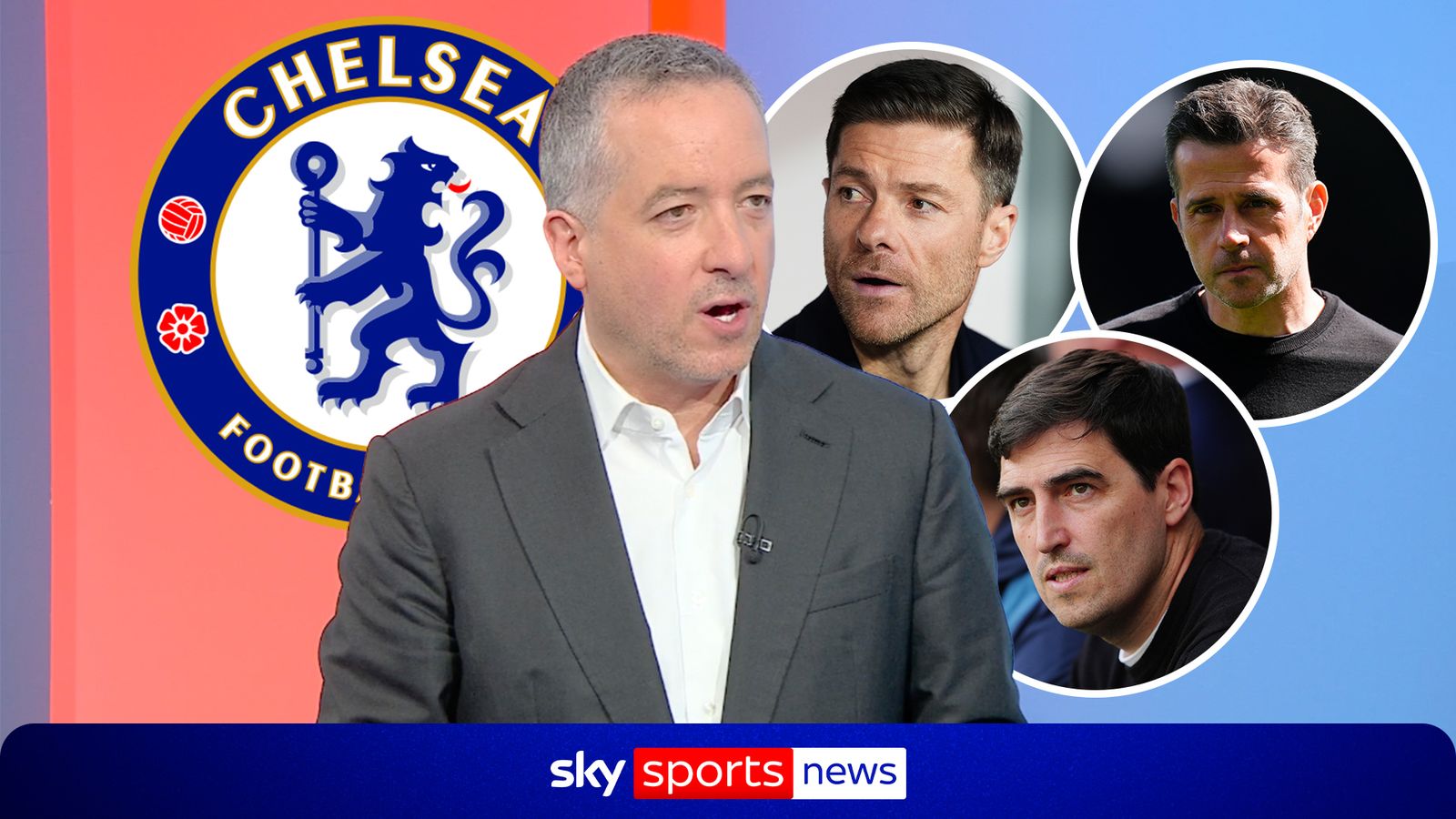
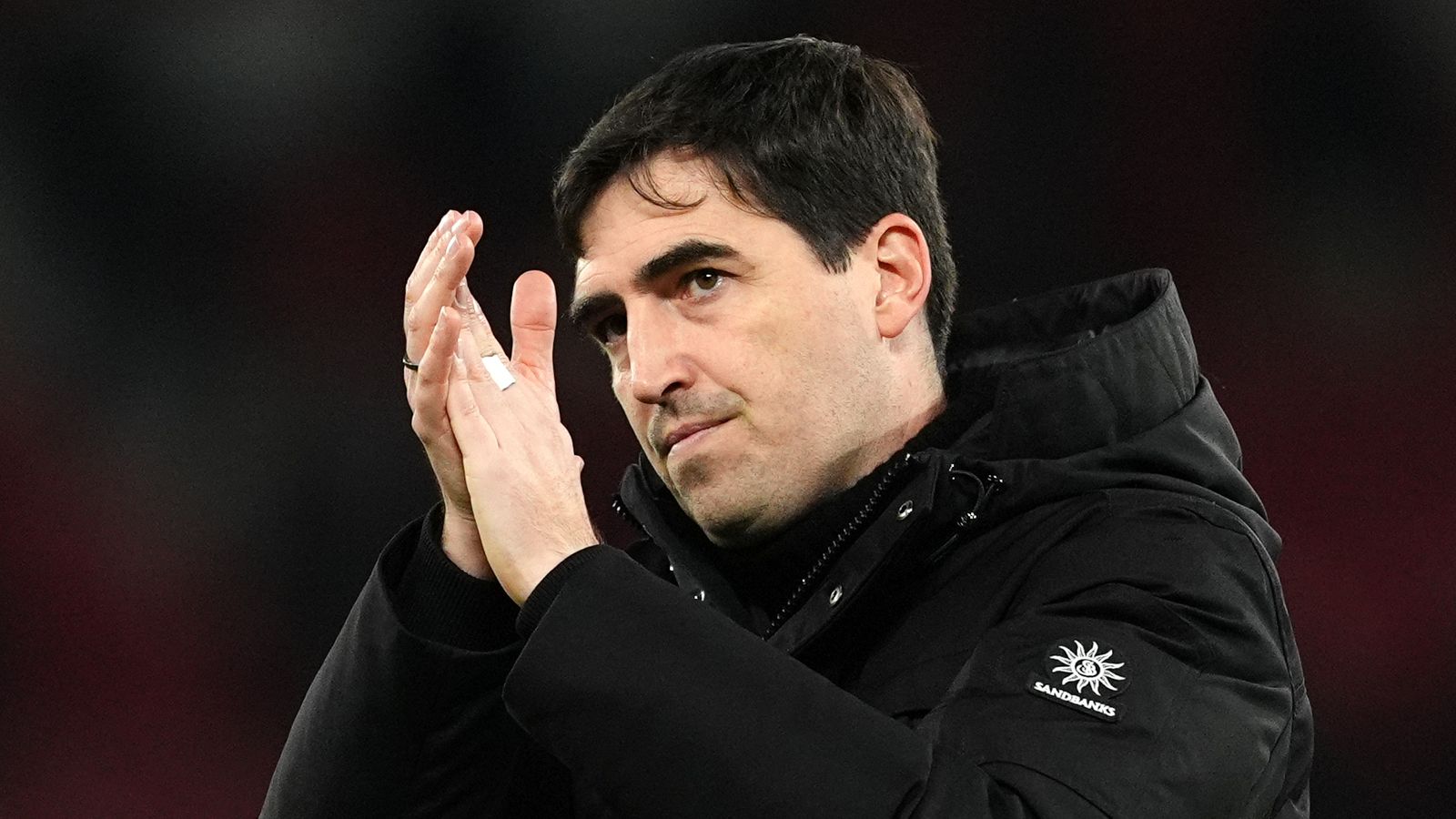
As we navigate the final weeks of the 2026 campaign, the Premier League managerial merry-go-round is spinning faster than usual. While names like Luis Enrique circulate in the gossip columns, Chelsea should stop overthinking their next appointment. The answer is staring them in the face at the Vitality Stadium. Andoni Iraola has turned Bournemouth into a side that consistently punches above its weight, maintaining defensive discipline while playing a brand of high-intensity football that actually evolves depending on the opponent.
I have spent the last few months tracking Bournemouth’s defensive transition sequences. They operate with a medium block that shifts into a suffocating high press when the ball enters the middle third. According to recent data, their ball recoveries in the final third have jumped by 14 percent compared to the 2024 season. It is not just about raw effort; it is about coordinated triggers. When a fullback steps, the nearest winger collapses the passing lane immediately. This creates a trap that forces turnovers in dangerous areas.
The Chelsea structural problem
Chelsea remains a side defined by incoherence. They possess immense individual talent yet lack the tactical automation required to dominate top-tier opposition. Watching them against mid-table sides this year, the spacing between the double pivot and the attacking line is often a yawning gap. This lack of connection allows opponents to bypass their midfield with a single vertical pass. As recent analysis suggests, the transition from middle-manager to big-club boss is fraught with risk, but Iraola’s stylistic flexibility is exactly what Stamford Bridge currently lacks.
The criticism, of course, is that Iraola has not managed a squad with the massive egos found in West London. It is a valid concern. Managing a 30-man rotation at Chelsea is a different beast than coaching at Bournemouth. However, he has proven he can imprint a clear system on a group of players who were initially skeptical of his methods. His willingness to rotate roles for players like Antoine Semenyo shows a willingness to use data-led insights to maximize output, a trait necessary for any manager hoping to handle the pressure at a club like Chelsea or Crystal Palace, who are also reportedly scouting for replacements.
The prediction for the transfer saga
We are going to see a bidding war for coaching services as soon as the season concludes on May 24. While the spotlight remains on the UCL semi-finals, the boardrooms are already active. I expect Chelsea to prioritize the Spaniard because they recognize their current recruitment model—buying elite potential—requires a coach capable of polishing that talent through consistent repetition. If they hire Enrique, they risk immediate conflict; if they hire Iraola, they buy a project.
There is a lingering fear that the club will opt for a bigger name to appease the fan base. That would be a mistake. The evidence from the 2025/26 cycle shows that managers who instill a recognizable, high-pressing structure outperform those who rely on tactical improvisation. Iraola will leave the South Coast this summer, and I predict he will move to London to take the Chelsea vacancy, signaling the end of the club's experiment with high-profile, short-term solutions. Chelsea’s hierarchy is ready to bet on a modern coach, and despite the chatter about other options, Iraola is the only one who fits their required profile for 2026.