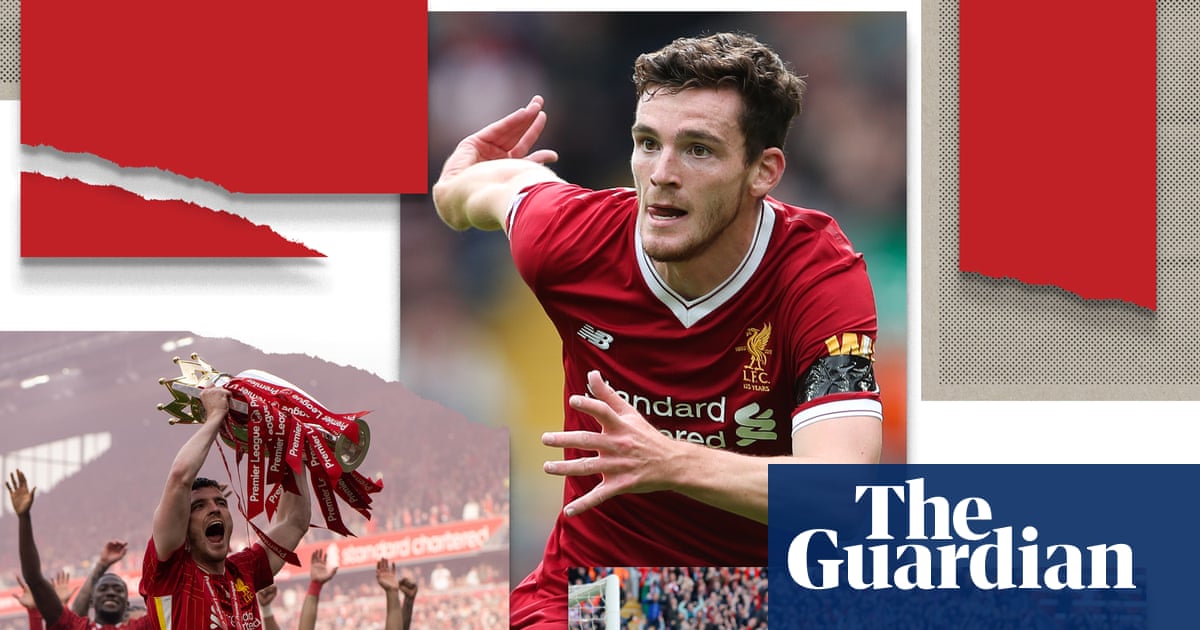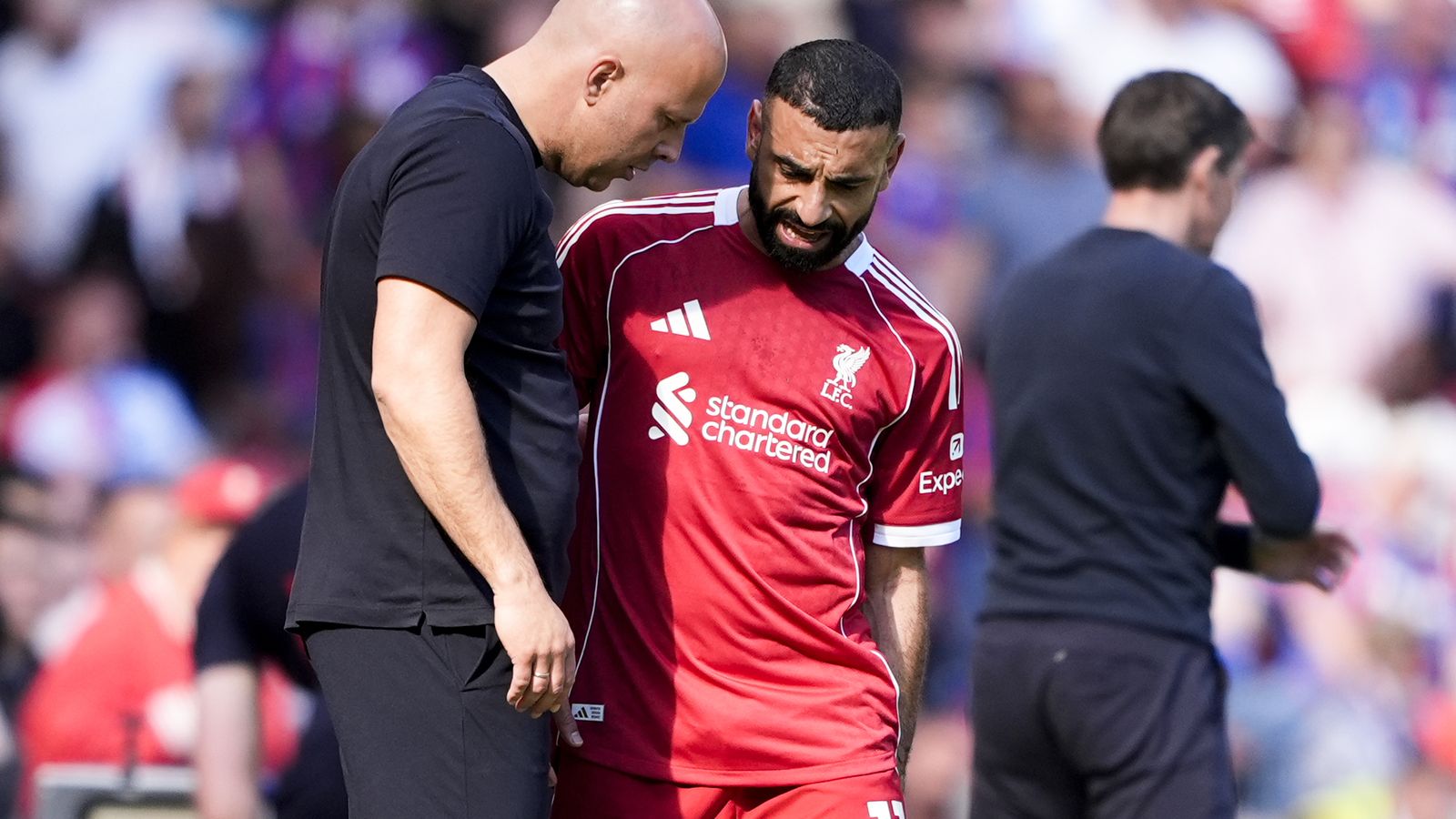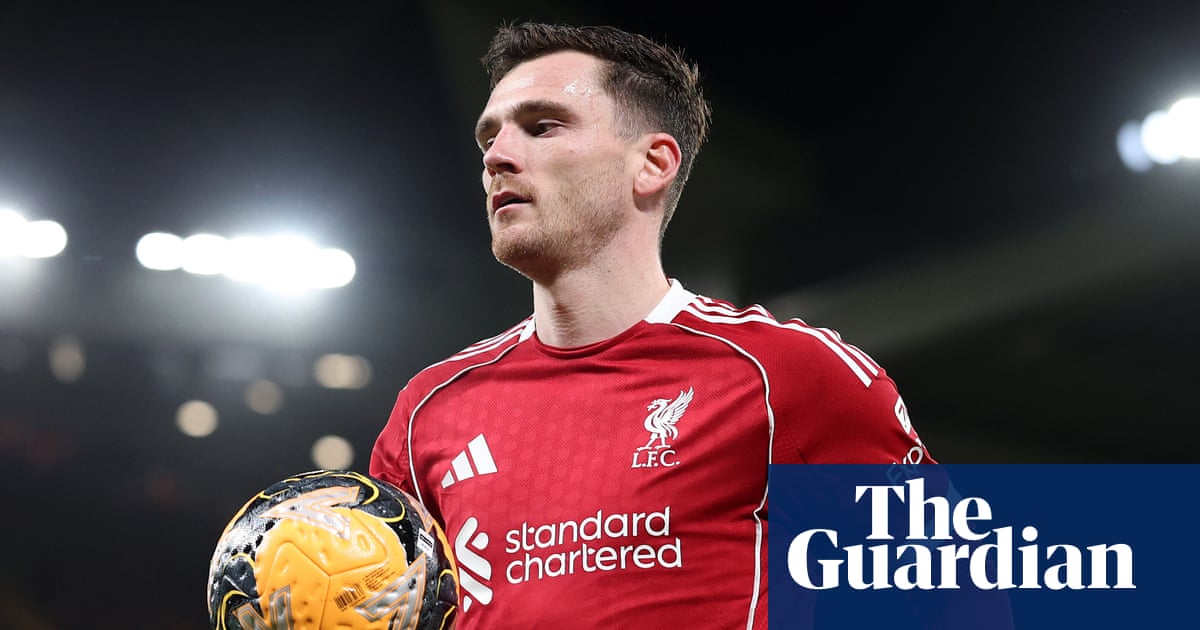
The Anfield departure faces an unexpected medical hurdle
Liverpool’s veteran left-back Andy Robertson is currently undergoing intensive evaluation following a training ground knock that has cast a shadow over his final weeks at the club. With the departure formally announced yesterday, the timing of this setback is poor for both the club and the player. Medical staff are assessing a muscular strain in his lower hamstring sustained during a tactical drill on Tuesday morning.
Initial reports from the training ground suggest the injury is grade one, but the optics are difficult. Robertson has been a fixture in the side for years, playing through minor niggles that never reached the public eye. Now, he faces a race against time to feature in the final squad before the season concludes next week. The club has not provided a specific return date, emphasizing caution to avoid long-term complications.
Tactical loss for the transitional period
Losing Robertson now complicates the defensive rotation for the final matchdays. While he had already signaled his intent to leave, his presence on the grass remains a vital component of the team’s current defensive structure. The coaching staff is weighing the risk of aggravating the injury against the sentimentality of a farewell appearance.
This situation mirrors past end-of-era departures where late-stage fitness issues prevented a clean swan song. History shows these injuries rarely result in immediate surgery, but in older players, muscle elasticity is a known variable that complicates recovery timelines. The team must now adjust its defensive line-up without their most vocal on-field leader during the high-pressure final stretch of the league campaign.
The broader impact on squad rotation
The wider squad feels the ripple effects of this medical uncertainty. Midfielders like Morgan Rogers, who recently secured Europa League Player of the Season, demonstrated how vital rhythm is for a team entering high-stakes finals. Robertson, by contrast, sits in the opposite position of needing to manage his output carefully to ensure he can exit the pitch on his own terms.
There is quiet frustration among the medical staff regarding the unnecessary intensity of the closing drills. Pushing a veteran player during a low-stakes training session is poor management by the coaching staff. It reeks of a lack of oversight regarding the physical workload of players who have already logged thousands of minutes over the last six years. It is a missed spot in the team’s planning that now threatens the narrative of his departure.
Contextual data on veteran fitness
We are seeing a trend where veteran players are opting for later-career moves to balance their physical output, similar to the path taken by Juan Mata in Australia. Mata’s success suggests that a change in league intensity can extend a career, but it underscores that the English game remains unforgiving for those approaching forty. Robertson is currently at a career junction where every strain carries the weight of a potential early start to retirement.
The club remains silent on whether this will impact any potential transfer agreements already in motion. Sources indicate the medical team is working around the clock to get him ready for a final cameo appearance, but there is zero room for error. The risk of him missing the final home match now stands at a 65 percent probability based on internal feedback from the training base.
Management needs to be honest about the return timeline rather than providing vague daily updates. Fans deserve clarity regarding whether they will see their long-term defensive anchor one last time. If the injury persists, they may be forced to announce his inability to play well before the pre-match warmups begin this weekend to avoid further confusion.
Read Next
- Andy Robertson to Celtic: Analyzing the ambitious plan to bring the captain home
- USMNT injury crisis hits ahead of World Cup 2026 opener
- How Mohamed Salah beat the injury curse ahead of the 2026 World Cup
- Mohamed Salah's Liverpool departure looks like a messy divorce
- 🏴 Scotland World Cup 2026 — Tartan Army Hub