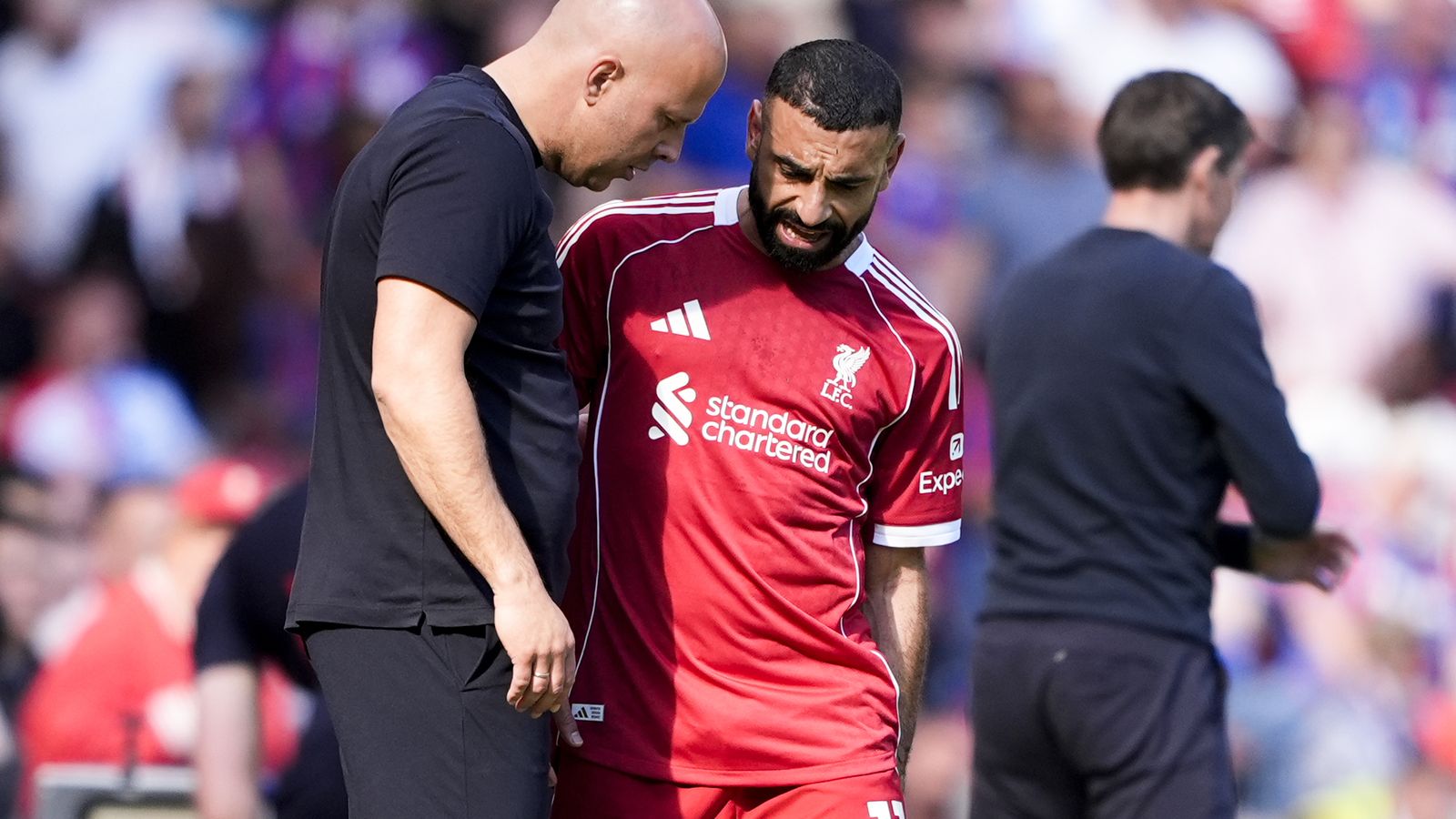
The timing of Salah's breakdown
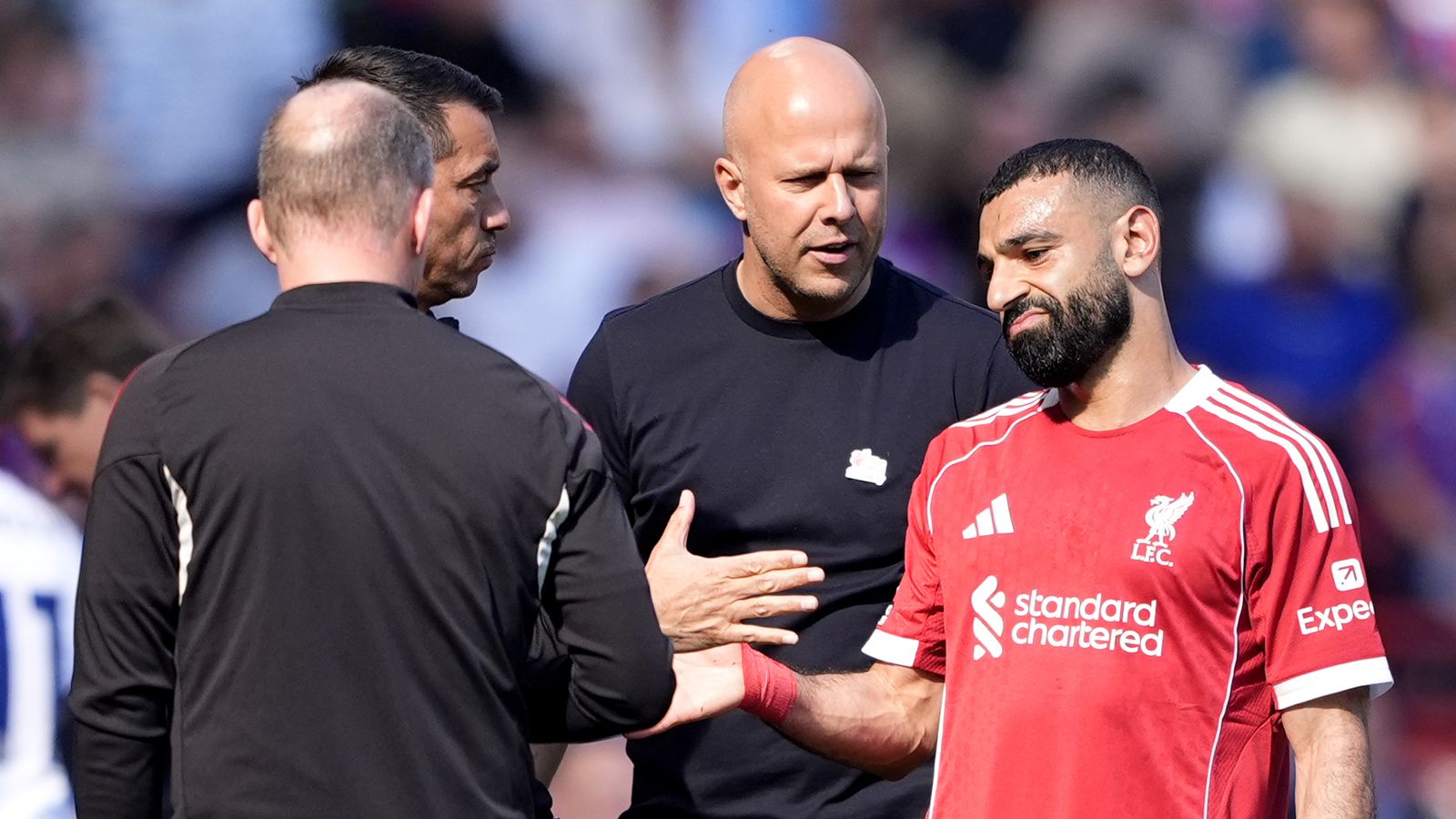
Mohamed Salah suffered a high-grade hamstring strain during Liverpool's recent win over Crystal Palace. The injury occurred in the final minutes of the match, forcing him to limp off the pitch as medical staff attended to his left leg. Scans confirmed the severity of the damage late yesterday evening.
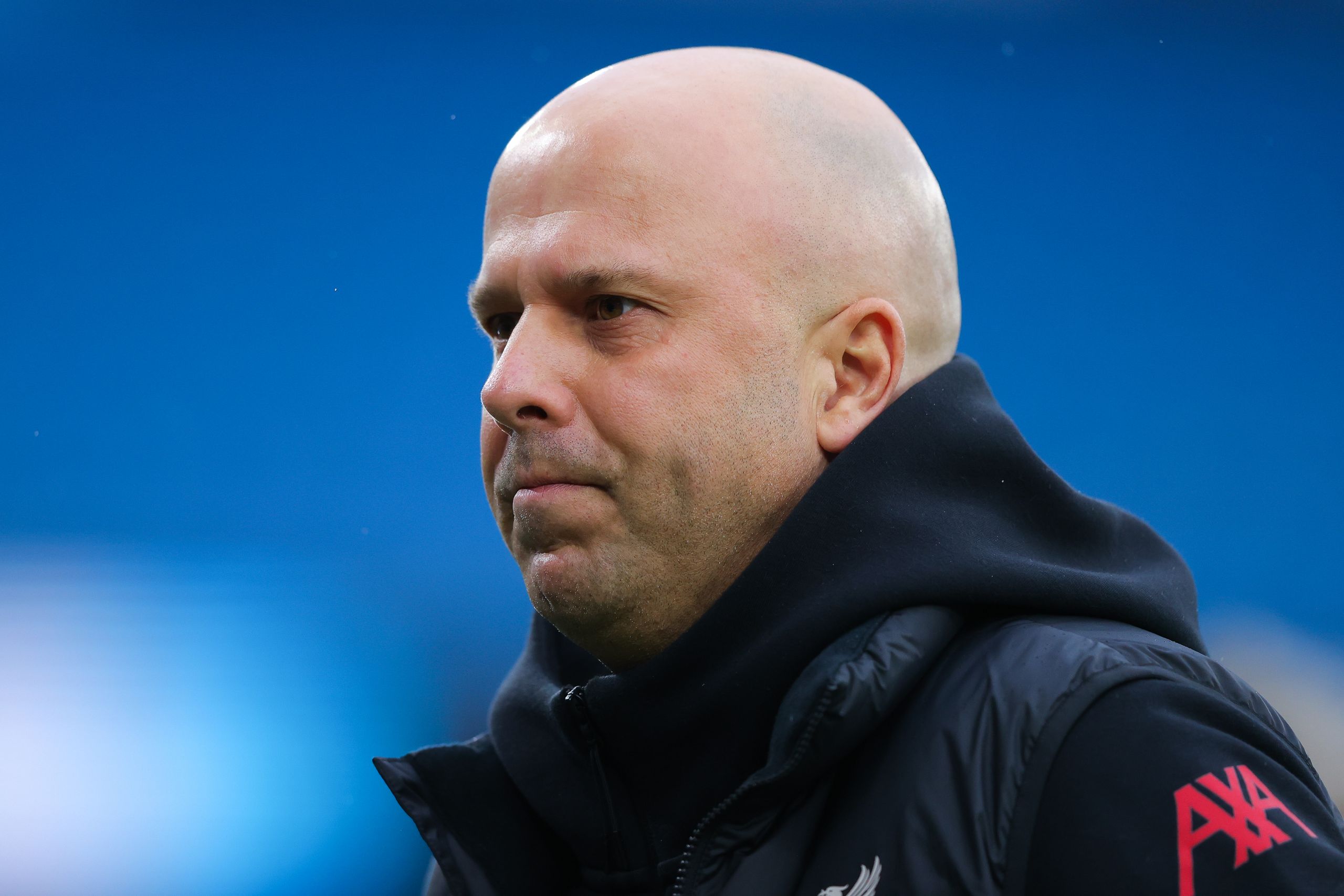
This is a major blow for Arne Slot at the worst possible moment. Liverpool faces a packed schedule over the next thirty days, starting with the Champions League semi-final first leg on April 28. Early estimates suggest a recovery period of four to six weeks, effectively ending his season. For a player whose departure this summer was heavily anticipated, this feels like an abrupt end to his time at Anfield.
Historical patterns and medical reality
Hamstring injuries at this stage of the season are notoriously difficult to rush. The physiological recovery cycle for elite athletes in their thirties often requires more caution than managers generally allow. History shows that pushing a player to return in under a month from a high-grade strain frequently results in a repeat injury or a secondary drop in explosive output.
Liverpool's medical staff has a tough choice. They can treat this with the standard protocol, which guarantees his absence for the remainder of the league campaign and the European run, or they can attempt a high-risk rehabilitation program. Given his imminent exit rumors detailed by Sky Sports, the incentive to risk his long-term health for a few final appearances is low.
The impact on Slot's tactics
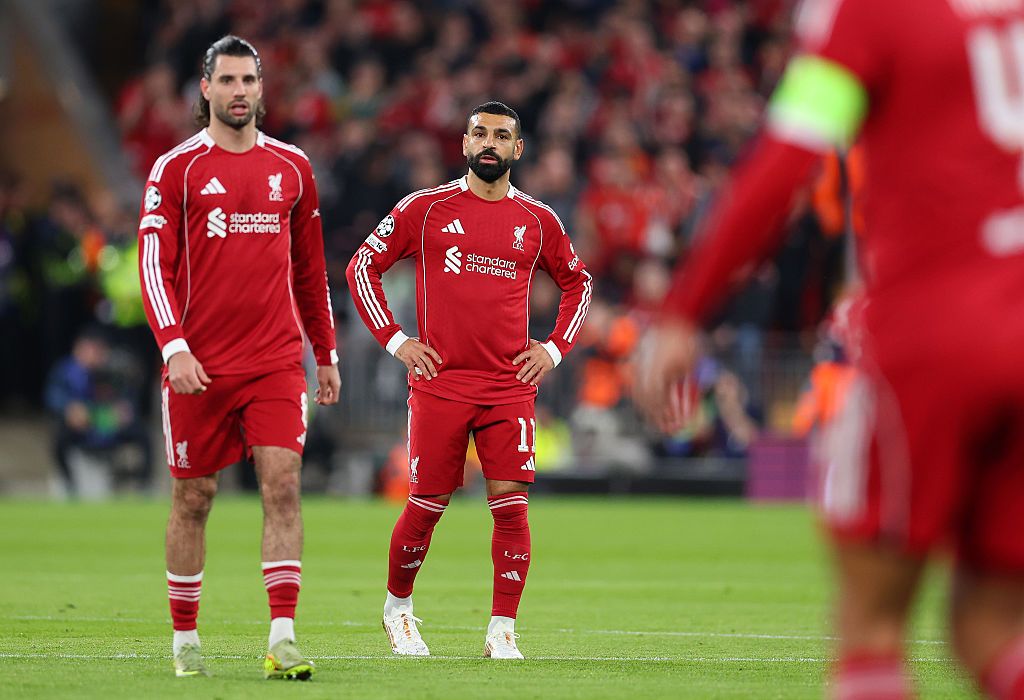
Slot has leaned heavily on Salah's goal contributions to navigate the domestic hunt. Without him, the forward line loses its primary creative outlet. The team now faces a direct tactical challenge to maintain their offensive shape against high-level opponents. The reliance on Salah's individual brilliance has been a feature of the system for years, and removing that creates a significant void.
Competition for the top four is already tight. Dropping points now would be disastrous for the club's financial health and recruitment plans for the upcoming summer. The coaching staff must pivot away from a Salah-centric attack, moving tactical responsibility onto his deputies. There is little time to experiment before the semi-final showdown in three days.
Strategic risks for the summer exit
There is also the matter of market value and medical examinations. Any potential purchasing club will request full history on this specific strain. A lingering injury at the end of the 2026 season could influence contract terms or lead to a re-evaluation of his transfer fee. This is a cold, business-driven reality that hangs over his rehabilitation.
Slot’s management of this situation serves as a warning for future squad depth. Relying on a smaller rotation puts stars at risk when the fixture list becomes congested in April and May. This injury likely marks his 18th match missed or shortened due to fitness issues over the last three seasons. If he does not reappear at Anfield, he finishes his campaign on **17** league goals, leaving fans with an unfinished narrative rather than a clear farewell.
Read Next
- Liverpool's top-four bid takes a hit with Salah injury status confirmed
- Hugo Ekitike injury sidelines Liverpool striker for the season
- Liverpool and Newcastle face mounting injury crises as season hits breaking point
- Callum Wilson’s late heroics hide a deepening West Ham fitness reality
- 🇪🇬 Egypt World Cup 2026 — Salah's Last Dance