The Unspoken Panic in Van Dijk's Plea
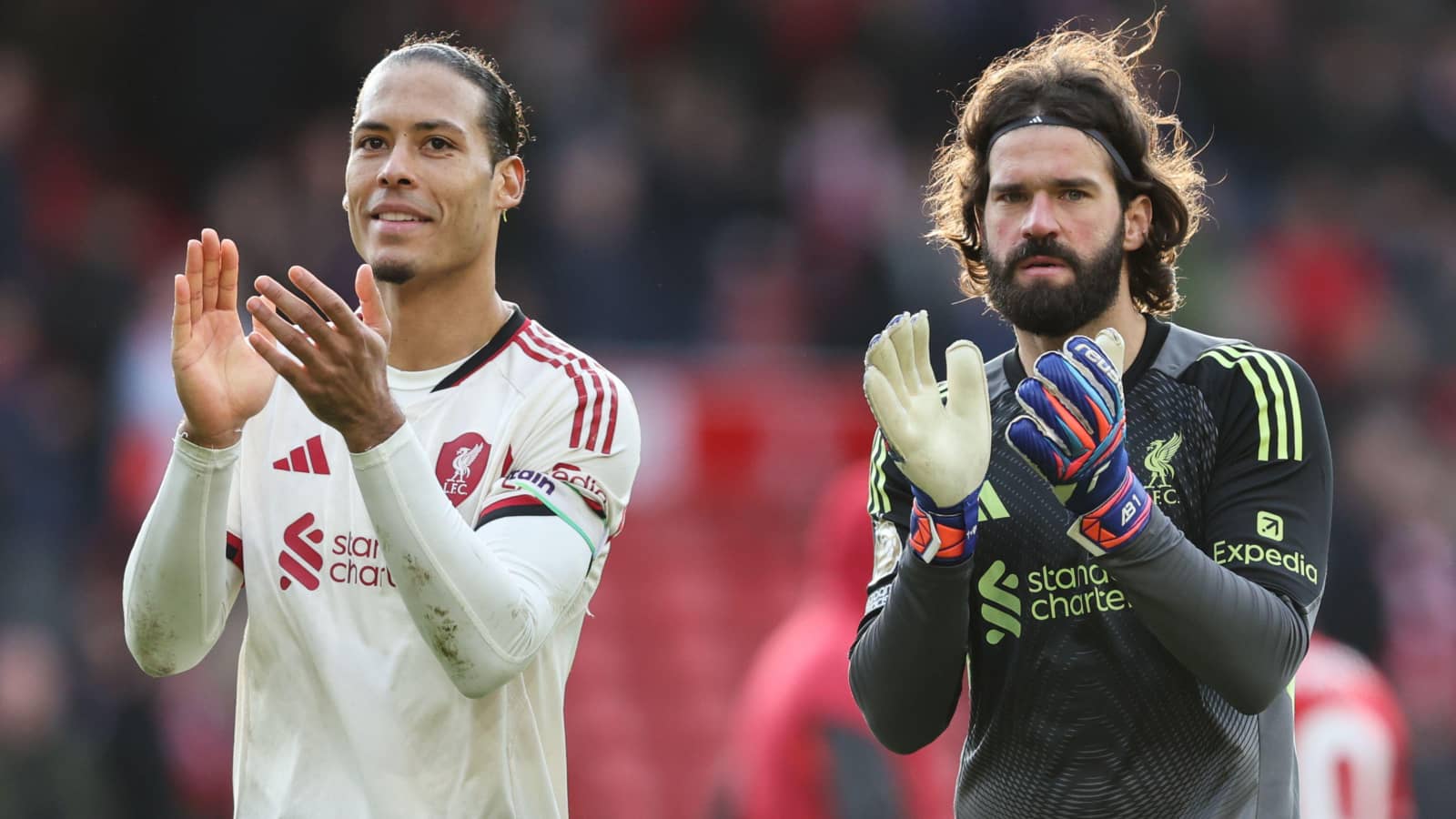
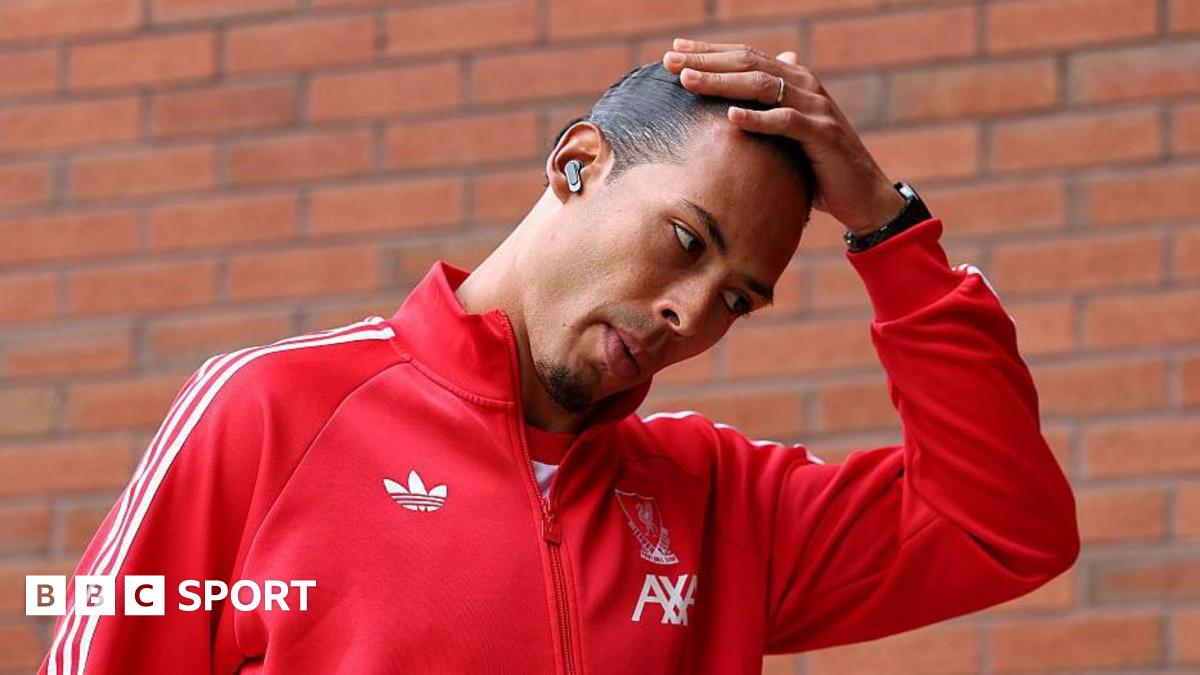
When a club captain speaks to the press, you expect the usual platitudes. So when Virgil van Dijk publicly stated he was “hopeful” Alisson Becker would stay at Liverpool, alarm bells should have screamed across Merseyside. This wasn't a captain motivating his troops; this was a man seeing a foundational pillar of a dynasty beginning to crumble, and his unease is the single biggest tell about the direction Liverpool is heading.
The persistent, noisy rumors of a record-shattering bid from the Saudi Pro League for the goalkeeper are no longer just transfer gossip. Van Dijk's words confirm they are a real and present danger to the club's stability. For the past six years, Liverpool’s entire high-risk, high-reward tactical system has been built on two certainties: Alisson’s impossibly high starting position and Van Dijk’s unmatched recovery pace. One of those is now in serious doubt, and the other is showing the inevitable signs of age.
The End of the Alisson Era Changes Everything
Losing Alisson isn't like losing a normal goalkeeper. It's like a team of architects losing the revolutionary material their entire building was designed around. The Brazilian isn't just a shot-stopper; he is Liverpool's deepest-lying playmaker and the sweeper who enables their defensive high wire act. His 85% pass completion rate isn't just a vanity metric; it's the starting point for countless attacks and the pressure-release valve when the opposition press works.
A reported £100m offer for a 33-year-old is a figure the boardroom cannot ignore. But replacing him is a near-impossible task. There isn't another keeper on the planet who combines his 1v1 dominance with the bravery and intelligence to play 15 yards outside his box. A replacement would necessitate a tactical retreat. The defensive line would have to drop deeper, the space between midfield and defense would expand, and the entire pressing structure that has defined this team under both Klopp and now Arne Slot would become fundamentally broken.
Van Dijk and the Inevitable March of Time
While the Alisson situation is a potential crisis, Van Dijk's own form is a current, creeping problem. At 34, the aura of invincibility has begun to fade. This isn't a dramatic collapse, but a slow erosion of the athletic gifts that made him a transformational defender. The most telling stat of the season is not in tackles or interceptions, but in a simple footrace.
This season, his success rate in one-on-one duels against dribblers has fallen to 64%, a career low and a stark drop from his peak of over 75%. We saw it just two weeks ago against Chelsea. In the 78th minute, Nicolas Jackson knocked the ball past him near the halfway line and simply ran away from him, forcing a desperate tactical foul. Five years ago, Van Dijk wins that race, probably without even breaking a sweat. It’s these moments that force the defensive line deeper, compounding the very issue a potential Alisson departure would create. He is still a world-class reader of the game, but he can no longer be a one-man solution for every defensive gap.
The Unbalanced Engine Room
The midfield rebuild, celebrated for its technical flair, has papered over a lingering structural crack. The trio of Alexis Mac Allister, Dominik Szoboszlai, and Harvey Elliott is a joy to watch on the ball, but they offer little in the way of defensive screens. The reliance on Trent Alexander-Arnold’s hybrid role, while often brilliant, is a tactical gamble that better teams have begun to solve.
Opponents now target the space he vacates with rapid transitions, isolating Ibrahima Konaté or the aging Van Dijk. Without a dedicated holding midfielder in the mold of Fabinho or Rodri, Liverpool’s midfield is a sieve against elite counter-attacking sides. They are built to win games 4-2, a thrilling but ultimately unsustainable model for a 38-game league season and a Champions League campaign.
Prediction: A Necessary, Painful Step Back
The evidence points to an unavoidable conclusion. The foundational elements of Liverpool's golden era are either being targeted for removal or are naturally degrading. The potential loss of Alisson is an existential threat to their tactical identity, Van Dijk's physical decline removes their margin for error, and the midfield's imbalance is no longer a secret.
Next season is shaping up to be a painful, necessary transition. Even if Alisson stays, the underlying issues won't vanish. Arne Slot is facing a full-blown rebuild, not a retooling. Expect a finish outside the top three and an early exit from the Champions League. This isn't the end of Liverpool as a force, but it is the end of this specific, magnificent team. The 2026/27 season will be the year the dynasty finally gives way to the rebuild.