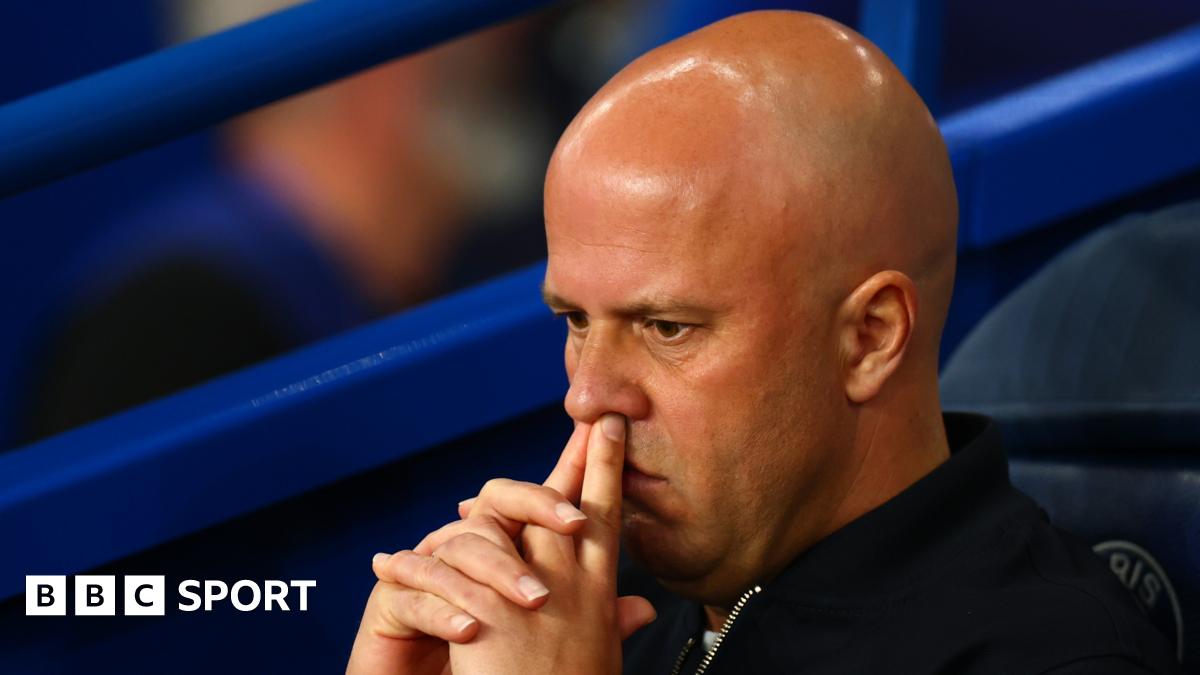
Arne Slot blinked first. You don't tear up your established tactical playbook in the middle of April unless you are terrified of the opposition.
Liverpool traveled to face the reigning European champions with a defensive mandate. Slot deployed a back five, hoping to suffocate Paris St-Germain’s wide threats. It was a pragmatic choice on paper. On the pitch, it was a comprehensive disaster.
The Champions League quarter-finals demand absolute conviction. Liverpool brought caution, and PSG made them pay the price. It was a masterclass in exploiting tactical insecurity.
The Mechanics of the Misfire
Slot has spent the better part of his Liverpool tenure building a cohesive, aggressive pressing unit. The standard four-man defense is deeply ingrained in the DNA of this squad. Switching to a five-man backline fundamentally altered their spacing, timing, and defensive triggers.
The theory behind the shift is easy enough to grasp. It was supposed to provide double-coverage on the flanks. The wing-backs would step to the opposing wingers, while the wide center-backs covered the dangerous inside channels.
PSG, however, do not play textbook, static football. They operate with a devastating fluidity that completely scrambled Liverpool's marking assignments from the opening whistle.
When PSG's wide players drifted inside, Liverpool's wing-backs hesitated. They didn't know whether to track the run into the center or hold their width and pass the man off to the center-backs.
That split-second hesitation created massive pockets of space in the wide areas. PSG exploited those pockets all night, turning the flanks into isolated nightmares for Liverpool's defenders.
Losing the Midfield Battle
The hidden, crippling cost of playing a back five is the sacrifice you make further up the pitch. By dropping an extra man into the defensive line, Liverpool voluntarily surrendered the midfield numerical advantage.
PSG's midfield trio dictated the tempo with alarming ease. They rarely had to force passes through tight, contested windows. Liverpool simply gave them the time and space to orchestrate the game on their own terms.
Liverpool's central midfielders spent the match chasing shadows. They were constantly pulled out of position, desperately trying to cover the massive gaps left by the tactical shift.
Umir Irfan's analysis on the BBC pinpointed this exact breakdown perfectly.
"Arne Slot changed Liverpool's shape for their Champions League quarter-final first leg - but their tactics were still bested by European champions Paris St-Germain."
That summary feels almost too polite. Liverpool weren't just bested. They were tactically outmaneuvered, out-thought, and out-played in every phase of the game.
The Isolation of the Front Line
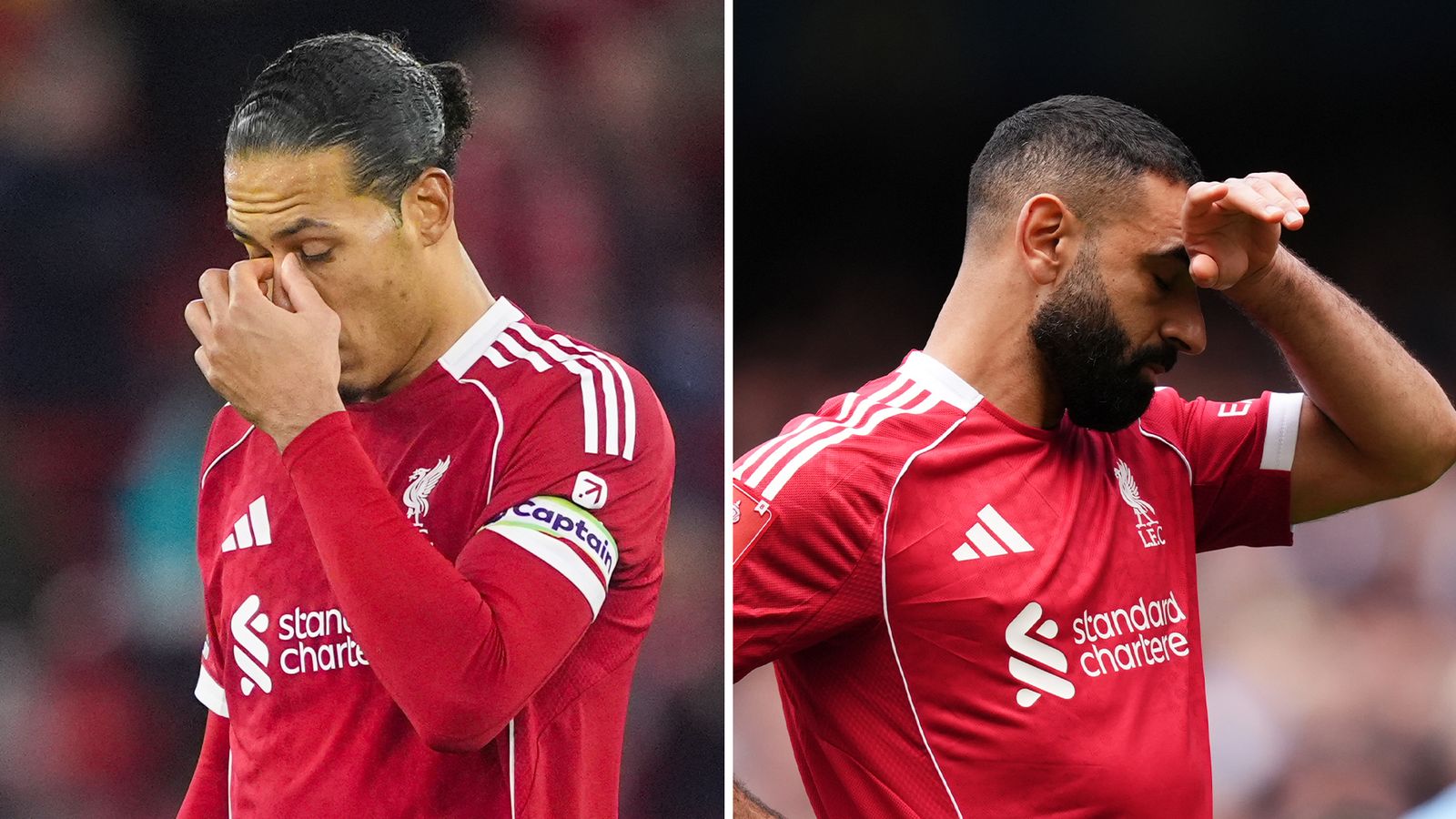
We need to talk about what this tactical shift did to Liverpool's attacking threat. It essentially erased it. Mohamed Salah spent the evening making fruitless runs into channels that were never going to receive service.
When you play a back five against a possession-dominant team, your wide forwards end up functioning as auxiliary full-backs. Salah and Luis Diaz were pinned so deep they were practically shaking hands with their own corner flags.
The distance between the midfield pivot and the attacking trident was staggering. Every time Liverpool won the ball, the player in possession looked up to find zero viable passing options.
Liverpool managed just 0.4 expected goals across the entire match. It resulted in a string of desperate, hopeful long balls that were easily mopped up by PSG's central defenders.
The French side didn't even have to work hard to regain possession. Liverpool practically handed it back to them out of sheer numerical disadvantage. You cannot expect to threaten the European champions when your most dangerous players are tasked with tracking back 60 yards just to get a touch on the ball.
The Failure of Pragmatism
Here is the harsh reality for Arne Slot. This was a massive, unforced error. Managers often overthink big European nights. It is a trap that has claimed some of the best coaches in the world, and Slot fell directly into it.
He showed entirely too much respect to the opposition. PSG are the European champions for a reason. They are ruthless. But Liverpool are simply not built to absorb pressure for 90 minutes.
This Liverpool side thrives on calculated aggression and front-foot defending. By dropping deep into a passive back five, Slot effectively neutered his own team's greatest strengths.
A Harsh Lesson in Identity
There is a very fine line between tactical flexibility and an identity crisis. Liverpool crossed that line violently against PSG.
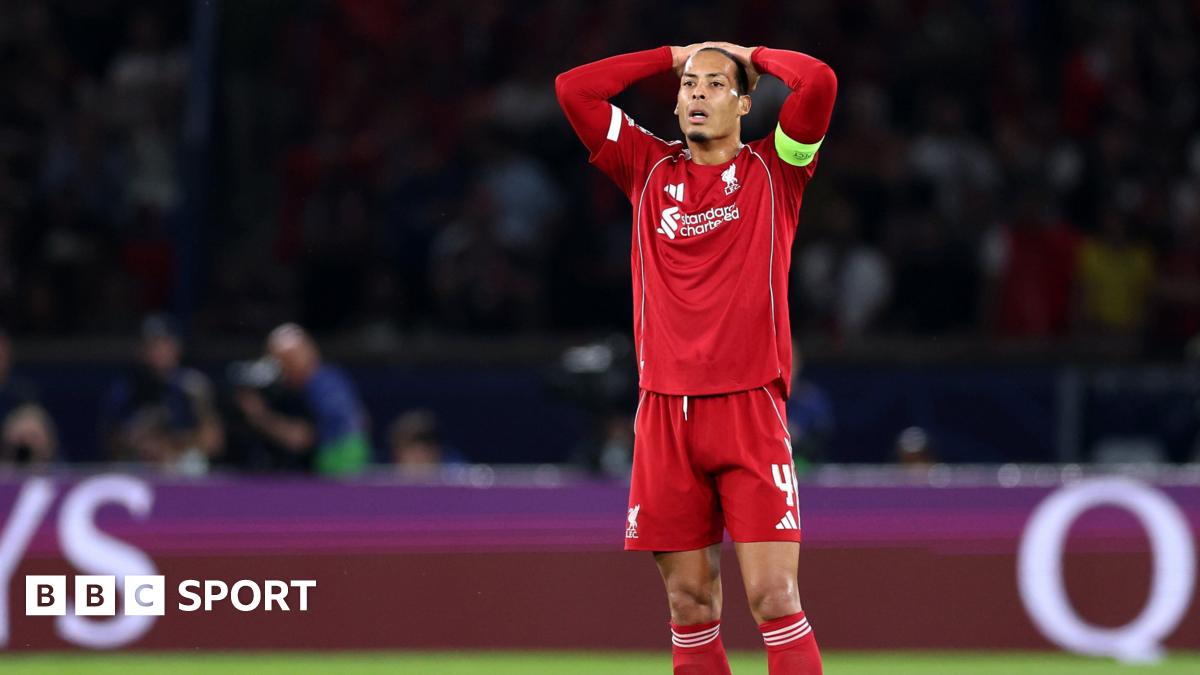
The communication between the three center-backs looked entirely unnatural. Virgil van Dijk looked visibly frustrated with the lack of cohesion around him. They were caught flat-footed on multiple occasions, struggling to coordinate who should step up and who should drop off.
You cannot install a complex, unfamiliar defensive system in a few days of training and expect it to hold up under the brightest lights in European football. PSG recognized the uncertainty in Liverpool's backline immediately and targeted it without mercy.
Every time PSG rotated their front line, Liverpool's defensive structure warped and buckled. The fluidity of the French side was simply too much for a static, under-rehearsed defensive shape to handle. Liverpool surrendered 64 percent possession in the first half alone, a damning statistic for a team with title ambitions.
The Weight of the Job
Arne Slot was brought in to provide tactical stability, to build on the foundation without losing the intensity. For the most part, he has succeeded.
But this match will be a massive black mark on his early European record with the club. It felt like a regression. It felt like a manager who looked at the pedigree of the opposition and flinched.
Great managers dictate the terms of engagement. They force the opponent to solve their tactical puzzles. Slot opted to solve PSG's puzzle before the first whistle even blew, and in doing so, he surrendered the initiative entirely.
Looking Ahead to Anfield
The damage is severely done, but the tie is not officially dead. The second leg at Anfield is scheduled for April 14, just five days away from now.
Liverpool have an absolute mountain to climb, and they have very little time to figure out their ascent. One thing is absolutely certain. The back five experiment is dead and buried.
Slot has to return to basics. He needs to trust the system that brought them to the quarter-finals in the first place. You dance with the system that brought you, especially in knockout European football.
Anfield on a European night is a powerful, historic equalizer. But crowd noise cannot fix a fundamentally broken tactical setup. If Liverpool set up with fear again, PSG will gladly end their European campaign.
The margins at this elite level are brutal. You get one chance to set the tone in a massive two-legged tie. Slot got it entirely wrong in the French capital.
Now, he has exactly one game on Merseyside to prove he can adapt when his initial, over-complicated plan falls apart.
The pressure is entirely on the manager's shoulders. He broke Liverpool's rhythm to counter PSG, and he ended up giving the European champions exactly what they wanted.
He has five days to find a way to make Liverpool look like Liverpool again. Anything less, and this Champions League run will end with a whimper rather than a roar.
Read Next
- Liverpool's injury crisis might actually help Arne Slot in Paris
- Liverpool cannot hide from their own attacking bankruptcy
- Liverpool are walking into a tactical graveyard against PSG
- Liverpool's high-line gamble against PSG is a tactical dead end
- ⚽ Ligue 1 2025-26 — PSG, Monaco & the Title Race Hub
- ⭐ UCL 2026 — Champions League Quarter-Finals Hub