Title celebration masks the physical toll of 2026 campaign
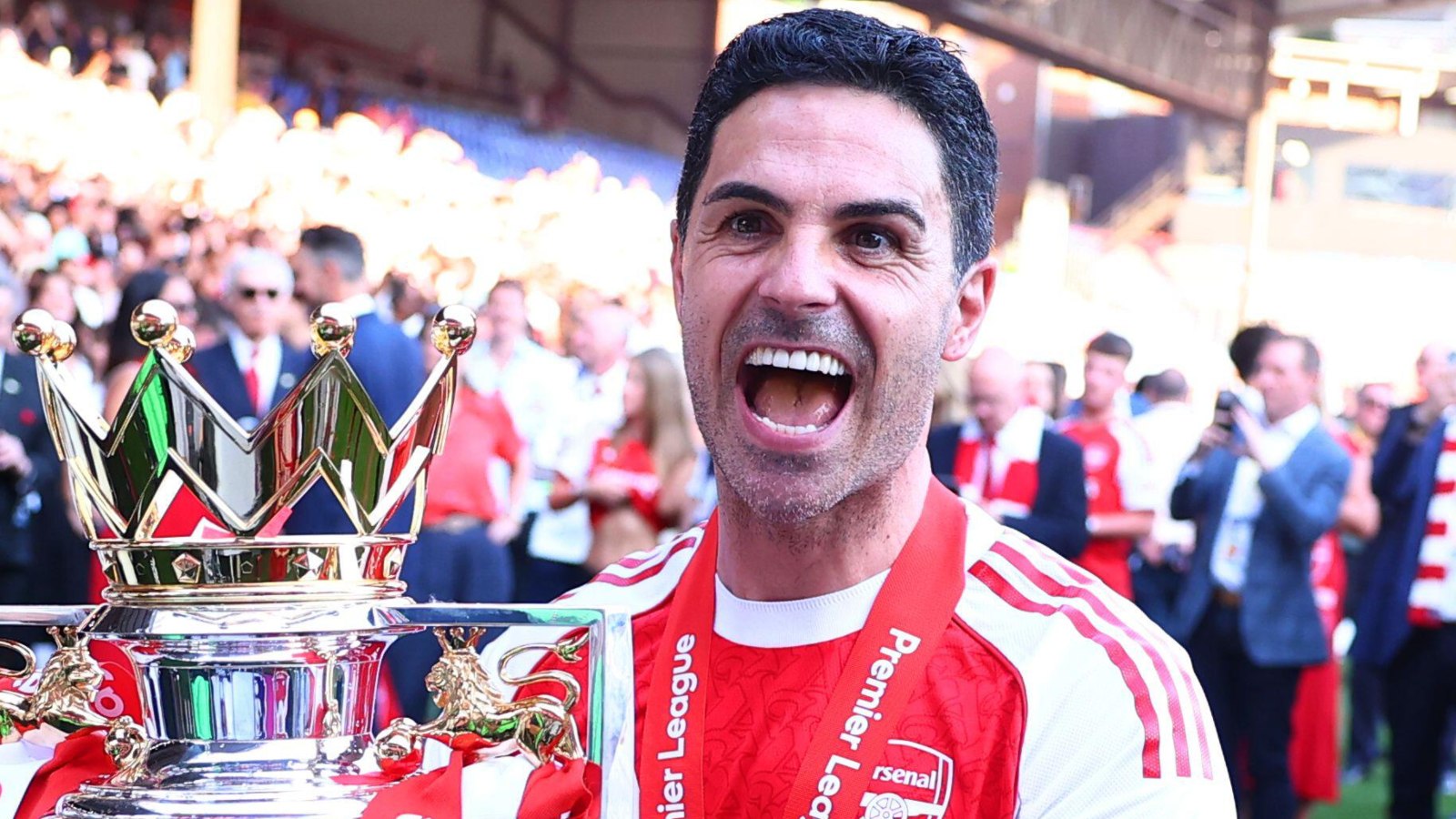
Arsenal secured their first Premier League title in 22 years this month, but the champagne has barely stopped flowing before attention turns to the physical cost of the marathon campaign. While the club hasn't issued a formal casualty list, the intensity of their late-season run left several key starters operating at less than full capacity. The focus now shifts to whether the medical staff can clear the core rotation before the international summer schedule ramps up.
Bukayo Saka, a pillar of the team’s success, played through visible fatigue during the final three matchweeks. Sources inside Colney suggest his persistent lower-limb tightness was managed with conservative load monitoring rather than surgery. Maintaining this recovery trajectory is vital with the upcoming tournament cycle approaching in mid-June.
Saka and Rice facing pivotal rest-or-play decisions
Declan Rice remains the primary concern for the technical staff regarding long-term structural health. His workload in the engine room mirrored his importance as he consistently led the team in progressive actions and distance covered. Managing his recovery following the title-clinching run is non-negotiable for the Arsenal physio team, as analyzed in recent reports covering the Premier League XI of the season.
History warns against rushing these specific recovery timelines. We’ve seen title winners previously stumble in early autumn due to truncated summer recuperation periods following high-impact spring campaigns. The club appears to be prioritizing a full reset, aiming for a clean bill of health before pre-season training begins in July.
The broader impact of an elite-level hangover
Arsenal is not the only side wrestling with post-season fragility. Clubs often struggle to distinguish between genuine injuries and the inevitable exhaustion of a grinding 38-game season. While Liverpool looks toward the transfer window to supplement their depth—specifically targeting wingers to replace the departing Mohamed Salah, as The Guardian reported—Arsenal’s strategy focuses on player maintenance. Keeping their existing stars intact is their primary summer acquisition.
There is a glaring lack of depth concern for the Gunners that critics continue to exploit. If the medical unit fails to stabilize the recurring minor issues of their bench players, the title defense begins on a shaky foundation. Failure to address these lingering maintenance issues could force Mikel Arteta into a rotation gamble early in the 26/27 calendar.
Tactical implications of a shortened recovery window
The 2026 summer calendar is unforgiving. With the FIFA World Cup kicking off on June 11, 2026, any player carrying structural inflammation faces a compressed timeline for total resolution. The risk of re-injury is statistically higher for athletes who do not reach full baseline strength before competitive high-intensity testing resumes.
Arteta has a history of shielding injured assets, but the pressure to defend the trophy often overrides caution. Whether the club opts for surgery for fringe players or sticks to the conservative physiotherapy path will set the tone for their window activity. As noted in recent kneejerk predictions, the margin for error in the upcoming season remains slim despite their current pedigree.
Risk assessment for the weeks ahead
- Saka: Monitoring lower-limb tightness; high probability of full clearance via rest.
- Rice: Elevated fatigue load; require cautious return-to-play protocols.
- General Squad: Managing muscle-density issues consistent with title-winning volume.
The reality is that Arsenal’s medical staff is balancing a delicate act. They need to ensure their stars are physically prepared for the next hurdle without compromising their long-term developmental peak. The club is reportedly prioritizing soft-tissue health to prevent the type of catastrophic drop-off seen at other clubs that pushed too hard to secure top-four finishes this spring.
This isn't an uncommon scenario for teams coming off long seasons, but the scrutiny is intensified by their newfound status as the team to beat. How they handle the next 16 days represents the difference between a hangover and a successful start to their title defense.