The medical update on Declan Rice
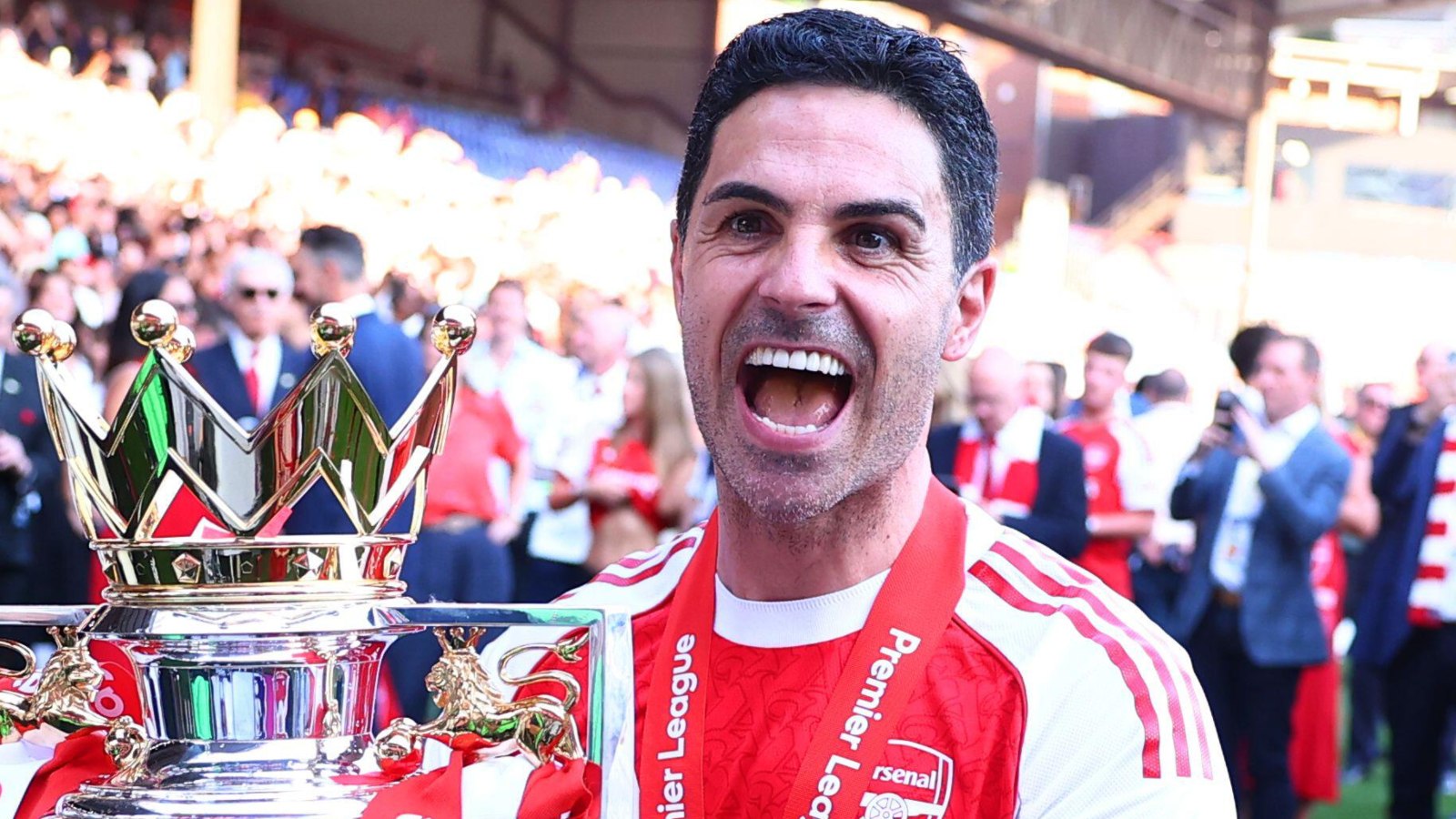
Arsenal midfielder Declan Rice has been confirmed as the BBC Premier League Player of the Year following the club’s domestic title win. The recognition arrives at a precarious moment for the England international. Sources close to the Emirates stadium suggest a lingering muscle issue is currently occupying the medical staff as the club turns its gaze toward the summer schedule.
While Rice’s physical output remained consistent during the title charge, the demand of 48 total appearances has left visible signs of fatigue. Arsenal’s medical department is managing a strain that hampered the midfielder’s output in the final two weeks of the Premier League season. It is not currently requiring surgical intervention, but the intensity of the upcoming international summer has sparked internal concern.
The World Cup collision course
FIFA’s 2026 World Cup kickoff is set for June 11, placing immense pressure on the player's recovery timeline. Rice is expected to join the Gareth Southgate squad, yet his ability to perform at maximum intensity is now a matter of debate. The irony of the BBC Sport award is that it highlights the degree to which Arsenal relied on him throughout their title sprint.
History provides little comfort for players moving directly from a title campaign into a major tournament. We saw in 2018 how high-usage midfielders faded during the quarter-final stages due to accumulated leg fatigue. If Southgate persists with playing him for every available minute, Arsenal could be left with a damaged asset for the start of the 2026-27 domestic term.
Strategic risks for the champion
The decision-making process at London Colney is split between resting the player and satisfying his national team obligations. Arsenal invested a massive fee in Rice, and seeing their talisman return from international duty in worse condition would represent a significant failure of player management. The club is reportedly pushing for strict minute caps during the early group stage of the tournament.
This management strategy mirrors the approach that saw other clubs, such as Manchester United, rotate their high-value acquisitions to protect them from late-season breakdowns. It is a gamble, especially given that England’s success hinges on his availability in the center of the pitch. If the injury flares up during the group stages, the risk to his long-term health will soar.
A critical look at current standards
The current scheduling environment is essentially a meat grinder for elite athletes. Winning the league title was a peak for the club, but failing to manage physical recovery for the sake of a summer tournament reflects poorly on the broader sport. Sports science teams are often sidelined when national managers prioritize squad continuity over individual fitness thresholds.
This is where the structure of modern football fails its most valuable performers. Rice is arguably the most important component of the Arsenal XI, yet he is being treated like a recurring rental. If the club and the national team cannot agree on a set rotation, the player will eventually pay the price for their collective lack of restraint. The season might be over in North London, but the real medical test for the player begins in two weeks.
Read Next
- Dejan Kulusevski misses World Cup cut due to lingering Tottenham injury
- Arsenal's transformation from fan protests to title glory
- Neymar sidelined: Brazil star faces race to be fit for World Cup opener
- Arne Slot's Liverpool project is teetering on a knife edge
- 🏆 World Cup 2026 — Full Coverage Hub
- ⭐ UCL 2026 — Champions League Quarter-Finals Hub