Tactical positioning ahead of the Budapest showdown
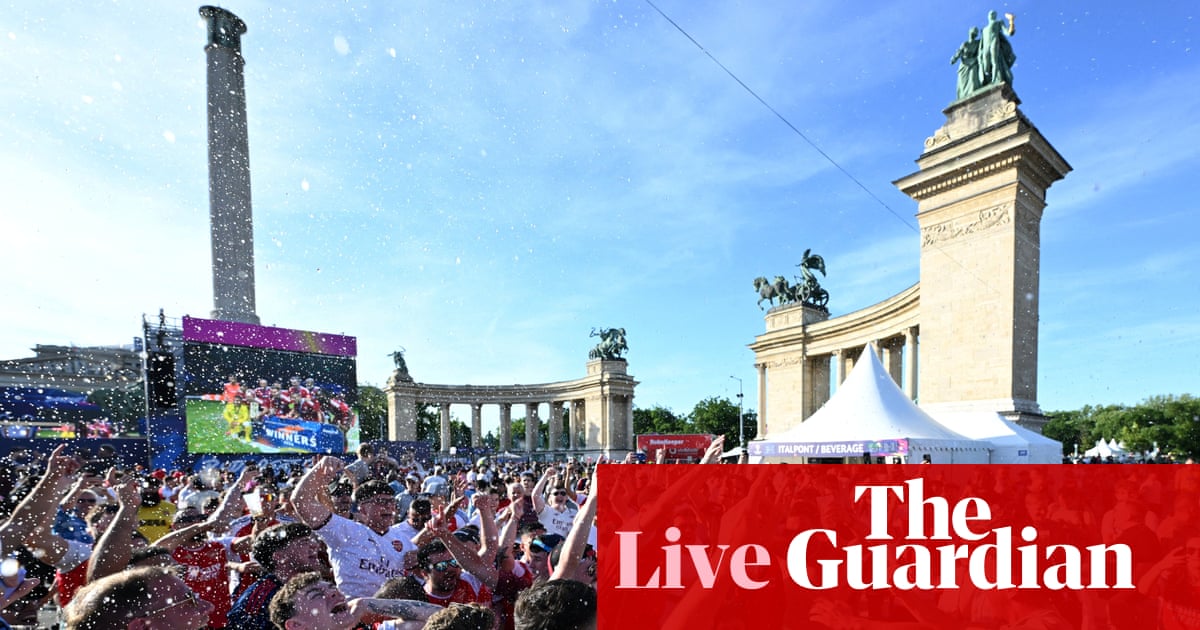
The anticipation surrounding the Champions League final between Paris Saint-Germain and Arsenal has reached a fever pitch. As the calendar strikes May 30, 2026, the football world turns its focus to Budapest, where these two sides will collide in less than two weeks. It is a clash of distinct philosophies: the perennial European heavyweights versus the methodical rebuild of a London side finally arriving at the summit.
Defining the defensive structure
Arsenal's progression to this stage is built on a suffocating low block that prioritizes controlled transitions. They concede few shots from outside the box, forcing opponents into wide areas where cross-completion rates have plummeted against their disciplined full-backs. The defensive metrics show a 74% completion rate for opposition passes into the final third, suggesting that even if PSG dominates possession, the path to goal is narrow.
However, the skepticism remains regarding their vulnerability to individual brilliance. PSG possesses the technical profile to break out of tight spaces, specifically through central channels where Arsenal’s holding midfielder has struggled with lateral mobility during high-tempo matches. If the game becomes a scramble in the middle third, the structural rigidity might crack under the pressure of world-class transition attackers.
The RedBird blueprint and Milan's cautionary tale
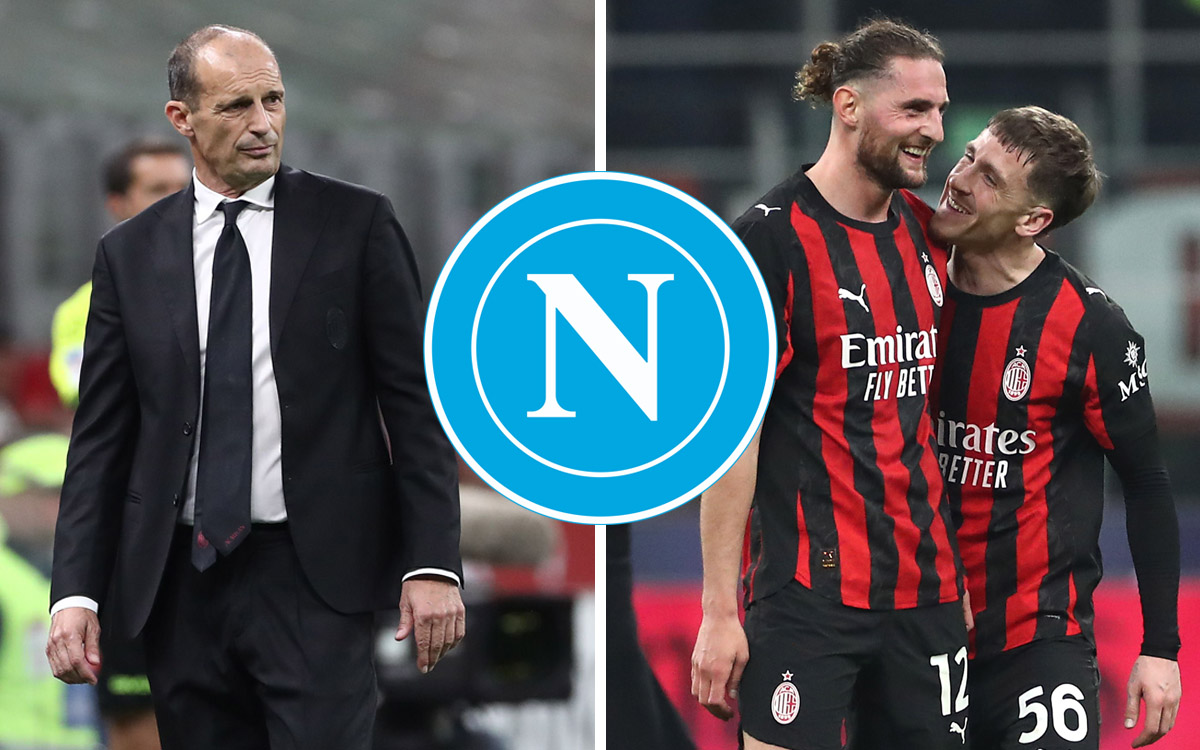
While attention sits on Budapest, the wider European front reveals how identity-driven projects can stall. The Milan situation offers a stark contrast. As Gazzetta dello Sport reported, the RedBird vision relies heavily on marketing-focused recruitment rather than tactical synergy. When club identity becomes secondary to media perception, on-pitch results often decline into a predictable cycle of mediocrity.
What to watch for at the Puskás Aréna
Watch for the opening twenty minutes. PSG historically pushes their full-backs high, aiming to pin their markers in the defensive third. If Arsenal’s wide attackers fail to track back, the resulting space could allow the French side to create an xG significantly higher than their seasonal average of 1.8. The battle between the defensive pivot and the PSG playmakers will decide the rhythm.
Arsenal’s reliance on set-piece variations is another factor, especially given their 21% goal conversion rate from dead-ball scenarios this campaign. In a final, these fine margins dictate the outcome. My prediction: Arsenal shades it. Their tactical discipline survives the PSG onslaught, forcing a narrow 1-0 victory for the London club.
Read Next
- How a weird PSG loan turned Mikel Arteta into a manager
- Achraf Hakimi's PSG future is uncertain before the Champions League final
- Budapest awaits as Arsenal prepares for the ultimate PSG chess match
- Arsenal and PSG are locked in an administrative war before a ball is even kicked
- ⚽ Ligue 1 2025-26 — PSG, Monaco & the Title Race Hub
- ⭐ UCL 2026 — Champions League Quarter-Finals Hub