
Budapest awaits as Arsenal prepares for the ultimate PSG chess match
Tactical positioning ahead of the Budapest showdown
The anticipation surrounding the Champions League final between Paris Saint-Germain and Arsenal has reached a fever pitch. As the calendar strikes May 30, 2026, the football world turns its focus to Budapest, where these two sides will collide in less than two weeks. It is a clash of distinct philosophies: the perennial European heavyweights versus an Arsenal side finally emerging from years of domestic frustration.
Arsenal’s journey to this stage has been defined by a rigid adherence to positional play, often suffocating opponents through high-volume possession. Their path to Budapest required navigating treacherous knockout ties where the margin for error was razor-thin. For Mikel Arteta, this is the culmination of a long-term project that prioritized structural stability over individual star power.
Paris Saint-Germain, by contrast, operates under a different set of constraints. Their reliance on transition phases and rapid ball advancement has rendered them the most potent counter-punching side in the competition. When PSG bypass the initial press, they exploit the high defensive lines that Arsenal prefers to maintain, creating chaos behind the back four at lightning speed.
The math behind PSG's transition game
Analyzing PSG’s performance data throughout the 2026 campaign reveals a clear reliance on verticality. Their average pass distance is higher than any other side in the final four, signaling an intent to bypass the midfield congestion that usually dominates modern European ties. They aren't looking to recycle possession; they are looking to break lines.
Arsenal will counter this with a pressing trigger mechanism located in the wide channels. Over the last three months, Arteta has shifted his defensive block to funnel opponents toward the touchline early. This forces turnovers in areas where the pitch is effectively halved by the boundary, mitigating the threat of central through-balls that previously plagued the side during group-stage play.
However, there is a glaring weakness in Arsenal's current setup. Their reliance on an inverted fullback system leaves them vulnerable to rapid switches of play. If the ball is turned over while inside the opposition half, the transition back to a traditional defensive shape takes roughly 4.2 seconds, an age at this level of play. Should the Arsenal midfield lose their footing, PSG’s wingers will find themselves in one-on-one situations against isolated center-backs.
The human element of high-stakes football
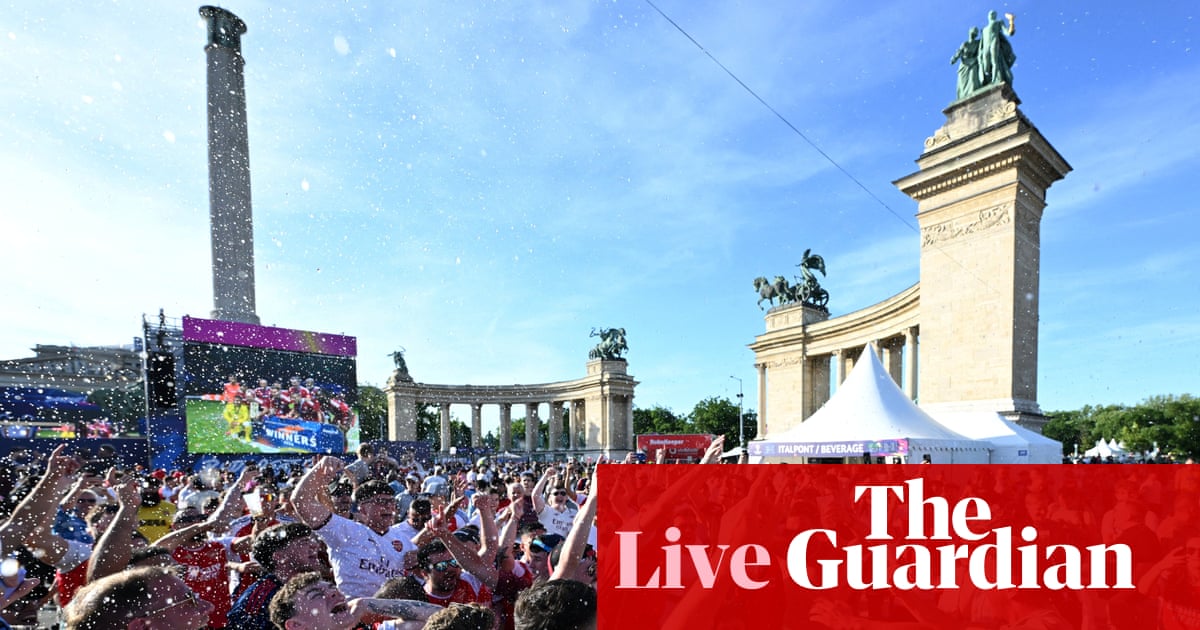
Budapest has become a logistical focal point, with reports from The Guardian highlighting the immense scramble for travel and accommodation among displaced Arsenal supporters. The sheer scale of the migration toward Hungary demonstrates how much this match has eclipsed standard domestic fixtures. It is no longer just about the trophy; it is about the legitimacy of Arteta’s project on the largest possible stage.
The skepticism regarding such a high-pressure final often centers on whether managers will retreat into defensive cowardice. We have seen champions crowned purely on low-risk ball circulation in the past. Yet, both sides have shown an inability—or perhaps an unwillingness—to sit back for long stretches. The first 15 minutes will likely dictate the tone, as Arsenal attempts to establish a passing rhythm while PSG probes for gaps in the defensive discipline of the visitors.
Managing the mental fatigue of a long, grueling season in the shadow of an upcoming world cup is also a factor. With the FIFA World Cup kickoff scheduled for June 11, these players have barely 12 days to recover after the final whistle in Budapest. International managers will be watching closely, hoping their marquee starters come through the match without injury or a total psychological collapse. This is the ultimate test of readiness and professional focus.
Read Next
- Arsenal vs PSG: Why tactical rigidity will determine the European champion
- Arsenal need more than Havertz's history to unlock PSG
- Arsenal and PSG are locked in a high-stakes standoff in Budapest
- Arsenal are finally at the summit but the PSG final is pure anxiety
- ⚽ Ligue 1 2025-26 — PSG, Monaco & the Title Race Hub
- ⭐ UCL 2026 — Champions League Quarter-Finals Hub
Roku Express 4K+ | Streaming Player
Never miss a Premier League kickoff with crystal clear 4K streaming.
Frequently Asked Questions
When and where is the 2026 Champions League final taking place?
What is the primary tactical difference between Arsenal and PSG?
How does Arsenal plan to defend against PSG's transition game?
What is the biggest defensive vulnerability for Arsenal in this match?
How does PSG prioritize their passing strategy?
More Coverage
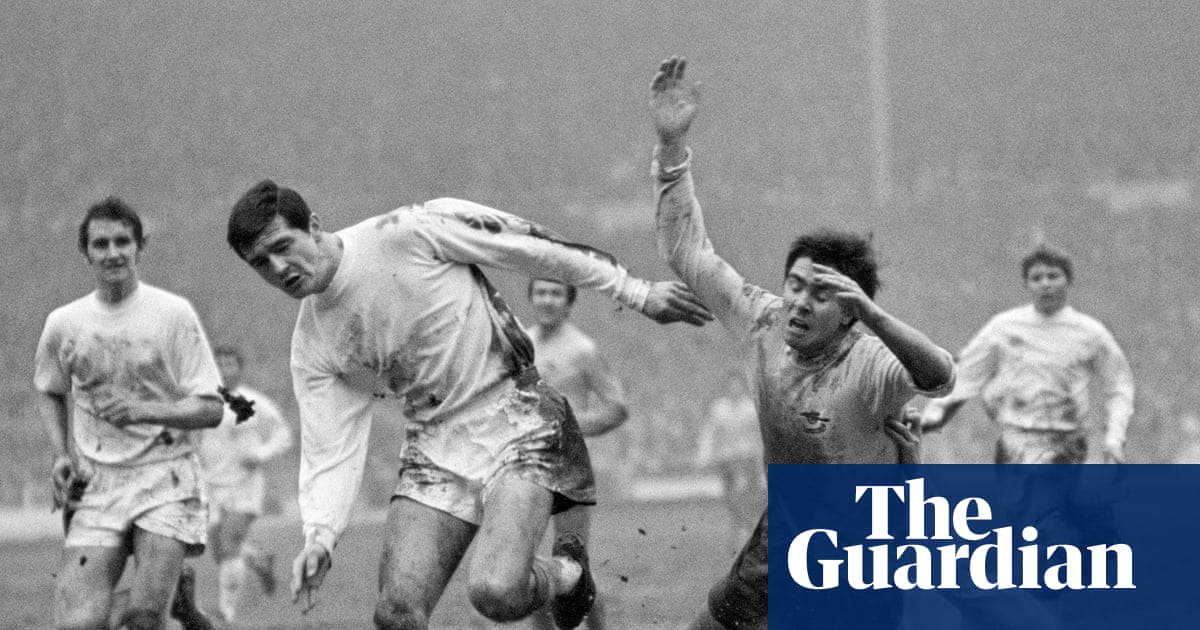
Arsenal fans are losing their minds ahead of the Champions League final
an hour ago
Arsenal’s Champions League final quest hinges on defensive discipline
an hour ago
Arsenal and PSG are locked in an administrative war before a ball is even kicked
4 hours ago
Why Liverpool must be wary of the Yan Diomande Bundesliga trap
7 hours ago
Adam Wharton emerges as top summer target for Arsenal's midfield evolution
10 hours ago
Manchester United are chasing ghosts with the Leao pursuit
11 hours agoMore Analysis

Arsenal and PSG are locked in a tactical chess match for the trophy
15 hours ago
Arsenal vs PSG: Why the Budapest final hinges on midfield control
2 days ago
Arsenal's structural machine is ready to break PSG in Budapest
5 days, 22 hours ago
Arsenal are primed to break their Champions League curse against PSG
5 days, 22 hours ago