Defensive stability shifts under injury strain
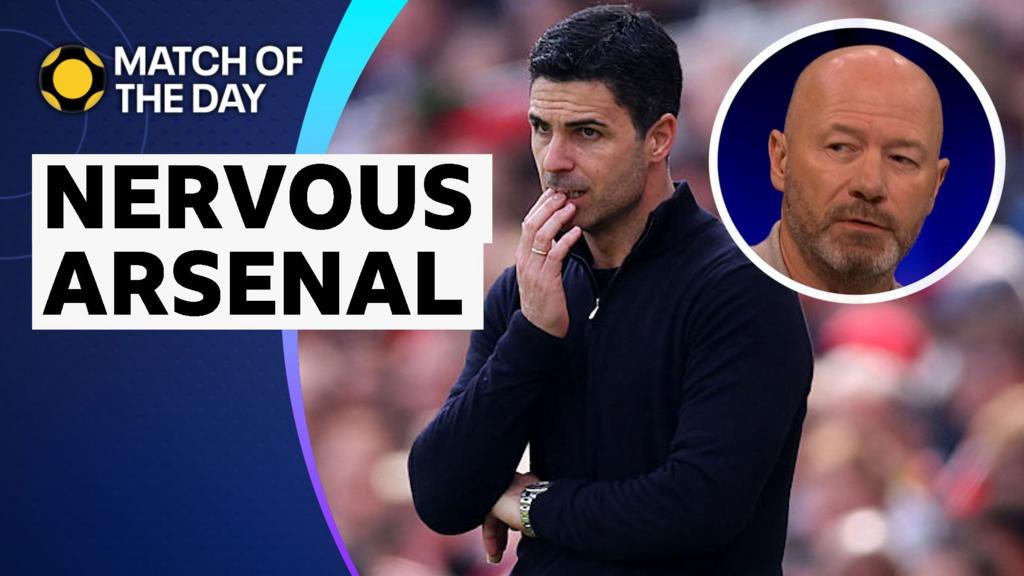
Arsenal are managing a tightening injury list as the club enters the final, most demanding stretch of the Premier League season. Mikel Arteta faces personnel shortages that threaten to derail their current momentum. With crucial fixtures mounting, the medical department is working overtime to clear players for the pitch.
The current situation centers on the squad's defensive rotation and midfield pivot roles. As Sky Sports reported, the internal assessment has highlighted specific muscle fatigue issues requiring immediate intervention. Arteta’s preference for a high-intensity, press-heavy game has left key starters vulnerable to soft-tissue complications.
The cost of tactical rigidity
Arsenal’s reliance on a narrow core of players has backfired periodically when fitness levels drop. The tactical approach requires full-back overlapping from the first minute to the 95th minute. This demand is showing clear signs of strain on the current group.
Historically, Arsenal has struggled to balance bench depth with consistent stylistic output during April. When depth players are forced into the starting XI during cup runs, the drop-off in transition speed is apparent. It is a recurring failure in their recruitment strategy, often leading to points dropped against mid-table opposition in the spring.
Tactical implications for upcoming fixtures
The immediate calendar leaves zero room for recovery. With the Champions League quarter-final first leg arriving on April 07, the medical staff has restricted training loads for those carrying knocks. Arteta’s willingness to experiment with the defensive line will define the coming weeks.
If the rotation fails to provide cover, expect a shift to a more conservative mid-block. This would represent a departure from their usual high-press identity. For a team built on suffocating the opponent's build-up play, this transition creates significant structural risks.
Competitive fallout and risk management
Competitors are certainly taking note of the squad’s thinning thinness. Rival analysts suggest that Arsenal’s lack of a reliable rotation for the holding midfield position limits their ability to manage game states. If a key pivot player misses time, the entire defensive structure becomes porous.
The club has attempted to address this with specific conditioning protocols. These routines are designed to maintain power output while minimizing strain. Whether these preventative steps are successful depends less on advanced data and more on individual recovery windows. The margin for error is now effectively zero.
Analyzing the return timeline
Current estimates place the most significant returns within the 14-day window. This targets mid-April for full squad availability, coinciding with the return legs of their European campaign. Any setback before then could be disastrous.
The team’s reliance on high-speed tactical transitions remains their heartbeat. If players are not at 100 percent load-bearing capacity, the risk of re-injury is statistically higher in the first three games upon return. This is the primary concern for the coaching staff as they plan the next ten days.
A critical look at the medical department
The frequency of muscle-related issues suggests a potential flaw in training load management or squad planning. Relying on a core of 14 players is unsustainable in modern football. While the squad boasts quality, the inability to rotate without losing points remains a systemic concern that has not been addressed in the last two transfer windows.
Management must decide whether to prioritize the short-term trophy chase or long-term player health. Betting on the former has historically led to extended absences. The upcoming league results will determine if this gamble pays off or leaves the club empty-handed by mid-May.