The Receipts Are Being Pulled
The timeline is an absolute warzone this morning. Arsenal supporters have spent the last four hours digging up old tweets, burying their enemies, and reliving the darkest periods of the late 2010s.
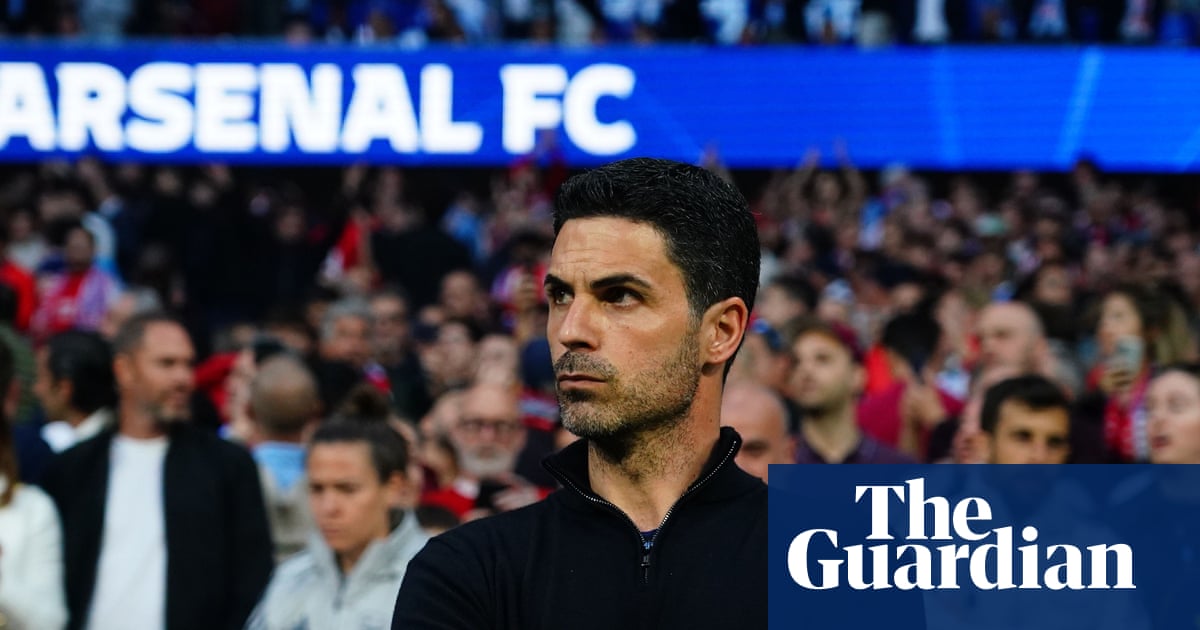
This chaos was triggered by The Guardian's retrospective on Mikel Arteta, a piece that details exactly how the club navigated the early, miserable days of his tenure.
The article opens with a detail that fans are treating like a movie script. It reveals exactly how the hiring went down behind closed doors.
On a crisp December night in 2019 at about 1am in a Manchester suburb, Vinai Venkatesham stepped out of Arteta’s home. The Arsenal managing...
That visual—an executive sneaking out of a house at 1am—has sent the fanbase into overdrive. The day-one Arteta defenders are parading this article around the internet like a trophy. They view it as total vindication for sticking with a manager when the rest of the world thought he was wildly out of his depth.
But the reaction is far from unified. For every smug supporter posting apology forms, there is a vocal contingent reminding everyone exactly why the fanbase was so utterly toxic back in 2020.
The "Trust The Process" Smugness
If you visit the main Arsenal subreddit right now, the front page is practically glowing with self-satisfaction. The loudest voices are the ones who claim they saw the vision from day one.
These fans are actively hunting down old threads from 2021. They are replying to five-year-old comments just to laugh at users who begged the club to hire Antonio Conte or Brendan Rodgers.
One heavily upvoted post completely rejects the idea that the fans were wrong to be impatient. It argues that the modern internet simply lacks the attention span for a genuine rebuild. According to this camp, Arsenal's current success is a direct result of ignoring the loudest, most hysterical voices in the room.
They point to the total cultural reset at London Colney. They highlight the absolute removal of massive egos. The Aubameyang exile, the Mesut Özil freezing out, and the termination of bloated contracts are now viewed as necessary amputations.
The Tactical Trauma Responses
However, scroll a bit further down, and the mood completely shifts. A massive chunk of the fanbase absolutely refuses to let the day-one defenders rewrite history. They are violently rejecting the narrative that the early days were just a misunderstood masterclass.
These fans are posting screenshots of the infamous "horseshoe of death" passing networks. They are vividly recounting the string of games where Arsenal literally could not create a single chance through the middle of the pitch. They remember the endless, meaningless crosses into the box against low-block defenses.
One user perfectly summarized this counter-argument by listing the starting eleven from a random November match in 2020. The midfield consisted of Dani Ceballos spinning in circles while Willian slowly jogged down the right flank. It was football terrorism, and these fans demand acknowledgment that their complaints were completely valid at the time.
They argue that wanting Arteta sacked after the Villarreal Europa League exit wasn't reactionary. It was the only logical response to watching a team play completely paralyzed football while crashing into 8th place.
The Ownership Debate
The Guardian article heavily credits the club's owners, the Kroenkes, for staying the course. This specific angle has sparked the most intense debate across social media today.
The pro-board faction is arguing that Josh Kroenke deserves an immense amount of credit. They believe the ownership group recognized Arteta's raw talent and provided a shield against a brutally impatient media environment.
But the skeptics are pushing back hard against this corporate PR spin. A very popular counter-theory is currently dominating the replies on Twitter. Many fans suspect the Kroenkes didn't keep Arteta out of some profound tactical belief. Instead, they kept him because firing another manager and paying off his massive coaching staff would have been too expensive during a pandemic-hit financial window.
This cynical view argues that Arsenal accidentally stumbled into long-term stability purely out of financial hesitation. Whether by accident or design, the contrast with the rest of the league is staggering.
Where Arteta Actually Failed
We cannot ignore the valid criticisms still being raised in these comment sections. Even the most ardent Arsenal supporters admit that Arteta's journey was heavily flawed, and some of his early mistakes cost the club dearly.
Fans are rightly pointing out his incredibly poor initial talent identification. The decision to bring in Willian on massive wages remains a black mark. The club wasted years trying to make Cedric Soares a viable rotation option. These were not the moves of a mastermind; they were desperate, confusing errors that actively hindered the rebuild.
Furthermore, his stubbornness regarding substitutions remains a massive sticking point today. Even now, critics in the comments note how he routinely waits until the 82nd minute to make a change when the team is chasing a deficit. His early cup records were atrocious, and he often threw away domestic trophies by fielding wildly unbalanced, heavily rotated squads.
Real journalism requires pointing out these blind spots. Arteta learned on the job, and Arsenal fans paid the price for his harsh learning curve through several agonizing seasons.
The Rival Fan Meltdowns
Perhaps the most entertaining part of this entire online discourse is the reaction from rival fans. They are reading this retrospective and completely losing their minds.
Manchester United fans are filling the quote tweets with comparisons to Erik ten Hag. They are staring at Arsenal's multi-year project and wondering why their own club cannot commit to a single coherent ideology. Every United thread eventually devolves into a miserable debate about whether they should have endured the pain or if their squad is just fundamentally broken.
Chelsea fans, meanwhile, are just depressed. They are looking at their chaotic, billion-pound squad assembly and realizing they change managers faster than Arsenal changed their away kits. The stability described in the article is entirely foreign to Stamford Bridge.
Ultimately, the internet remains completely divided on the legacy of the rebuild. But one thing is absolutely clear from reading thousands of fan reactions today. The people who suffered through the 2020 tactical misery are going to make sure nobody ever forgets it, while the people who backed the manager are never going to shut up about being right.
Read Next
- Pep Guardiola is leaving Man City and the transfer market will freeze
- Pep Guardiola is leaving Man City—and Arsenal could win the title tonight
- Why the Premier League fixture release is a 26/27 ticking time bomb
- Arsenal's title win is only the start as Pep Guardiola walks away
- ⭐ UCL 2026 — Champions League Quarter-Finals Hub