The shadow of July 19
In exactly 22 days, the 2026 FIFA World Cup kicks off across North America. The final will be played on July 19 in New Jersey. Yet, back in the air-conditioned offices in London, the Premier League’s scheduling department is preparing to release a schedule that completely ignores that brutal reality.
The upcoming announcement of the 2026/27 fixture list is traditionally a day for blind optimism. Fans eagerly scan the schedule for Boxing Day away trips, the location of the opening weekend, and the shape of the final day run-in. It is usually an exercise in mapping out a nine-month journey.
But this year, the release of the schedule is a tactical death sentence for whoever goes deep into the summer. The fixture list is no longer just a calendar. It is a map of where the landmines are buried.
Think about the sheer mathematics of the timeline. If a player reaches the semi-finals of the expanded 48-team World Cup, their season ends in mid-July. The Premier League will almost certainly start its engine in mid-August. That leaves a window of roughly three weeks.
Three weeks to decompress from a major international tournament, take a legally mandated vacation, complete a laughably truncated pre-season, and attempt a physical reset before the domestic grind begins anew.
The myth of the August reset
We saw the consequences of calendar congestion after the winter World Cup in Qatar, but this incoming scenario is distinctly worse. Qatar violently split the season in half, forcing a mid-year peak. North America 2026 bleeds directly into the start of a new, gruelling domestic marathon.
Managers across the top tier are already preparing for an August where half their squad is entirely unavailable or running on fumes. You cannot execute a high-intensity, man-to-man press when your midfield engine room just spent six weeks crossing multiple time zones and playing in suffocating humidity in Dallas, Miami, and Monterrey.
This is exactly why the fixture computer becomes the single most important tactical factor of the autumn. The algorithms generating these match-ups hold the fate of the title race in their code.
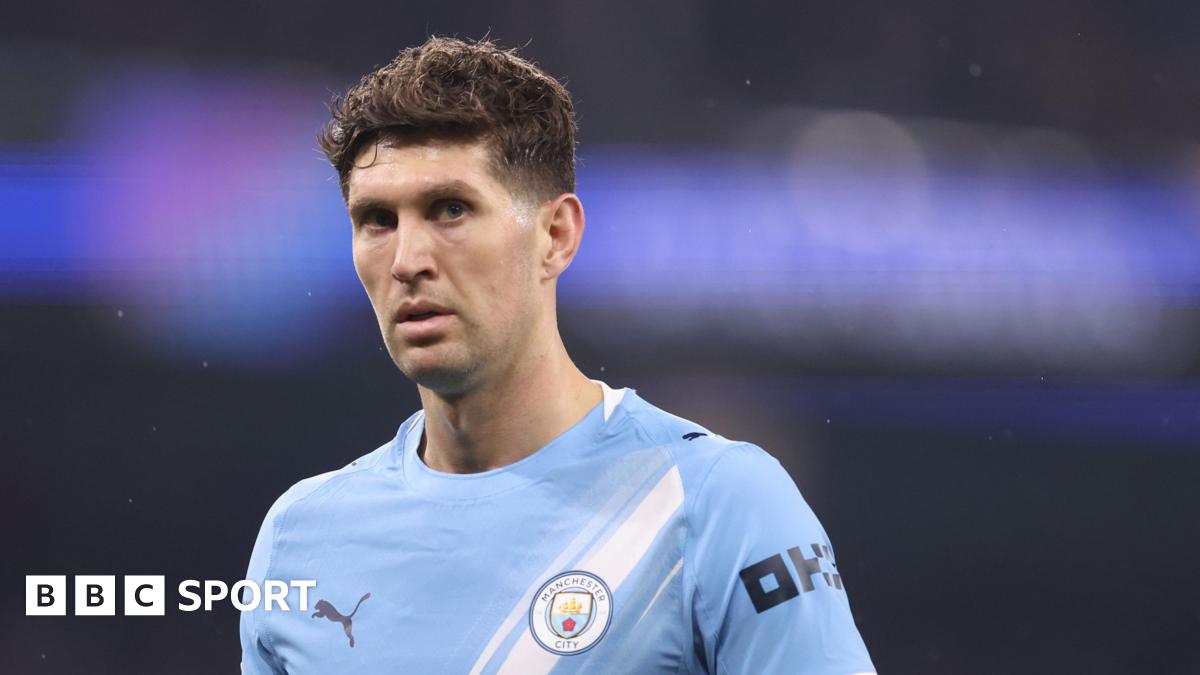
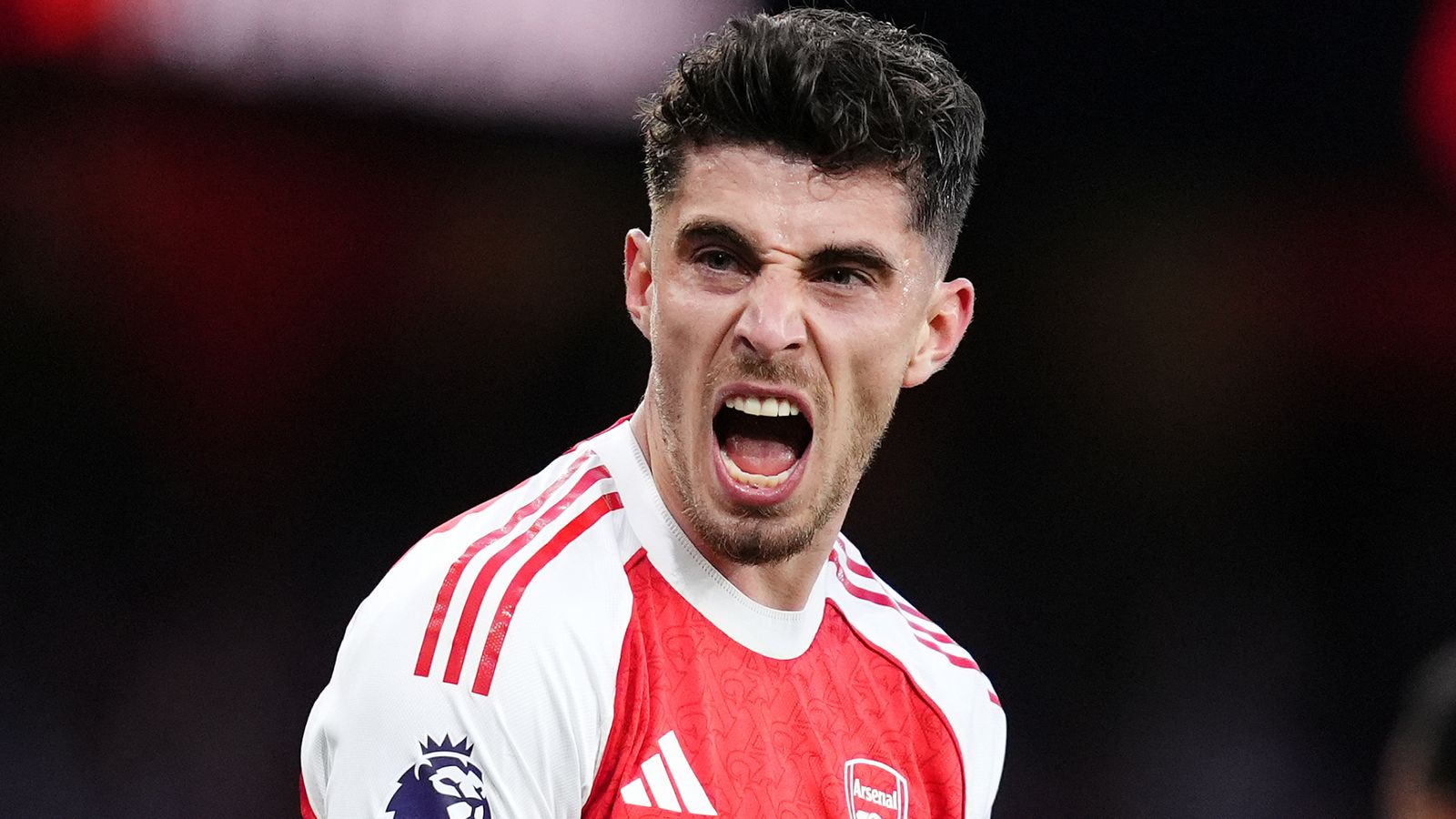
If a team like Arsenal or Manchester City is handed three fixtures against aggressive, low-block counter-attacking sides in the opening month, they will inevitably drop points. You cannot ask William Saliba or Rodri to sprint back towards their own goal 15 times a match when their legs are filled with lead from a summer in the Americas.
It is physically impossible to maintain a high line when the recovery metrics in the sports science department are flashing red.
The tactical concessions of exhaustion
So, what actually happens on the pitch when the whistle blows? We are going to see a drastic, unavoidable drop in pressing intensity during the first six weeks of the 26/27 campaign. The managers have to adapt. The alternative is a catastrophic soft-tissue injury crisis before the first international break even arrives.
Expect top-half teams to drop into a mid-block much earlier in games. The days of hunting in packs for 90 minutes, of suffocating the opposition in their own defensive third, are suspended until at least October. Instead, possession will be weaponized as a purely defensive tool.
Teams will hold the ball simply to rest on it, passing sideways across the back four rather than aggressively probing for an opening. The tempo will crawl. It will be jarring to watch.
This tactical retreat hands a massive, unearned advantage to the clubs with minimal international representation. The mid-table sides who report for pre-season duty in early July, run up the hills, and build a proper base layer of fitness will start the season looking vastly superior physically.
A well-drilled side like Brentford or Bournemouth, armed with players who watched the World Cup from a beach, will run over exhausted Champions League contenders in the opening weeks. They will be sharper to the second balls. They will win the duels. They will dominate the transition moments.
The commercial masquerade of summer tours
Further compounding the physical issues is the commercial reality of modern football. Clubs are not using the brief summer window to rest. They are using it to monetize their global fanbases.
Despite the obvious need for recovery, the major clubs will still drag their depleted squads on lucrative pre-season tours across Asia and the United States. They will play meaningless exhibition matches on artificial turf in baseball stadiums, purely to satisfy sponsorship obligations.
Imagine the absurdity. A player who exits the World Cup in late June will be forced onto a long-haul flight two weeks later to play a friendly against a domestic rival in a different time zone. The jet lag alone wipes out any physiological benefit of the supposed rest period.
These tours disrupt whatever fragmented tactical preparation a manager can actually cobble together. You cannot build team cohesion when half the starting lineup is on vacation and the other half is fulfilling media duties in Tokyo or Los Angeles. It is a commercial masquerade disguised as sporting preparation.
This is why the fixture list release is viewed with such anxiety by the coaching staff. They know they are entering a gunfight with a water pistol. They know their players will be undercooked, underprepared, and vulnerable.
The failure of the football calendar
This brings us to the core, uncomfortable issue that the broadcasters prefer to ignore. The refusal of the English football authorities to mandate a delayed start or a structurally significant winter break for the 26/27 season is gross negligence. They are knowingly, willingly degrading the quality of their own product.
We are constantly fed press releases about how player welfare is a top priority, yet the scheduling tells a starkly different story. The multi-billion-pound television contracts demand 10 solid months of inventory, and the players are the ones carrying all the physical risk.
It is a fundamental failing of leadership at the highest levels of the game. You cannot add more teams to the World Cup, add more games to the Champions League, and expect the domestic calendar to remain untouched. Something has to give, and usually, it is a player's hamstring.
When the fixtures are released, look closely at the midweek slots. Look at the turnaround times between Wednesday night European away days and Saturday lunchtime kick-offs. The margins for error have never been slimmer.
The five-substitute dynamic
One mitigating factor will be the use of the bench. The five-substitute rule, initially a pandemic-era sticking plaster, is now the most vital tool in a manager's arsenal. But using it effectively requires a squad depth that very few clubs actually possess.
We will see games heavily fractured in the 60th minute. Managers will not wait for legs to tire; they will make pre-planned, structural changes on the hour mark. Entire front threes will be swapped out. Midfield pivots will be refreshed in unison.
This turns the Premier League into a game of two halves in a very literal, tactical sense. The starting XI will be tasked with securing a lead at a walking pace, and the replacements will be asked to lock the door. If your bench consists of untested academy graduates, you will sink rapidly.
Navigating the autumn bottleneck
The congestion only thickens as autumn arrives. The expanded European formats guarantee more group stage fixtures. When you overlay the domestic cups and the mandatory international breaks, the calendar becomes a solid wall of football.
There are no training days. There are only recovery days and match days. The tactical work has to be done in the video room because the players simply cannot handle the physical load of tactical drills on the grass.
This environment heavily favors managers who rely on established, ingrained systems. A newly appointed manager, trying to teach a complex positional play philosophy in August 2026, is doomed to fail. There is no time to teach. There is only time to survive.
What to actually look for on release day
When the dates drop on Sky Sports, do not get distracted by the glamorous derbies. Do not look for when Manchester United plays Liverpool. Look strictly at the opening three weeks of the campaign.
Who draws the newly promoted sides when they are still riding the wave of adrenaline from the Championship? Who has to travel to a hostile ground on a Sunday afternoon after an early midweek fixture?
Identify the stretches where a team plays three consecutive away games. Find the brutal December clusters where four games are crammed into ten days.
The teams that survive August without burning through their medical staff will be the ones holding the trophy in May. The title will not be won in the opening month, but it can absolutely be lost there.
If you want a confident prediction for the 26/27 season before a single date is officially locked in, here it is: The team with the fewest starting players in the World Cup quarter-finals will be leading the Premier League table at the end of September. They will rack up points against the exhausted elite. Mark it down.