The whistle that changed everything
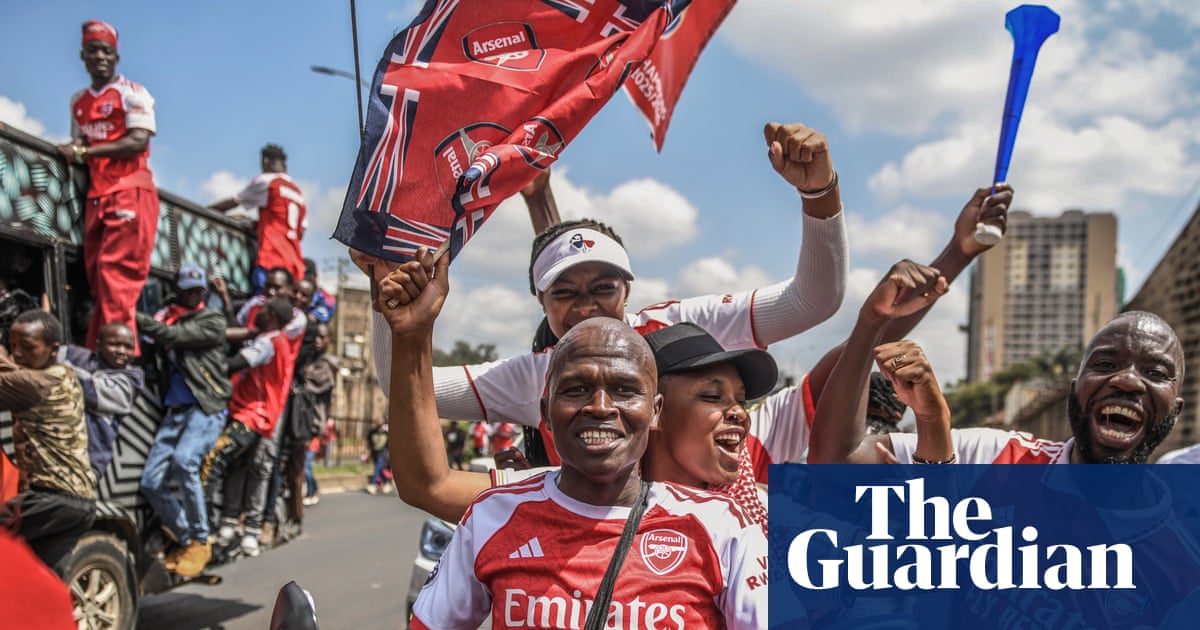
The final whistle at the Emirates didn't just signal the end of a grueling 38-game campaign. It marked the detonation of a long-standing hierarchy in English football. The celebrations were raw, exhausted, and deeply necessary.
Arsenal are Premier League champions. Mikel Arteta finally climbed the mountain that broke him twice before, overcoming the relentless pressure that has crushed so many title contenders. But the real earthquake happened off the pitch, with news from the Mirror confirming that Pep Guardiola is expected to leave Manchester City at the end of the season.
This is not a drill. The machine that has suffocated the league for nearly a decade is about to lose its engineer. Arsenal have kicked the door open, and now the entire building belongs to them. The power shift we are witnessing is monumental, altering the trajectory of the English game for the next five years.
For so long, Arsenal were the plucky challengers. They played brilliant football but lacked the cold, ruthless edge required to unseat a dynasty. That narrative died the moment they lifted the trophy. They are no longer the hunters. They are the apex predators of the Premier League.
The tactical rewiring that broke City
We need to talk about how Arsenal actually won this title. It wasn't through sheer emotion or late-game chaos. It was achieved through cold, calculated control and a defensive structure that completely suffocated the opposition.
Arteta shifted his pressing triggers halfway through the season. Instead of initiating the press with the wingers, he dropped Kai Havertz slightly deeper and used Martin Ødegaard to cut off the central passing lanes. The Norwegian's work rate off the ball has been nothing short of extraordinary, acting as the trigger for every trap Arsenal set.
This forced opponents out wide, where Ben White and Takehiro Tomiyasu were waiting to snap the trap shut. It was a tactical strangulation. Arsenal stopped conceding transition chances. They killed the game state before the opposition could even register a threat.
Declan Rice played a massive role here. His ability to cover ground in the defensive transition allowed Arsenal to push their defensive line up to the halfway line without fear. His recovery pace masked any minor errors in positioning from the midfield line.
The data backs this up entirely. Arsenal's defensive action line moved forward by four yards compared to last season. That sounds marginal, but in elite football, four yards is the difference between a high turnover and a dangerous counter-attack. They strangled teams in their own defensive thirds.
We also cannot ignore the impact of set-piece coach Nicolas Jover. Arsenal turned corners and wide free-kicks into an absolute weapon, bludgeoning teams who tried to sit in a low block. When the open-play attacking patterns failed, they relied on Gabriel Magalhães attacking the near post with vicious intent.
The left-side malfunction
But let us not pretend this is a flawless team. There is a glaring issue on the left side of Arsenal's attack that needs immediate addressing before they step onto the pitch in Europe.
Gabriel Martinelli has struggled significantly with his decision-making in the final third. Too often, he receives the ball in isolation, slows the play down, and runs straight into heavy traffic. The dynamic, explosive winger we saw two years ago has looked hesitant and predictable.
The understanding between the left-back and the left-winger is fundamentally broken. When Oleksandr Zinchenko inverts into midfield, Martinelli is left stranded on the touchline without an overlapping run to pull defenders away. When Jakub Kiwior plays, the attacking support is virtually non-existent.
This creates a stagnant attacking phase. Arsenal end up recycling the ball back to the center backs, allowing the opposition to reset their defensive block. It becomes a U-shape of possession that looks pretty but achieves nothing.
It is a stark contrast to the right side, where Bukayo Saka and Ben White have an almost telepathic understanding. Saka is brilliant, but Arsenal are running him into the ground. If Arteta does not fix the left flank, elite European opponents will simply overload Saka's side and dare Arsenal to beat them elsewhere.
The defensive bedrock
If we want to understand how Arsenal will approach their next massive test, we have to look at their defensive floor. They simply do not leak cheap goals anymore. The chaotic defending that characterized the late Arsène Wenger and Unai Emery eras has been entirely eradicated.
Gabriel Magalhães has evolved into one of the most dominant box defenders in Europe. His partnership with William Saliba is the foundation of everything Arteta wants to do. While Saliba sweeps up the danger behind the line, Gabriel is the aggressor, stepping forward to win the first contact.
This dynamic allows Arsenal to sustain attacks for long periods. When an attacking move breaks down, Gabriel is already positioned on the halfway line, ready to intercept the clearance and put the opponent right back under pressure.
Opponents have realized that playing long balls over the top is a waste of time against this duo. The only way to hurt Arsenal is through quick, precise combinations in the half-spaces, which is exactly why Rice and Ødegaard work so hard to shut down those central areas.
If the defense holds its nerve on the biggest stage, Arsenal will always have enough attacking firepower to score at least once. It is a formula built for European success.
The looming Manchester City power vacuum
Guardiola's impending exit changes the math for everyone. City are losing a manager, yes, but more importantly, they are losing the brain of their entire footballing operation.
Everything at the Etihad is built around Pep's precise instructions. The positional play, the ball circulation, the way John Stones steps into midfield, the specific angles of De Bruyne's crosses. It is all choreographed by one man standing on the touchline.
Take that away, and what is left? A squad of brilliant players who have been drilled to play a rigid style of football. We saw a glimpse of this vulnerability in the final weeks of the season when the pressure mounted.
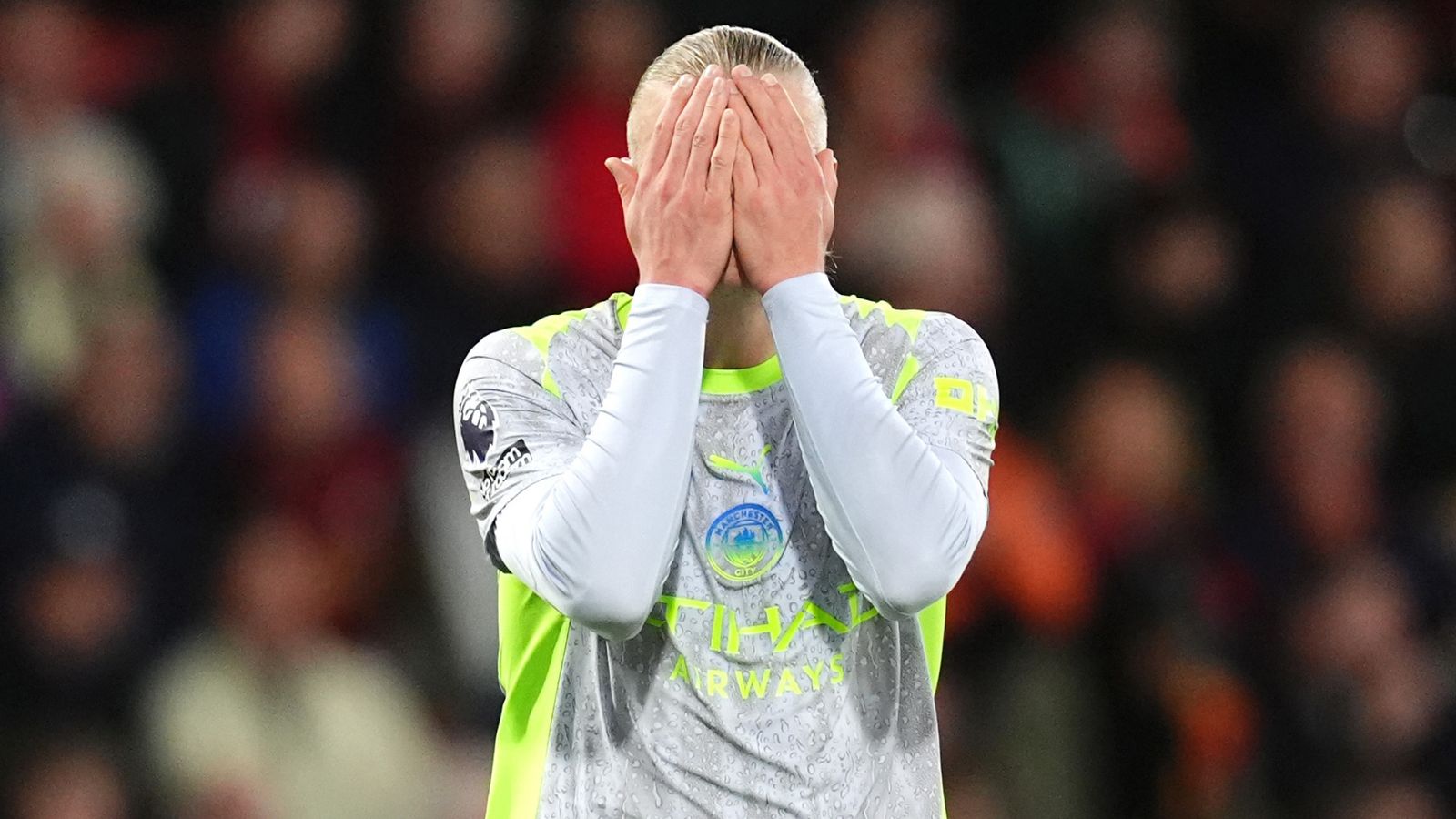
When the passing rhythm drops by a fraction of a second, City look mortal. Their high line gets exposed. Rodri gets isolated in the center of the pitch. Erling Haaland becomes a frustrated spectator, completely disconnected from the build-up play.
Furthermore, the age profile of the City squad is becoming a problem. Kyle Walker relies heavily on his recovery pace, which is beginning to wane. Kevin De Bruyne cannot play sixty games a season anymore. The rebuild is required at the exact moment the architect is walking out the door.
Arsenal smelled blood this year. They maintained their relentless pace, refusing to drop points when City started to stumble. The psychological barrier is permanently gone. Arsenal know they are the superior project now.
The Champions League Final preview
The domestic job is done. The Premier League trophy is in the cabinet. But the true coronation awaits in the Champions League Final on May 28.
This is where Arsenal must prove they are not just domestic bullies. They face a completely different tactical challenge on the continent. European knockout football requires a level of dark arts and pragmatism that Arteta's side has had to learn the hard way.
Will Arteta stick to his high-pressing principles, or will he drop into a mid-block and try to control the space? The key battle will inevitably be in the midfield transition. The game will be won and lost in the moments immediately after the ball changes hands.
If Rice and Ødegaard can dictate the tempo and disrupt the opposition's build-up, Arsenal will create high-quality chances. But they cannot afford the sloppy turnovers that plagued their quarter-final ties. In a final, one loose pass from Jorginho or Thomas Partey will be punished instantly.
William Saliba will be the most important player on the pitch. His recovery pace allows Arsenal to play that incredibly high line. If he has an off day, or if he gets caught stepping out too early, the entire defensive system collapses behind him.
David Raya's sweeping abilities will also be tested. He will need to operate almost as a third center-back in possession, baiting the press to open up passing lanes to the fullbacks. His distribution under pressure must be flawless.
The physical toll and mental state
We must consider the physical state of this squad. The title race required an enormous expenditure of energy. The emotional high of winning the league must be quickly compartmentalized.
Saka has played an absurd amount of minutes this season. He often looks like he is dragging his body through the final twenty minutes of matches. Arteta has gambled on his fitness week after week, and so far, it has paid off.
But a final is a different beast. The adrenaline will carry them through the first hour, but the heavy legs will show in the closing stages. Arteta's use of his substitutes, specifically Leandro Trossard and Gabriel Jesus, will be vital.
They have eight days to recover, reset, and prepare. It is enough time to clear the lactic acid, but the mental fatigue of a nine-month war with Manchester City cannot be erased with a few days off.
Prediction
Arsenal will head into the Champions League final with supreme confidence. The Premier League title win has unlocked a new level of belief within this squad. They know they can handle the pressure.
The left-side attacking issues are a genuine concern, but Arteta is smart enough to devise a workaround for a one-off game. Expect a cagey, tactical first half, with Arsenal trying to control possession and limit any transition opportunities.
As the game opens up in the second half, the superior fitness and tactical discipline of this Arsenal team will take over. Saka will find space on the right. Rice will physically dominate the midfield battles, winning the second balls that swing momentum.
Arsenal will grind out a tight, nervous victory. They are simply too structurally sound to be broken down easily. The European crown is coming to North London.
Prediction: Arsenal win 1-0 in regular time. A second-half header from Gabriel off a corner decides the match.