The end of the North London residency
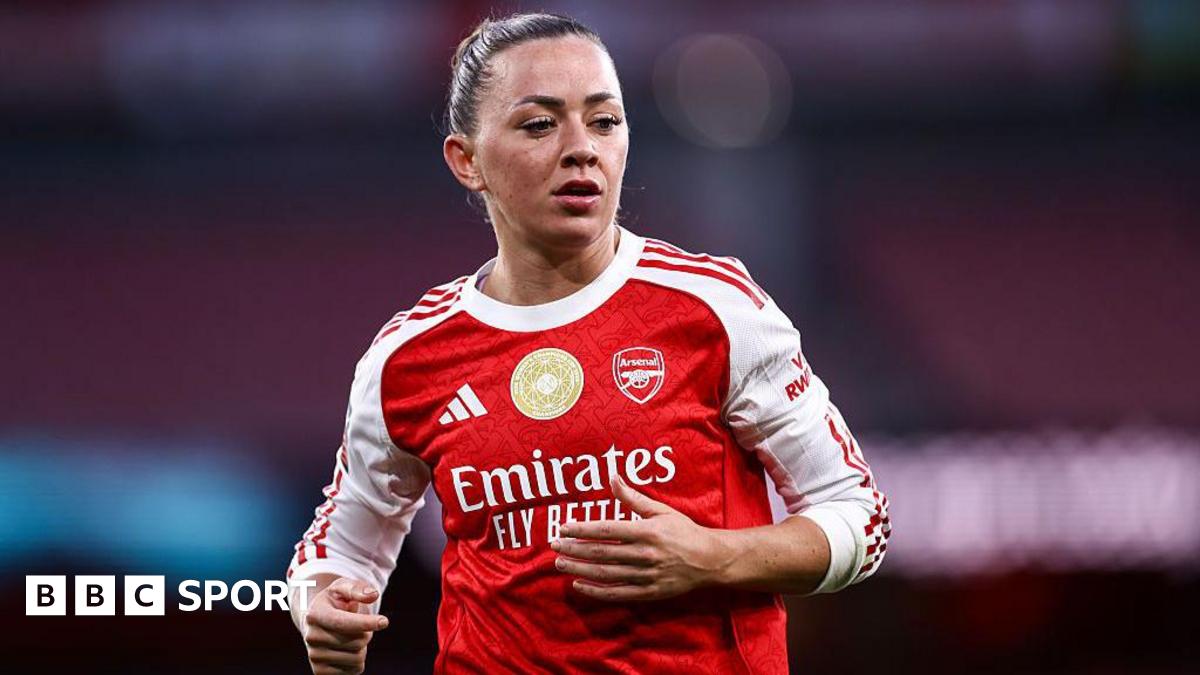
Football moves at the speed of a Bukayo Saka sprint, but some things felt like they were permanent. The sun rises in the east, the Northern Line is always delayed, and Beth Mead wears the Arsenal red. Except, as of Monday morning, that last one has an expiration date. According to The Guardian, the England forward is packing her lockers at London Colney and heading for the exit after nine trophy-laden years in the capital.
If you aren't feeling a bit of a sting in your chest right now, you probably don't have a soul or you're a Chelsea fan. Probably both. Mead isn't just a player; she is the connective tissue between the old-school semi-pro days and the sold-out Emirates Stadium era. She arrived as a prolific kid from Sunderland and leaves as a bonafide icon of the British game. It is the end of a residency that defined a decade of Arsenal Women's football, and frankly, it feels weird.
The club tried to put a brave face on it with the usual PR fluff. They called her a special person who will always be welcome. That is basically the football equivalent of a 'it's not you, it's me' breakup text where you know you're losing the best thing that ever happened to you. Her contract is up this summer, and the two sides couldn't find a middle ground. Now, we are left staring at the departure of a player who has been the heartbeat of the dressing room since 2017.
From Sunderland standout to Highbury royalty
Let's talk about the journey because it is staggering. When Mead joined from Sunderland, she was a pure striker who treated goals like they were going out of fashion. She had to reinvent herself. Under different managers, she moved out wide, became a playmaker, and basically mastered the art of the 'Mead-o' special—that curling delivery that makes defenders look like they're trying to solve a Rubik's cube in a wind tunnel.
The stats don't lie, even if they don't tell the whole story. We are talking about 265 appearances for the Gunners. In a sport where players change clubs as often as they change their boots, that kind of longevity is basically prehistoric. She found the back of the net 86 goals times during that run. Think about that. Nearly a goal every three games while playing primarily as a winger for the last half-decade. That is elite production by any metric you want to throw at the wall.
She was the spearhead of the 2018-19 title-winning side, a team that played with a swagger we haven't quite seen since. Back then, it felt like Arsenal were going to rule the world forever. Mead was the engine. She wasn't just scoring; she was creating a vibe. She made Arsenal fun. She made the WSL something people actually wanted to watch on a rainy Sunday afternoon in Borehamwood. Without her, the league's growth would have been significantly slower, and that is a hill I am willing to die on.
The tactical shift and the trophy drought
Now, let's get into the stuff that might make people uncomfortable. While the sentiment is high, we have to look at the cold, hard reality of the last few seasons. Arsenal have been the 'Almost' team for too long. They have the resources, they have the stadium, and they have the fans, but the trophy cabinet has been gathering more dust than silverware lately. Mead has been great, but has the team outgrown this era, or has the club failed to build a functional unit around her?
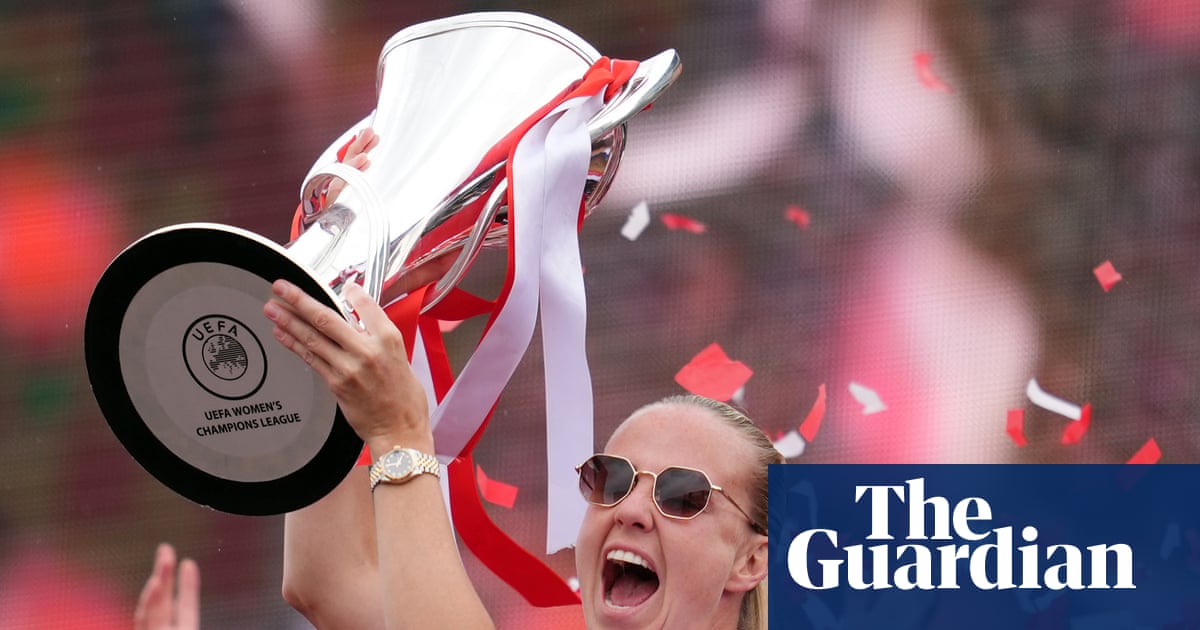
There is a legitimate argument that Arsenal wasted the peak years of Mead and Vivianne Miedema. You had two of the most gifted attackers in the history of the European game and you didn't turn it into a dynasty. That is a failure of recruitment and a failure of tactical imagination. While Chelsea were busy stacking their deck like a Vegas pro, Arsenal seemed content to rely on individual brilliance. Now, Mead is leaving on May 11 news cycles, and the cupboard looks increasingly bare in terms of that 'X-factor' leadership.
Her ACL injury in 2022 was a turning point. She fought back like a warrior, but the Arsenal she returned to was different. The league had gotten faster, more physical, and more cynical. There were games over the last twelve months where she looked like she was trying to carry the entire emotional weight of the club on her shoulders. That takes a toll. Maybe this exit isn't just about money or contracts; maybe it's about a player realizing she's given everything she has to a project that has stalled.
The Miedema-Mead ghost and the future
For a long time, 'Meadema' was the most feared partnership in the country. It was telepathic. It was beautiful. Now, both are gone. It feels like the club is tearing down a Victorian mansion to build a bunch of luxury glass apartments—it might be more 'efficient,' but it has zero character. Who is the face of Arsenal Women now? Who is the player that the kids are putting on the back of their shirts when they go to the Emirates?
The club is letting her walk away for zero pounds as a free agent. From a business perspective, that is a disaster. You are losing one of the most marketable athletes in the country for nothing. If a men's team let a club legend leave for free in their prime, there would be protests outside the stadium. In the women's game, we just shrug and say 'that's football.' It shouldn't be. Arsenal should have secured her future years ago, or at least found a way to make this transition less abrupt.
So, where does she go? Every big club in the world should be on the phone. Whether it's the NWSL in the States for a final big payday and some sunshine, or a move to a European giant like Barcelona to finally get that Champions League medal her career deserves. If she stays in the WSL and joins a rival like Manchester City or—God forbid—Chelsea, the Emirates might actually undergo a collective meltdown. Imagine Beth Mead scoring against Arsenal in a blue shirt. The simulation would officially be broken.
The legacy of the Yorkshire Spark
At the end of the day, Beth Mead represents a specific time in English football where everything changed. She was there when they were playing in front of 500 people, and she was there when they were playing in front of 60,000. She never changed her style. She stayed that same gritty, witty kid from Whitby who just happened to be able to kick a ball better than almost anyone else on the planet.
Her legacy isn't just the 86 goals. It's the way she conducted herself. It's the way she spoke out about the game's problems. It's the way she became the symbol of a national team's triumph. Arsenal fans will miss the goals, sure, but they'll miss the personality more. The WSL is becoming more corporate, more polished, and a bit more boring. Losing Mead is losing a massive chunk of the league's soul.
Arsenal now face a summer of massive uncertainty. They have to replace a legend, and they have to do it while the rest of the league is getting stronger. Good luck with that. You don't just find another Beth Mead at a scouting combine or by looking at a spreadsheet. You find a Beth Mead once a decade if you're lucky. Arsenal were lucky for nine years. Now, the luck has run out.
Read Next
- Arsenal face a massive tactical void after Beth Mead's departure
- Beth Mead's Arsenal exit leaves a massive tactical headache behind
- Beth Mead's Arsenal exit marks the end of an era in North London
- Chelsea are about to break the WSL by signing Khadija Shaw
- ⭐ UCL 2026 — Champions League Quarter-Finals Hub