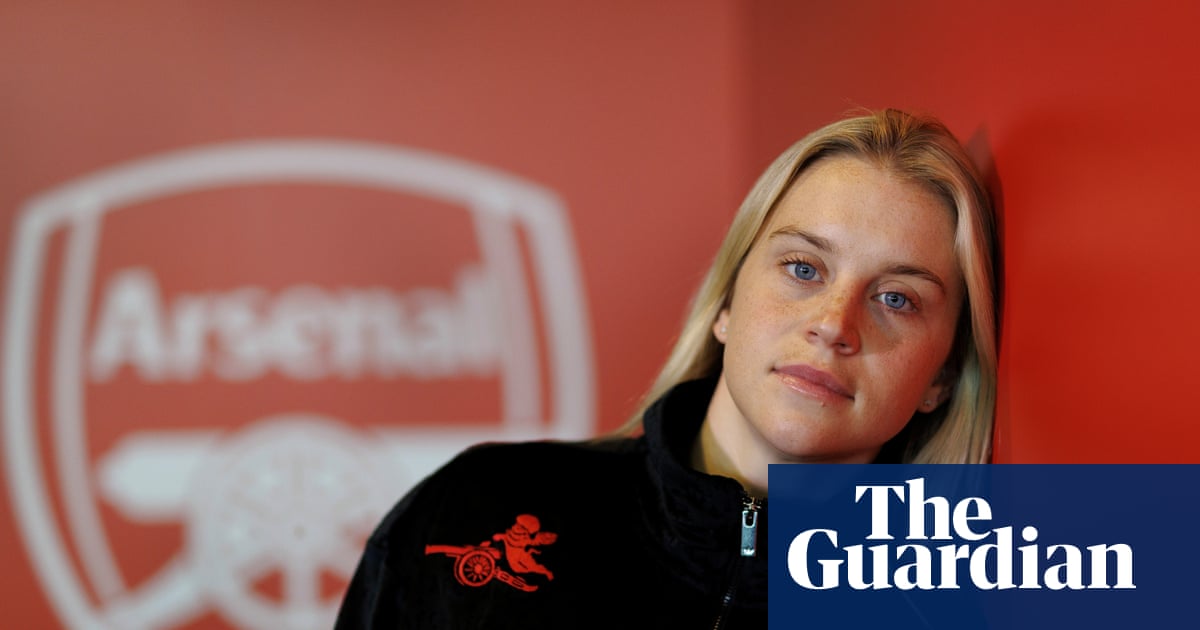
Arsenal have a happy problem with Alessia Russo but they need to pick a lane
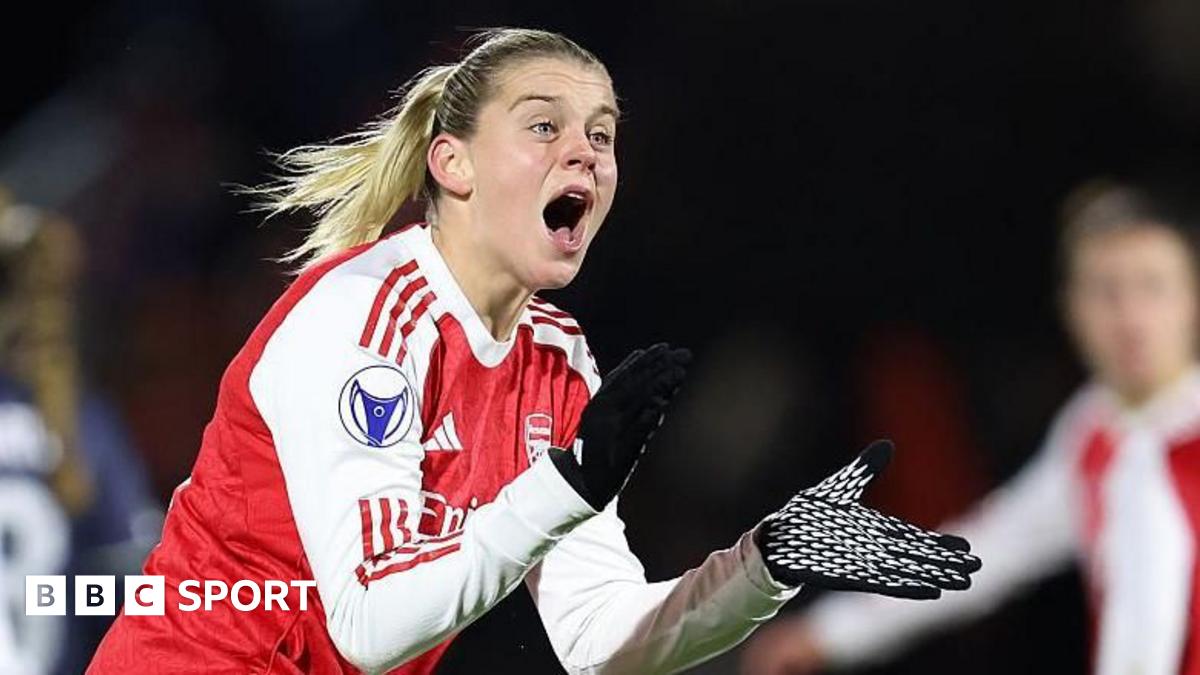
The 23-million-pound question haunting the Emirates
Stop me if you’ve heard this one before: a world-class talent arrives at a massive club for a record fee, and suddenly nobody knows where to put the furniture. Alessia Russo didn't just walk into Arsenal; she arrived with the kind of fanfare usually reserved for a returning war hero or a new iPhone launch. But as the season has ground forward, Jonas Eidevall has treated his star striker like a high-end multi-tool that he’s not quite sure how to unfold.
We’ve seen her leading the line as a traditional number nine, battling center-backs and living off scraps. We’ve also seen her dropped into the number ten role, trying to play the quarterback while everyone else runs routes. It is the classic footballing paradox where being good at everything eventually becomes a weird kind of disadvantage. If you can do everything, your manager will eventually ask you to do too much.
The debate over her best position isn't just tactical nerd-talk for the folks obsessed with heat maps. It is about whether Arsenal are actually getting their money's worth from a player who should be the focal point of the entire project. When she’s playing deep, the box looks empty. When she’s playing high, the service is occasionally non-existent. It’s a frustrating loop that has left fans wondering if the tactical flexibility is actually just a lack of conviction.
The Number Nine identity crisis
Look at the tape from the 2-0 win against West Ham earlier this season. Russo was isolated, a lonely island in a sea of defenders, waiting for a cross that rarely arrived with any real quality. She has the physical profile to be the bully in the box, the kind of striker who turns half-chances into highlight reels. But Arsenal’s system often demands she drops deep to link play, which is fine until you realize there’s nobody left in the danger zone to actually finish the move.
There is a massive difference between a striker who links play and a midfielder who happens to wear a striker's number. As the BBC recently analyzed, her effectiveness fluctuates wildly depending on where she starts her runs. When she's allowed to stay central and occupy defenders, the entire Arsenal attack gains a gravity that pulls opposition structures apart. When she wanders into the half-spaces to find the ball, she becomes just another player in a crowded midfield.
The problem is that Russo is too unselfish for her own good. Most elite strikers have a streak of pure, unadulterated narcissism that keeps them within twelve yards of the goal at all times. Russo wants to help. She wants to be involved in the build-up. She wants to make that third-man run. But every time she drops forty yards to receive a short pass, a defender somewhere in the WSL breathes a massive sigh of relief.
The Playmaker Trap
Dropping Russo into the number ten role feels like a galaxy-brain move that sounds great in a tactical meeting but gets messy on grass. Yes, she has the vision. Yes, she can thread a needle with a through-ball that makes you want to stand up and applaud. But Arsenal already have creative engines; what they don't have is another Alessia Russo to finish the chances that Alessia Russo creates.
It’s a bit like buying a Ferrari and using it to tow a caravan. Sure, it has the horsepower to do it, but you’re missing the point of why the car exists in the first place. When she plays behind another striker, the spacing gets weird. The passing lanes get clogged. You end up with a lot of possession in areas that don't actually scare anyone, while the opposing goalkeeper spends most of the afternoon checking their watch.
The stats tell a story of a player caught between two worlds. Her touches in the opposition box are down when she’s deployed deeper, which is the most obvious outcome in the history of the sport. You cannot be the architect and the skyscraper at the same time. Eidevall needs to decide if he wants a playmaker who can score or a scorer who can play. Right now, he's trying to have both and getting a diluted version of each.
The verdict on the Russo rotation
Let's be real: the rotation isn't working as well as the coaching staff wants us to believe. There have been moments where the attack looked static, lacking the verticality that Russo provides when she's playing on the shoulder of the last defender. The fluidity is great on paper, but in reality, it often looks like a team that doesn't know where its goals are coming from. It’s a multi-million pound investment that feels like it's being used as a tactical band-aid.
The best version of this Arsenal team has Russo at the tip of the spear, period. Let the midfielders worry about the creative geometry. Let the wingers worry about the width. Russo needs to be the one making center-backs miserable for ninety minutes. If she spends the rest of the season playing as a glorified central midfielder, Arsenal are going to find themselves looking at the trophy cabinet from the outside again.
It’s time to stop the experiments and let the best striker in the country do what she was bought to do. Football isn't always about finding the most complex solution to a simple problem. Sometimes, you just put your best finisher in the box and let the magic happen. Anything else is just overthinking it until the opportunity passes you by.
Read Next
- Leicester City's survival hopes take another hit
- Nwaneri's Marseille reality check proves he isn't ready for 90 minutes
- St. Louis City's pressing traps will expose Nashville's midfield spacing
- Why Craig Bellamy’s tactical evolution makes him a dark horse for a top job
- ⭐ UCL 2026 — Champions League Quarter-Finals Hub
PUMA Men's Manchester City F.C. Home Replica Jersey 2023/24
Rep the champs with the official home kit from their historic season.
Frequently Asked Questions
Why is Alessia Russo's positioning at Arsenal a concern?
How has manager Jonas Eidevall used Alessia Russo this season?
What happens to Arsenal's attack when Russo drops deep to link play?
Why does the author suggest Russo is too unselfish for a striker?
What should Arsenal prioritize to maximize Russo's effectiveness?
More Coverage
Lincoln City just entered the weirdest experiment in League One history
3 hours ago
Ella Toone is the most realistic window into the modern footballer's life
3 hours ago
Arsenal’s title win has changed the math for London football
5 hours ago
Gareth Taylor is finally proving his skeptics wrong at Manchester City
6 hours ago
Emily Cassap represents a shift in Northern Ireland's tactics
9 hours ago
Why United must prioritize Ederson to reclaim their midfield
10 hours agoMore Match Reports
Alessia Russo is Arsenal's Swiss Army knife and it might be a problem
2 months ago
Arsenal are playing Russian Roulette with Alessia Russo's best position
2 months ago
Arsenal tore Spurs apart but their defensive flaws will cost them in Europe
2 months ago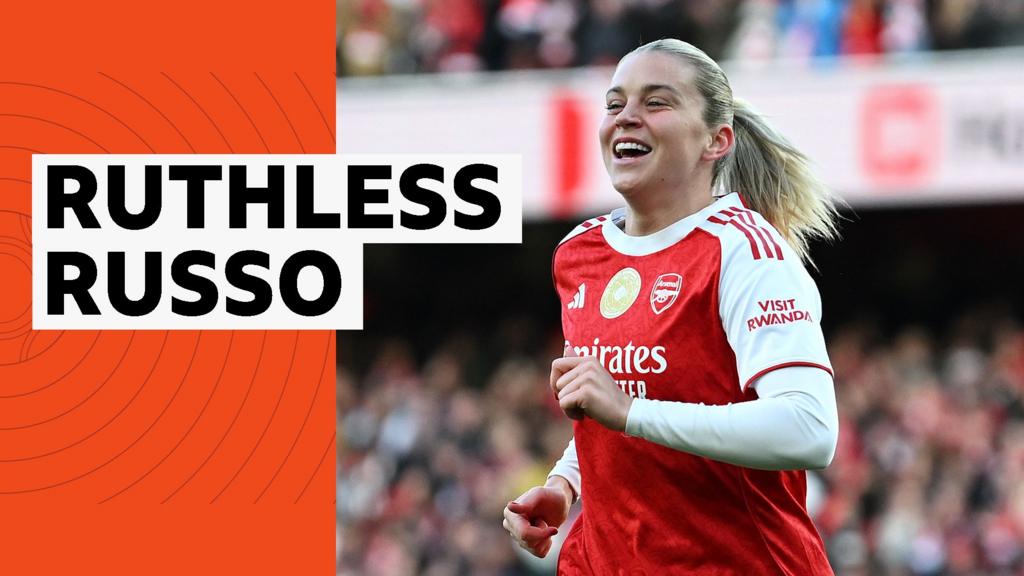
Alessia Russo just ended the Arsenal number nine debate
1 month, 4 weeks agoArsenal's possession obsession against Leicester masks a fatal flaw
1 month ago