The Source Credibility and the Shift
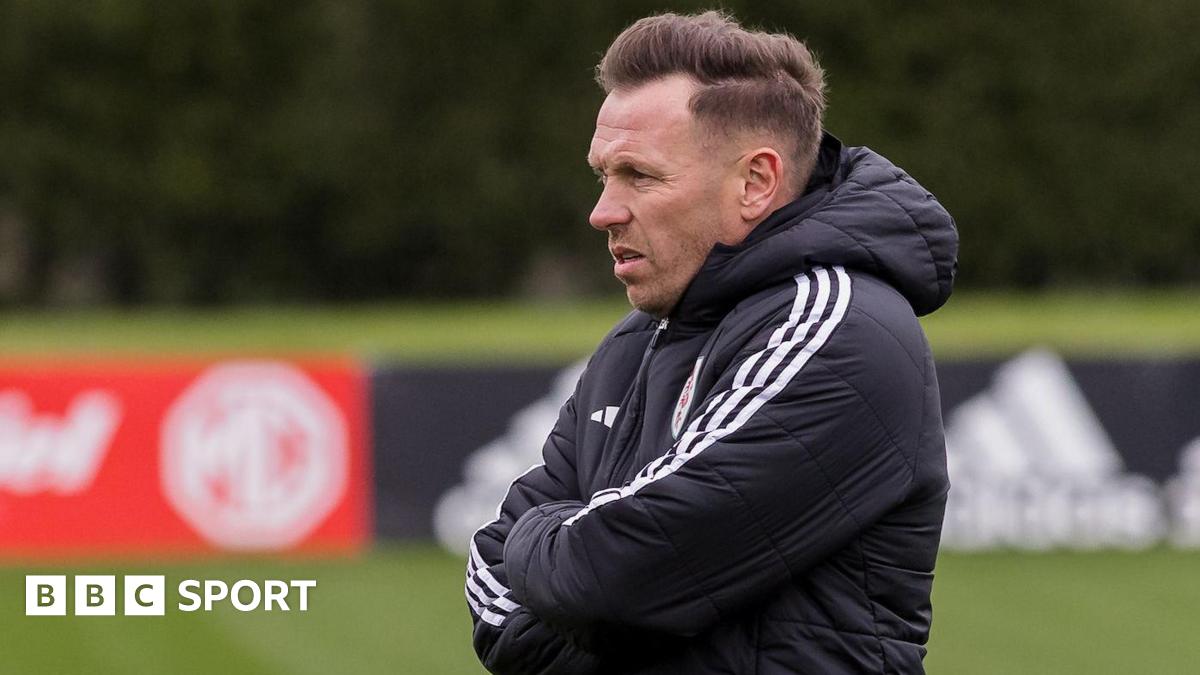
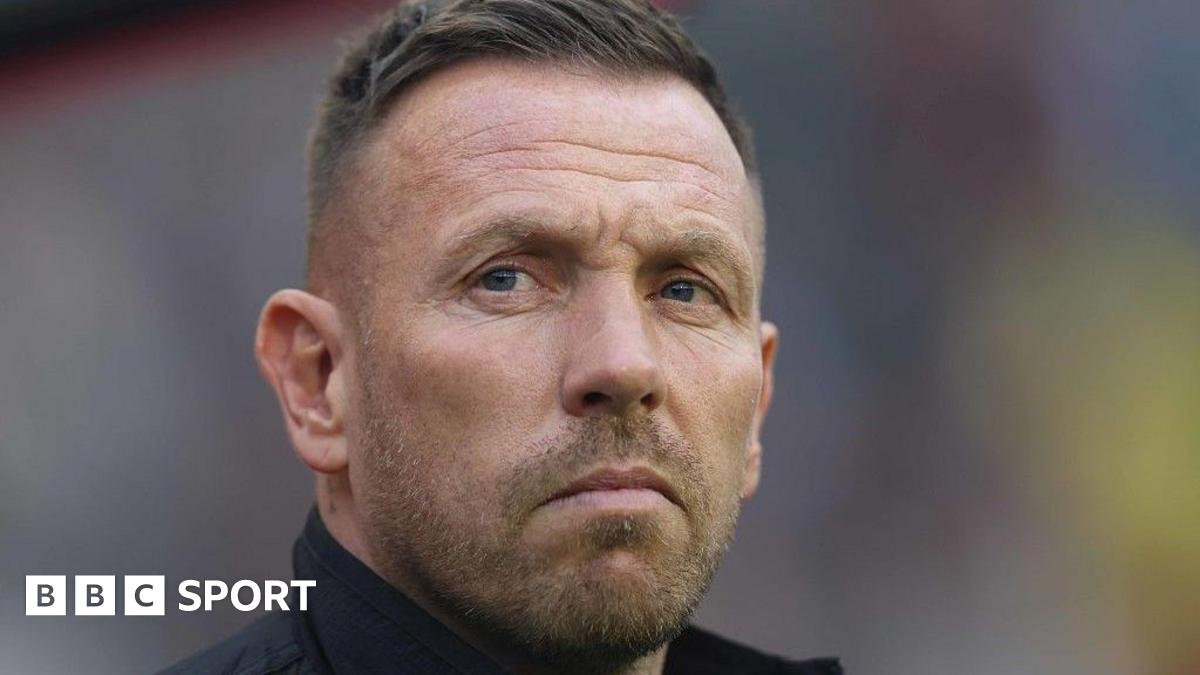
The latest in-depth profile from BBC Sport offers a rare, four-hour window into the mind of Wales manager Craig Bellamy. This isn't your typical tabloid fluff piece. It’s a Tier 1 insight into a coach who is rapidly shedding his reputation as a volatile touchline presence in favor of a sophisticated, obsessive tactical identity. For clubs looking at the next wave of elite managerial talent, this interview serves as a formal notice of intent.
Bellamy has moved beyond the 'angry man' tropes that followed his playing career. He is now operating as a student of the game, citing influences that range from Vincent Kompany’s structural rigidity to his own deep dives into Balkan history. This intellectual curiosity is manifesting on the pitch. Wales are no longer just a 'grit and counter' unit; they are becoming a team that values ball retention and positional discipline.
Tactical Fit and the Modern Profile
Any club looking to hire Bellamy in the next 18 months would be buying into a specific, high-intensity philosophy. He isn't interested in pragmatism for the sake of a draw. His sessions at the Vale of Glamorgan are described as relentless, focusing on the minute details of body shape and passing lanes. He demands a squad with high technical floor and the aerobic capacity to sustain a press for 90 minutes.
The profile fits a mid-table Premier League side or a top-tier Championship club aiming for a total cultural reset. Think of the way Brighton or Brentford identify coaching talent based on underlying metrics rather than name recognition. Bellamy is currently the value play in the managerial market. He is proving that he can handle the pressure of international football while implementing a complex system with limited training time.
However, the risk remains his intensity. In his interview with BBC Sport, Bellamy admits to an obsessive nature that can be all-consuming. For a club with an established, relaxed hierarchy, his 'four hours in the office' approach might be a jarring mismatch. He is a disruptor by nature, and that doesn't always sit well with conservative boards.
The Contractual Reality and Timing
Bellamy is currently under contract with the FAW through the 2026 World Cup cycle. He isn't looking for an exit, and the FAW aren't looking to push him. Any club wanting to prize him away would likely face a compensation package in the region of £2,000,000. This is a relatively low barrier for a Premier League side but a significant hurdle for most EFL outfits.
The timeline is the tricky part. With Wales performing well, his stock is at an all-time high. If he secures qualification for the World Cup, he becomes untouchable until the tournament concludes. The window for a 'raid' is likely the summer of 2025, specifically if a Premier League job opens up where the project aligns with his desire for total control over the footballing department.
The Probability Assessment
Currently, the 'Here We Go' chance of Bellamy leaving Wales before the end of the year is virtually zero. He is a man of his word and deeply committed to the national project. However, the probability of him being a primary target for a top-flight club by next summer is high. He has successfully rebranded himself from a liability into a tactical asset.
There is a 70% chance he remains with Wales through the World Cup qualifiers. The remaining 30% hinges on a club like Crystal Palace or Everton looking for a long-term identity shift. He isn't a firefighter; he's an architect. If a club offers him the keys to the academy and the first team, the temptation will be there.
Expected Impact and Final Verdict
If Bellamy makes the jump to a major club, expect an immediate spike in training ground intensity and a shift toward a 4-3-3 or 3-4-3 hybrid system. He will clear out players who cannot meet his physical demands. The football will be attractive, but the margin for error will be slim. His teams play on the edge, much like he did as a winger at Newcastle and Liverpool.
The negative here is the potential for burnout. Managing a national team allows for the 'obsessive' deep dives he loves, but the 24/7 grind of club football tested him at Burnley alongside Kompany. Whether he has the temperamental stability to lead a Premier League club through a ten-game winless streak is the only question mark remaining. For now, he is the most interesting coach in the British Isles not currently working in the top flight.
Read Next
- Arsenal's Wembley failure proves they still cannot solve the City puzzle
- Wales face nervous wait as squad depth tested ahead of Nations League
- Nottingham Forest must prove the Spurs result wasn't a fluke
- Manchester City exposed Arsenal’s lack of depth in a clinical cup masterclass
- 🏴 Wales at the 2026 World Cup — Full Coverage Hub