The Architect of the City Turnaround
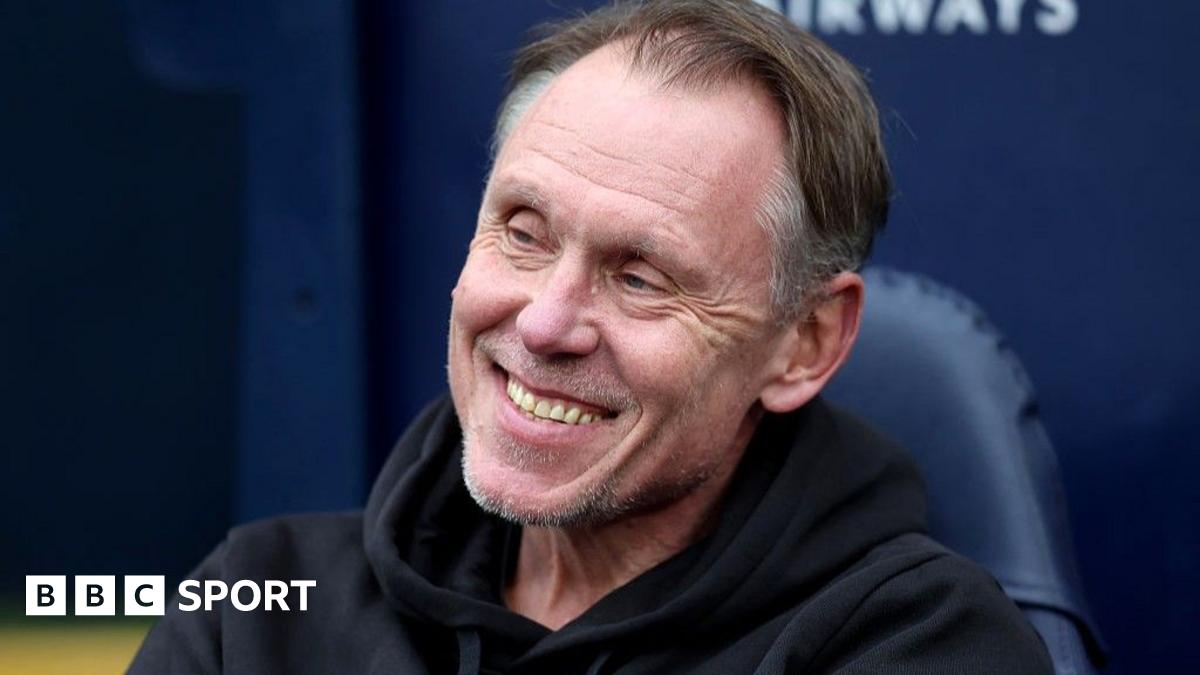
Gareth Taylor stands alone as the man who ended a ten-year drought at Manchester City. The Women's Super League title sits in the trophy cabinet, secured after a campaign defined by sheer tactical rigidity and defensive transformation. Critics spent years labeling his style as possession for the sake of it, yet the numbers from this season shut that noise down completely.
City conceded just 14 goals across the league campaign. That figure is the lowest in the division and serves as the foundation for the club's first championship since 2016. Winning games by small margins is a hallmark of a championship side, and City mastered that art, refusing to break even when the pressure from Chelsea mounted down the final stretch.
The Tactical Shift
Taylor faced immense pressure following the departure of key attacking talent last summer. Most observers expected a regression, suggesting the team would lack the firepower to keep pace with higher-spending rivals. Instead, Taylor shifted the focus toward a more disciplined, high-press structure that punished transition errors consistently.
The club recently detailed how the internal coaching staff recalibrated their training regimens mid-season. They prioritized off-the-ball movement, ensuring that when the initial press failed, the back line stayed compact. It wasn't always pretty, but it was effective enough to dethrone a Chelsea team that looked disjointed during the final four rounds of games.
I have always believed in the process we put in place at the start of the season, even when the results were harder to come by in September.
That belief was tested early. Early draws against mid-table opposition left fans calling for his head on social media by October. Taylor’s refusal to pivot to a reactive strategy kept the dressing room stable, a point he highlighted frequently in post-match media sessions. He insisted that the technical ceiling of his midfield was higher than their output suggested.
Where the Glass Ceiling Remains
Despite the trophy, doubts linger about City’s ability to compete on the continental stage. The WSL title is a massive jump, but the Champions League requires a level of fluidity that City has struggled to maintain for a full 90 minutes. Their tendency to drop deep during the final 15 minutes of matches leaves them vulnerable to high-tempo European attacks.
The recruitment strategy also remains a weak point. Relying on a small core of veterans meant that when injuries hit in March, the drop-off in quality from the starters to the bench was steep. Unless the club adds depth in the defensive midfield role, winning back-to-back titles will require pure luck with fitness. The title win is 100% deserved, but the project is far from complete.
Success next season will be judged by whether Taylor can integrate the youth academy prospects into heavy rotations. He is a coach who loves his established system, yet the league is changing fast. If he doesn't evolve the rotation, the fatigue that slowed them down in the winter will undoubtedly return in the fall.
History will remember 2026 as the year City finally stopped choking at the final hurdle. It was a victory of patience over impulse spending. Now, the rest of the league knows exactly what they are up against: a team that isn't afraid to win ugly if it means lifting the trophy.
The reality is that City won the league by a point, and the margins were razor-thin. This wasn't a masterclass of offensive superiority; it was defensive attrition that wore opponents thin over 22 rounds. Staying at the top is infinitely harder than reaching it for the first time, and Taylor knows the target is now firmly on his back.