The defensive identity masking a blunt edge
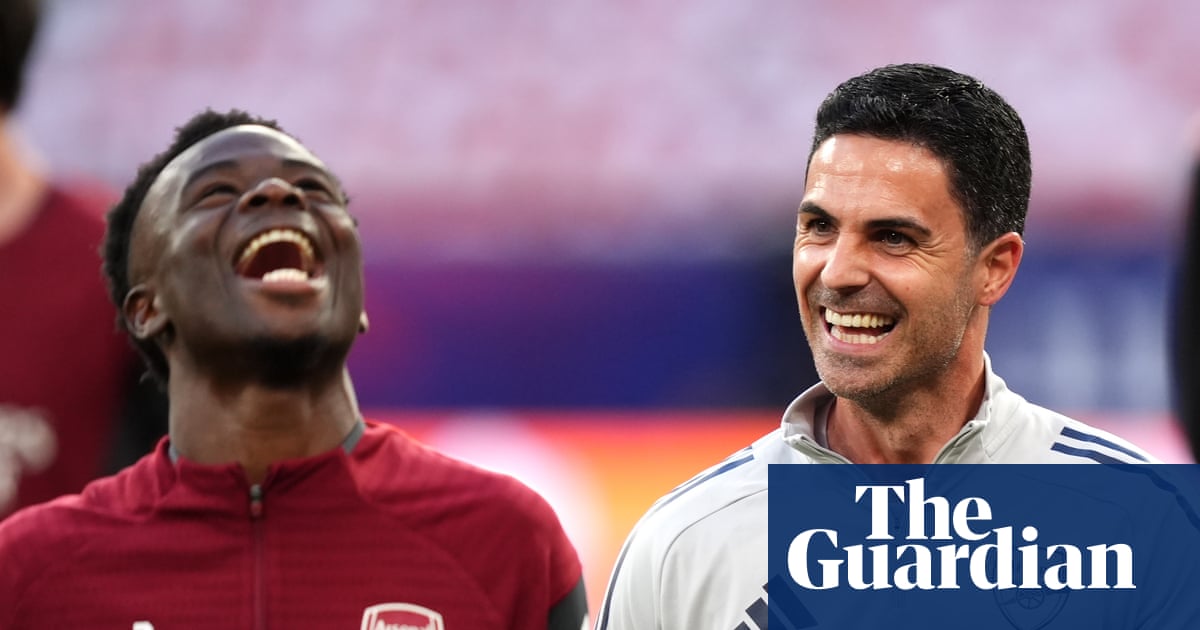
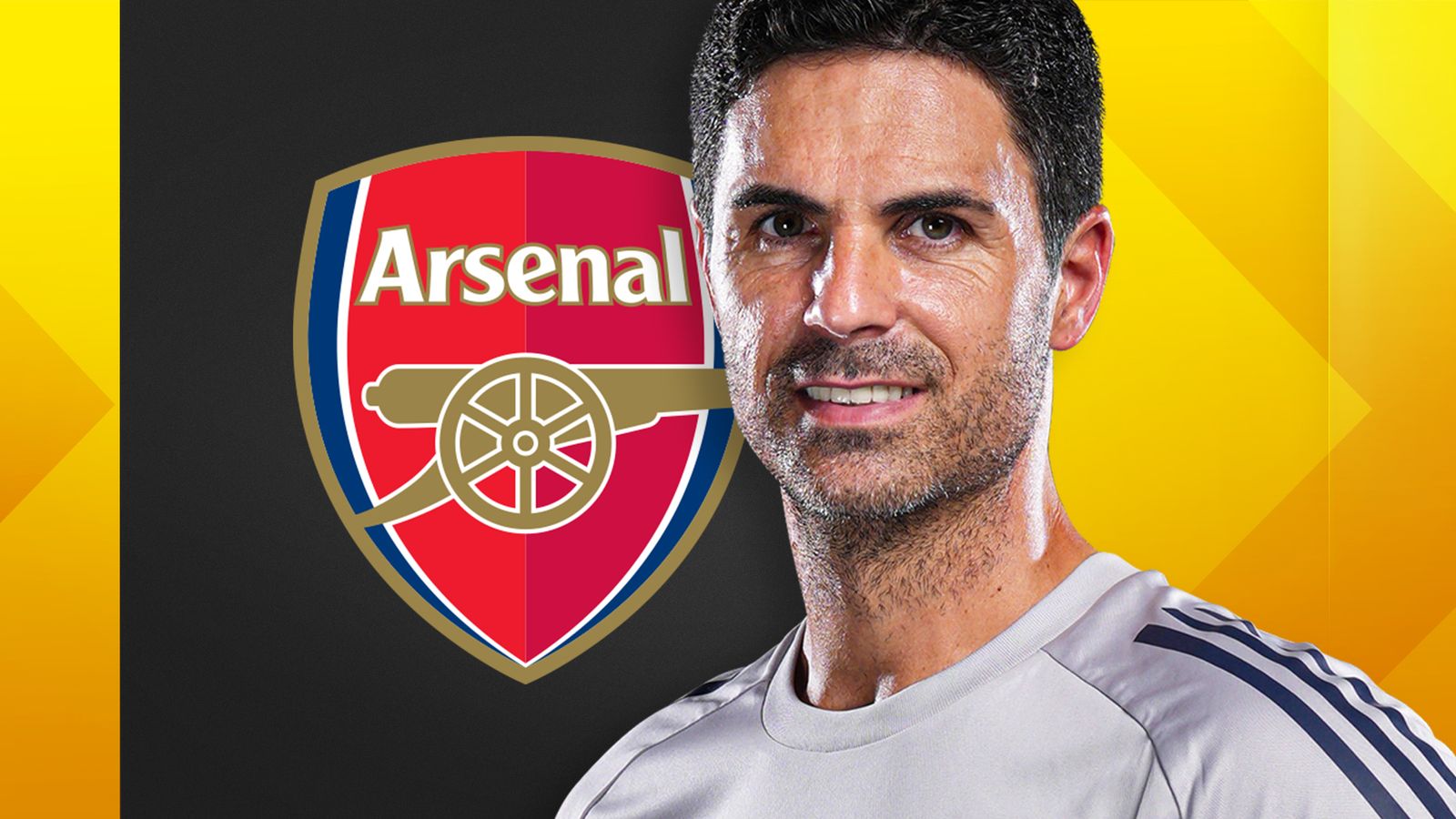
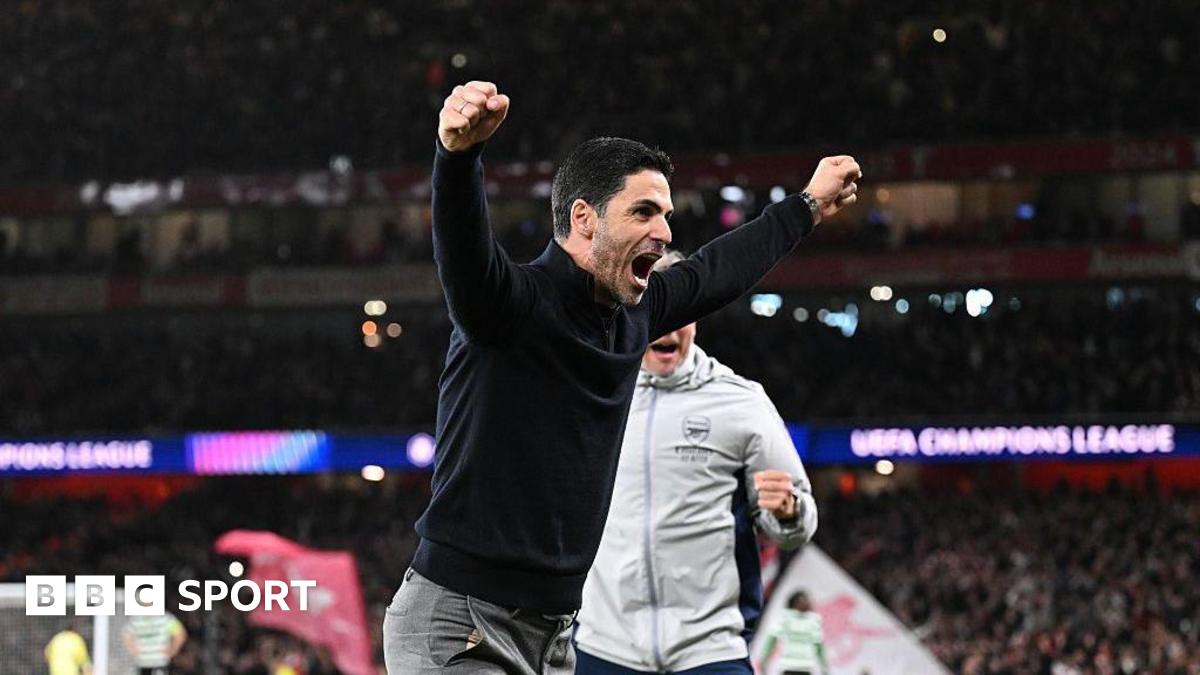
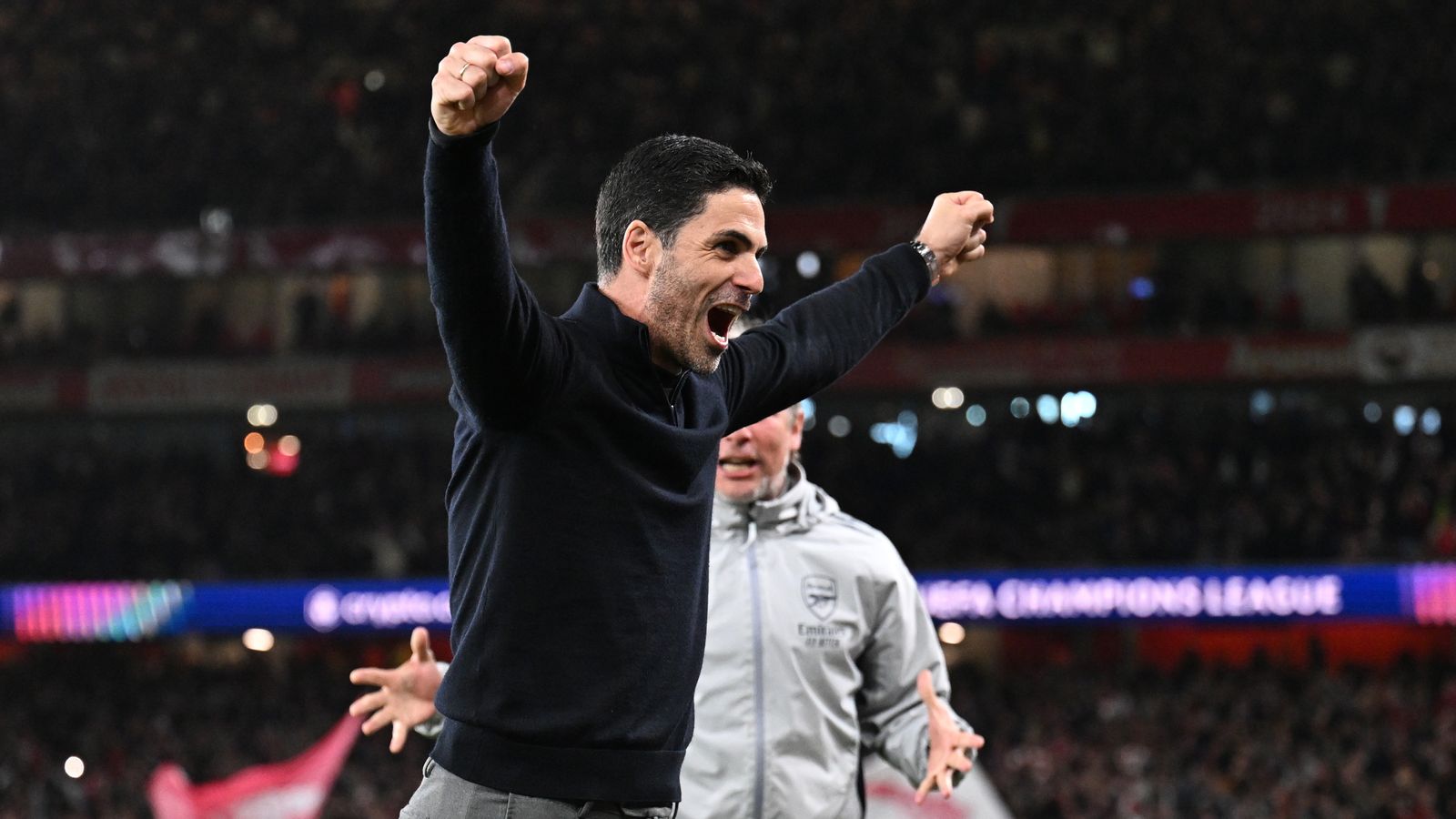
Mikel Arteta’s side secured their place in the Champions League semi-finals this week, silencing the critics who doubted their longevity in the competition. Progressing through the knockout rounds is the baseline for a club with these financial resources, yet the manner of their advancement feels fragile. While the defensive metrics remain elite, the attacking output has stagnated since mid-March.
Arteta championed the result as a huge boost for the squad morale, but that rhetoric hides a lingering issue: the creative dry spell. In recent outings, the final third has looked predictable, often opting for recycled possession rather than breaking lines with urgency. Relying on set-piece variance and high-press transitions is not a sustainable formula against the tactical heavyweights awaiting them in the final four.
Tactical rigidity vs European intensity
The lack of a secondary gear
Opposition managers have identified the pattern. By compacting the half-spaces, they force Arsenal to funnel play through wide areas where crosses become the default rather than the tactical preference. This lack of centralized threat forces the full-backs to invert too high, leaving gaping transitions for teams willing to exploit the space behind the defensive line.
As Sky Sports observed, the reliance on a singular attacking profile is a significant tactical vulnerability. If the initial press does not yield an early goal, the team struggles to adapt when the opposition drops into a low block. We have seen this drift occur repeatedly in high-stakes matches this spring.
High stakes and higher pressure
With the semi-final first leg arriving on April 28, time is thin. The squad needs to find a more fluid rhythm, particularly with the league season also reaching its boiling point. A lack of variation in the final third against disciplined defensive units will see them dumped out of the competition well before the May 28 final in Munich.
Arteta faces a difficult choice: stick to the rigid system that built this defensive stability or take risks to open up the attacking phases. Conservatism rarely wins European trophies, and this team is currently erring on the side of extreme caution. Confidence in the dressing room is high, but the execution on the pitch is currently lacking the cutting edge required to lift the trophy.
The verdict
I predict Arsenal will exit at the semi-final stage if they fail to address the lack of vertical passing in the central corridor. They have the structure to frustrate, but they currently lack the spark to dismantle an organized defense. My prediction for tomorrow's UEL/UECL matches aside, Arsenal’s Champions League run will end in a 2-1 aggregate loss. They are disciplined, they are fit, but they are too one-dimensional to survive the next round.
Read Next
- Arsenal scraped through, but Simeone is already sharpening the steak knives
- Arsenal’s clinical inefficiency reveals a dangerous Champions League trend
- Arsenal are walking into a tactical trap against Diego Simeone
- Arsenal's training ground looks more like a triage unit right now
- ⚡ UCL Semi-Finals 2026 — Full Coverage Hub