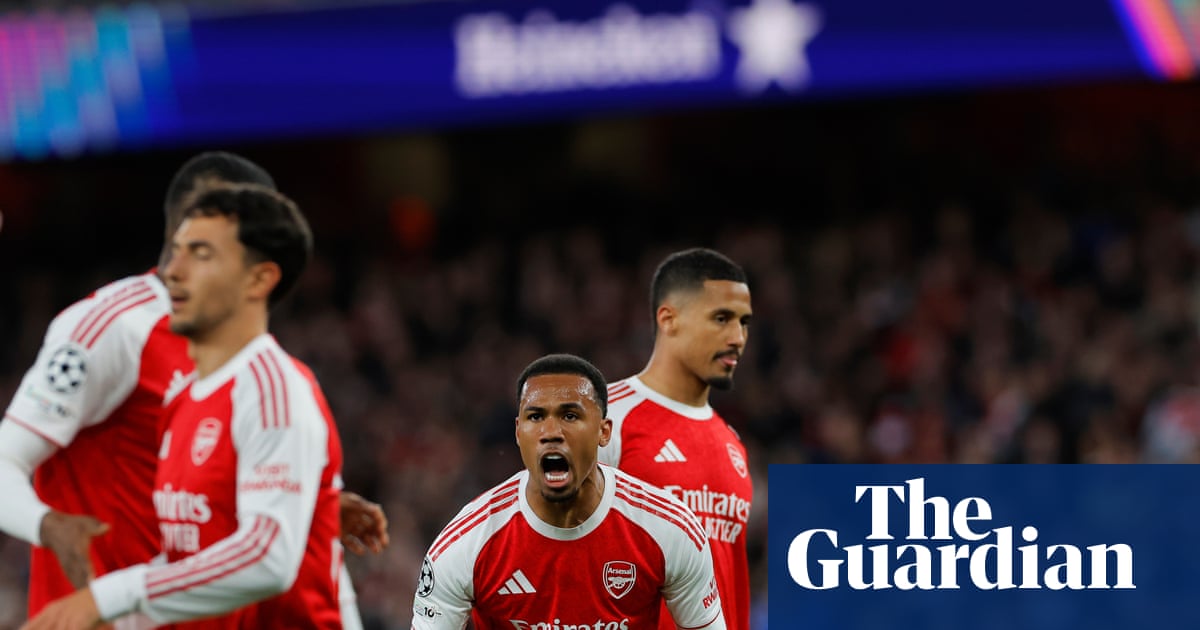
Arsenal's win over Newcastle proves their title push relies on grit, not flair
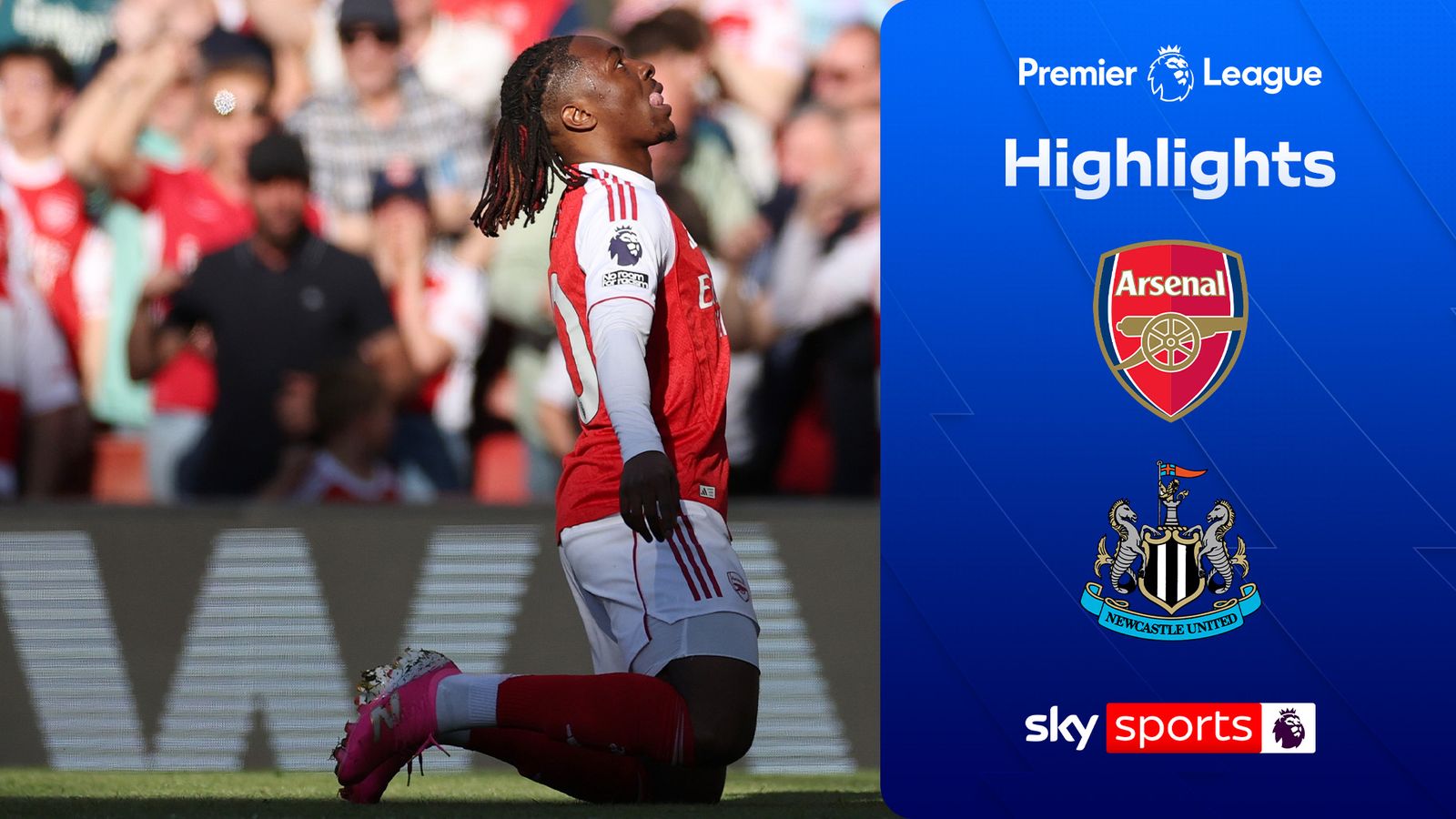
The survival instinct at the Emirates
Arsenal reclaimed the Premier League summit with a 1-0 victory over Newcastle, but labeling it a statement win would be a stretch. It was an exercise in attrition. While Mikel Arteta frequently emphasizes control, this match forced his side into a game of survival that exposed a thinning margin for error as we approach the final stretch of the domestic campaign. The reliance on individual resilience rather than fluid transition play suggests a team physically and mentally redlining.
Watching the highlights from the fixture, the tactical battle centered on Newcastle's ability to compress the midfield space. Arsenal found themselves trapped in the final third, moving the ball horizontally across the defensive line without finding the vertical trigger pass required to break a disciplined low block. Their expected goals output remained dangerously low for a side claiming to be championship favorites, hinting at a creative fatigue that has persisted since early April.
The defensive ceiling and the transition decay
The defensive structure held firm, but the lack of dynamic output is becoming a glaring weakness. Against Newcastle, Arsenal completed a high volume of passes, yet the progressive distance was minimal. They operated within a 4-3-3 structure that effectively shut down counter-attacks but failed to exploit the half-spaces behind Newcastle's wide center-backs. If they carry this level of static positioning into the upcoming Champions League semi-finals on April 28, they will surely be dismantled by sharper tactical setups.
We are seeing distinct patterns of fatigue in the build-up. The pivot players, usually responsible for quick recycling, are holding possession four seconds longer than they did in the winter months. This delay allows the opposition to reset their shape, making the pitch look intentionally shrunken. It is far from the aesthetic brilliance associated with Arteta’s earlier projects, instead morphing into a grinding, heavy-legged process that relies purely on set-piece variance or a moment of individual brilliance to salvage points.
Miscalculations in the final third
The failure to unlock the Newcastle defensive shape was not for a lack of opportunity, but a failure of selection. The wing rotations were stifled, and the lack of overlapping runs meant that Newcastle’s fullbacks could narrow their focus, essentially double-teaming the primary creative outlets. A more aggressive inversion of the fullbacks might have induced defensive overloads, yet the hesitation to commit bodies forward suggests a loss of confidence in their own defensive recovery speed.
The winning margin of 1-0 hides the fact that Newcastle managed to bypass the midfield press with ease on three separate occasions in the second half. Had the visitors possessed a more clinical edge in the final third, the result could have easily mirrored the recent stagnation observed in Manchester City's inability to break down similar low-block structures. This is a recurring theme within the top four, where elite teams struggle against compact blocks while simultaneously failing to sharpen their own attacking transitions.
Looking toward the league conclusion
As we sit here on April 25, the margin for error is non-existent. Arsenal occupies the top spot, but their underlying metrics indicate a squad running on fumes. There is a palpable difference between winning through dominant territorial control and winning through desperation, and the latter is a dangerous habit to maintain against more potent European opposition. Expecting them to maintain this defensive discipline while the pressure mounts for the May 28 final requires a level of consistency they are currently failing to demonstrate in their build-up play.
Arteta faces a difficult balancing act. He must decide if he keeps the current conservative shape to ensure clean sheets or risks a more open vertical game that invites danger upon the backline. For now, the reliance on the defensive core—the strongest aspect of their current form—is the only thing preventing a tumble down the table. If they cannot rediscover their rapid transition speed by next week, the upcoming semi-final leg will be short-lived.
Read Next
Adidas FIFA World Cup 2022 Al Rihla League Soccer Ball
Train like a pro with the official design of the previous World Cup.
Frequently Asked Questions
How did Arsenal manage to beat Newcastle?
Why is Arsenal's current tactical performance considered stagnant?
What issues did Arsenal face against Newcastle's low block?
How has player performance changed since the winter months?
What, if any, defensive vulnerabilities did Arsenal show against Newcastle?
More Coverage

Why England must fear Panama's disciplined low block
17 minutes ago
Anthony Gordon's Barca move masks lingering fitness concerns from Newcastle stint
38 minutes ago
Anthony Gordon to Barcelona marks a high-stakes gamble
an hour ago
Arsenal vs PSG: Why tactical rigidity will determine the European champion
an hour ago
Arsenal's 104 million gamble on Julian Alvarez is pure chaos
an hour ago
Arsenal and PSG are locked in a tactical chess match for the trophy
2 hours agoMore Analysis

Arsenal are clinging to hope as the Premier League enters the home stretch
1 month, 2 weeks ago
Arsenal need more than just Eze to solve their creative drought
1 month ago
Arsenal's fullback conservatism will cost them in Europe
1 month, 1 week ago
Arsenal are about to prove if they've actually learned from last May
3 weeks, 6 days ago
Arsenal have reached the semi-finals but the attack is stalling
1 month, 1 week ago