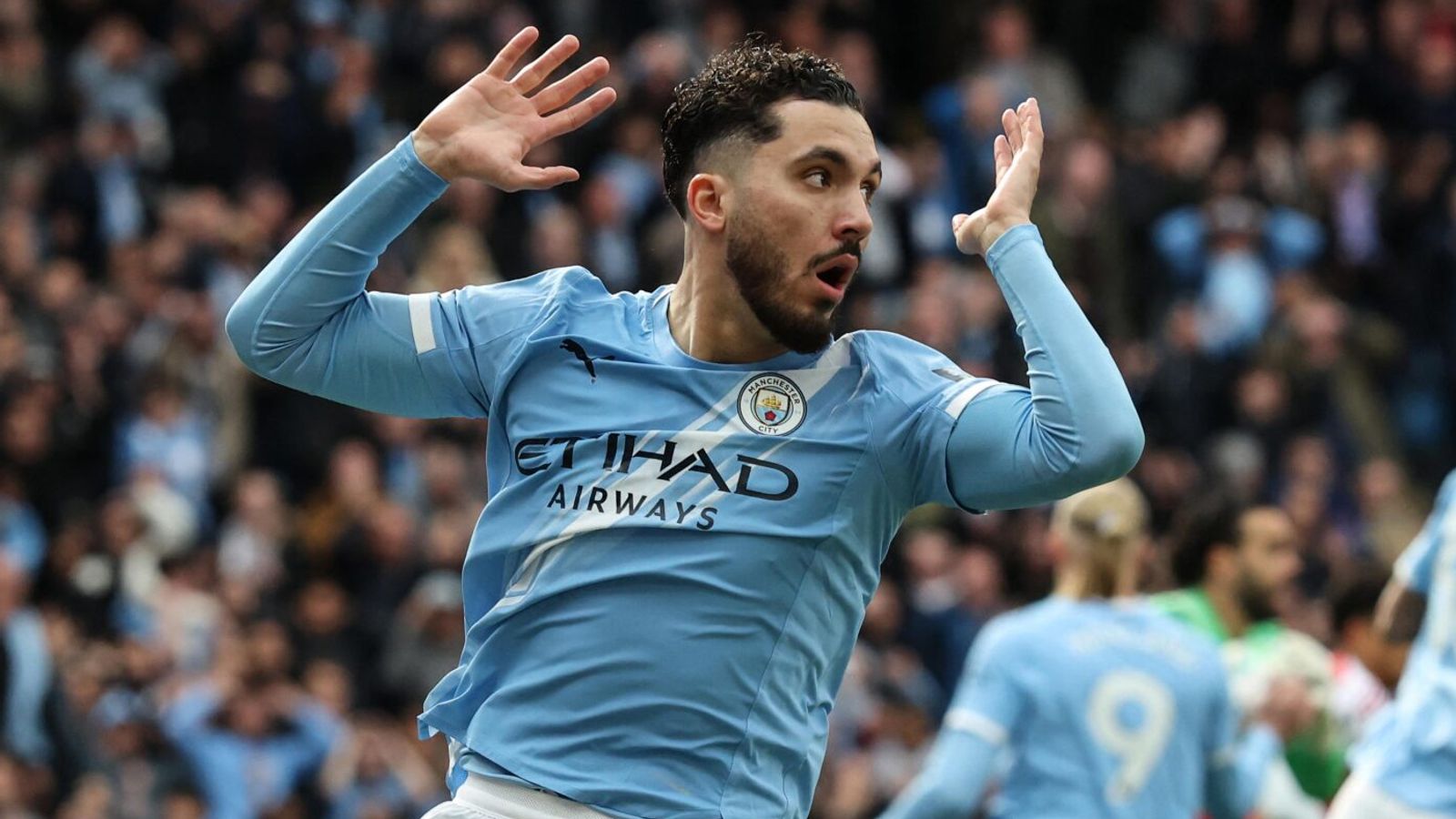
The turn of the tide in the Premier League
April 23, 2026, marks a curious moment in the English title race. Despite sitting second in the table, Arsenal are currently dictating the psychological tempo of the run-in. The prevailing mood among analysts is that the initiative has swung back toward North London, largely because the burden of performance now rests squarely on the shoulders of the reigning champions.
As Paul Merson noted recently, the scrutiny on Pep Guardiola’s side is suffocating. If Manchester City fail to dismantle Burnley in their upcoming fixture, they lose the right to dictate the narrative. Arsenal are playing with a newfound clinical edge that suggests they are no longer waiting for others to slip.
Tactical adjustments driving the Gunners
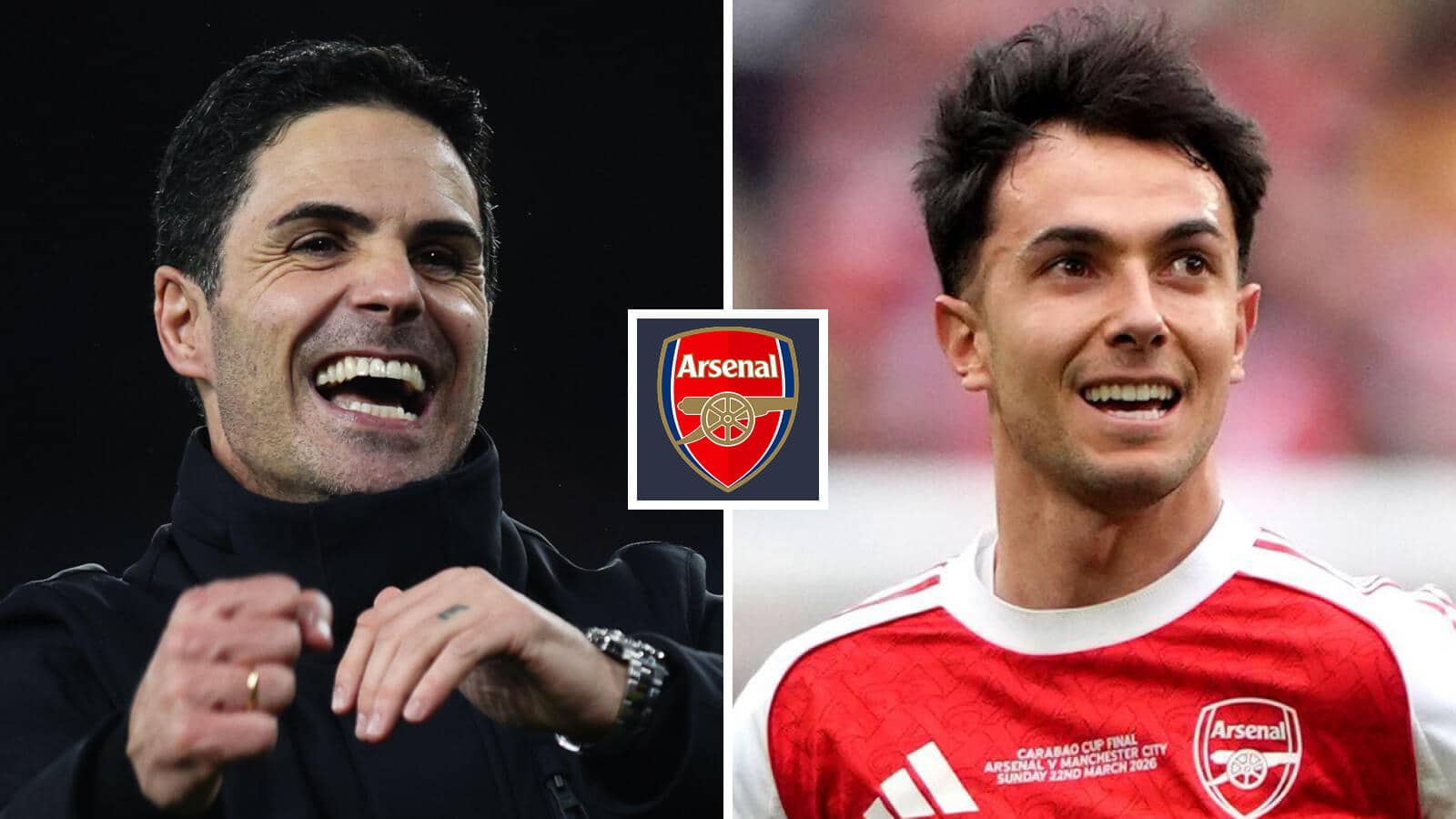
Mikel Arteta has refined his pressing triggers since the turn of the year. Arsenal are no longer content with long phases of possession that end in sterile circulation around the box. They are now engaging in high-intensity traps near the touchline, forcing opposition full-backs into panic-induced clearances towards central midfielders who are physically superior at this stage of the campaign.
The underlying metrics bear this out. Arsenal’s xG per 90 minutes in April has trended upward, fueled by increased verticality in the final third. Bukayo Saka and Gabriel Martinelli are effectively pinning back defensive lines, creating space for Declan Rice to make late, unchecked runs into the box. It is a system that demands immense stamina, yet they look leaner and sharper than their counterparts.
The Manchester City vulnerability
While City boast the deepest bench in professional football, there is a visible fatigue in their defensive transition. When they commit bodies forward in their 3-2-4-1 setup, the space vacated in the channels is being exploited with alarming frequency. The lack of pace in their primary recovery structure is a glaring issue that better-organized sides have begun to weaponize.
Guardiola is undoubtedly aware of this. His recent reliance on possession recycling over quick transitions shows a desire to limit exposure, but it also slows the game down just enough for disciplined mid-blocks to set up. It is counter-intuitive for a team of such attacking pedigree, yet it points to an underlying fear of the counter-attack. City have conceded goals at a rate of 1.12 per match over their last six fixtures, a statistic that hardly screams defensive solidity.
The stakes of the final stretch
With the Champions League semi-finals beginning on April 28, 2026, the scheduling pressure is immense. Squad depth will be tested, and rotation errors will be punitively punished. For Arsenal, the path is clear: win every remaining game and hope for a single City hiccup. It is an honest, uncomplicated route to the trophy.
If City stumble against an opponent they are expected to hammer, the vacuum in their confidence will be immediate. You can already see the cracks in their typical late-season swagger. They aren't just playing Burnley; they are playing against their own historical perfection.
Predicting the inevitable
I am calling a decisive shift in leadership at the top of the table before the month expires. Arsenal will capitalize on the heavy emotional load hanging over the Etihad. By the time the final whistle blows on the current run of matches, the Gunners will be back in first place, not due to luck, but because their current form profile is objectively more stable. City will drop points in a high-pressure encounter, leaving Arsenal to control their own destiny. Count on it.
Read Next