A career defined by patience and precision
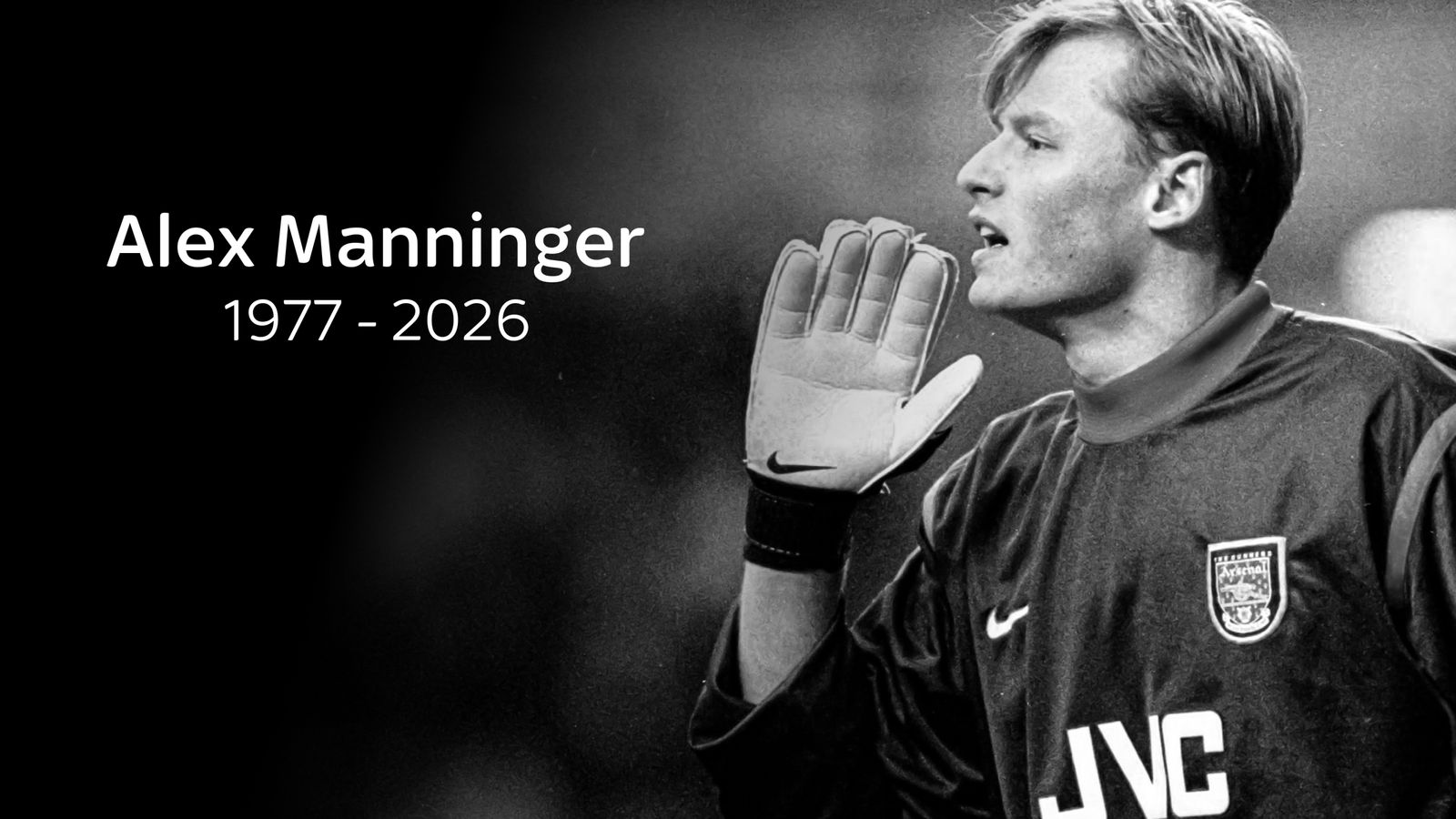
The news from the United Kingdom this week regarding Alex Manninger is the kind of gut punch that makes you put down the remote and walk away from the television. At 48, a man who once stood as the literal wall between Arsenal and a trophy drought is gone. He wasn't the loudest guy in the dressing room, but he was the guy you wanted when the pressure gauge hit red, which is exactly why Arsene Wenger brought him in back in 1997.
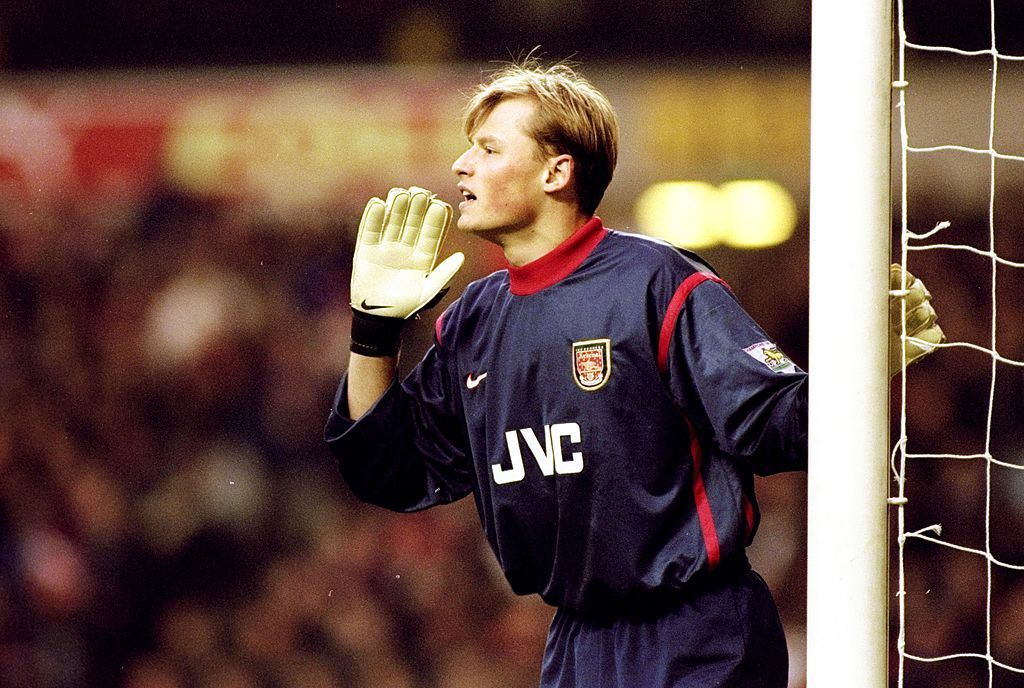
Manninger wasn't just a backup. He was a professional in an era where that term actually meant something. Filling in for David Seaman, he kept six consecutive clean sheets during the 1997-98 double-winning season. If you want to talk about impact, he didn't just step onto the pitch; he stabilized a foundation that looked shaky to everyone on the outside. That consistency is how legends are built, even if they aren't always the faces on the cereal boxes.
The cruel irony of a life cut short
As The Mirror reported, Alex Manninger passed away following a collision between his vehicle and a train. It is a sterile headline for a devastating event. We spend our weekends screaming at referees and debating tactical shifts in the final third, forgetting that these players are human beings who navigate the same world we do. To read the tribute shared by his wife, Emily, is to realize that the person behind the gloves was far more interesting than the highlight reels.
Beyond his stint at Highbury, Manninger had the kind of travel-heavy resume that modern players would kill for. From Salzburg to Fiorentina to Siena, and eventually a stint at Liverpool where his experience was meant to mentor a younger generation, he was a student of the game. He didn't chase the limelight. He chased the craft. Most players today have an ego the size of their transfer fee, but Manninger understood his role was to be ready at 0.00 seconds' notice. That requires a specific, quiet bravery that you just don't see enough of anymore.
The legacy left behind
You can look at his stats—204 appearances across a storied European career—and see a solid goalkeeper. But those numbers miss the point entirely. The real story here is the loss of a mentor, a husband, and a teammate who was reportedly well-regarded by everyone from the backup staff to the top-tier strikers he faced. He carved out a professional life on his own terms.
It’s easy to get cynical about football. The money, the VAR reviews, the endless marketing—it all creates a barrier between the fan and the game. But then something like this happens. It reminds us that we are all just watching people do their best under extreme circumstances. Manninger worked until he was 40 years old, a rarity in a position that usually chews up and spits out anyone with a bad set of knees. He had passion. He had durability. He had, by all accounts, a quiet grace that is missing from the modern circus.
We talk about Arsenal's double-winning season like it was yesterday, but it’s been nearly three decades. The guys who made that possible are moving into that stage of life where mortality starts to bite back. It’s not just a sad story; it’s a jarring reminder that the game is just the background noise to the actual lives being lived. Rest easy, Alex.