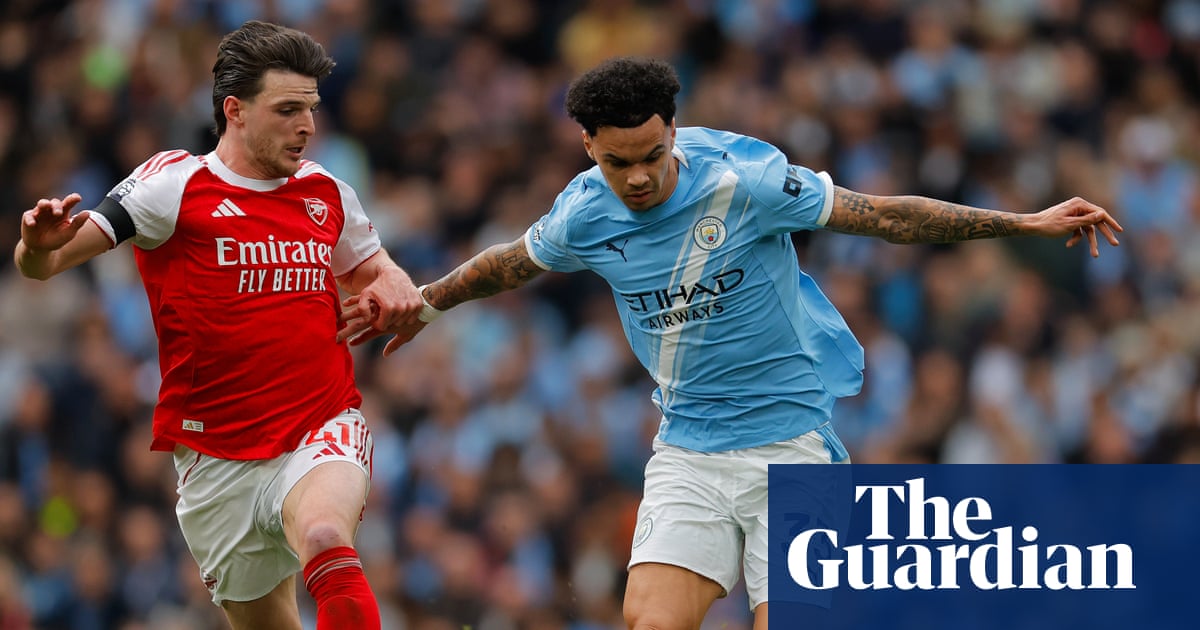
The psychological weight of the run-in
April 23, 2026, marks exactly five days before the opening legs of the Champions League semifinals. The mood at the Emirates is significantly flatter than it was a fortnight ago. After dropping points in preventable scenarios, the squad looks weary. The technical staff is managing a rotation of heavy legs that frankly should have been managed better during the February fixture congestion.
Recent results reveal a tactical fatigue. When teams sit in a low block, the side lacks the verticality required to break them down. We saw this in the draw against Burnley. While the recent Manchester City win at Turf Moor showcased their ability to grind out a result regardless of the scoreline, Arsenal has struggled to kill games off. Moving from a position of control to absolute dominance is the final hurdle they have not cleared.
The Haaland factor in late-season tension
Pep Guardiola is playing a different game, and it is infuriatingly effective. That 0-1 scoreline against Burnley was not a vintage performance, yet it secured the three points necessary to leapfrog the competition. Haaland grabbing an early lead at 5 minutes changed the thermodynamics of the entire afternoon. It forced the opponent to open up, which in turn allowed City’s back line to coast through the second half.
Arsenal’s issue is the inability to replicate that quick kill. Their reliance on high-volume shots often masks a hollow conversion rate. If they want to be champions, they need to stop treating every attacking third entry as a decorative exercise. Efficiency is not a style preference; it is a mathematical requirement for the closing stages of the season.
Defining moments in the coming weeks
The lack of a secondary plan when the wingers are doubled up remains the primary flaw in the design. During the buildup to the current run, we have seen opponents drift their fullbacks inside, effectively neutering the cut-back lanes. This is a solvable architectural problem, yet the adjustments lately have been static. They are playing in a way that assumes the goal will eventually arrive through the collective pressure of possession.
That assumption is dangerous. With the UCL semi-finals arriving on April 28, the danger of over-exerting key personnel in domestic games against mid-table opposition is high. If they sustain a major injury now for the sake of an extra three points that they might not actually secure, the tactical hierarchy for the European stage collapses. Managers often discuss the necessity of squad depth, but the drop-off from the starters to the bench is currently stark.
The final prediction
The league has reached its point of total consolidation, where individual brilliance matters less than structural discipline. City is currently operating with a level of cynical focus that is difficult to disrupt. Arsenal will likely win their next domestic encounter, but the gap in game-management experience is widening. I expect the title race to hinge on who can maintain their defensive block while the rest of the league becomes desperate. My call: Manchester City takes the title by two points, purely based on their ability to win ugly. The next ten days will force the table to look exactly as the recruitment algorithms predicted in August.