Tier 1: BBC Confirms the Extension
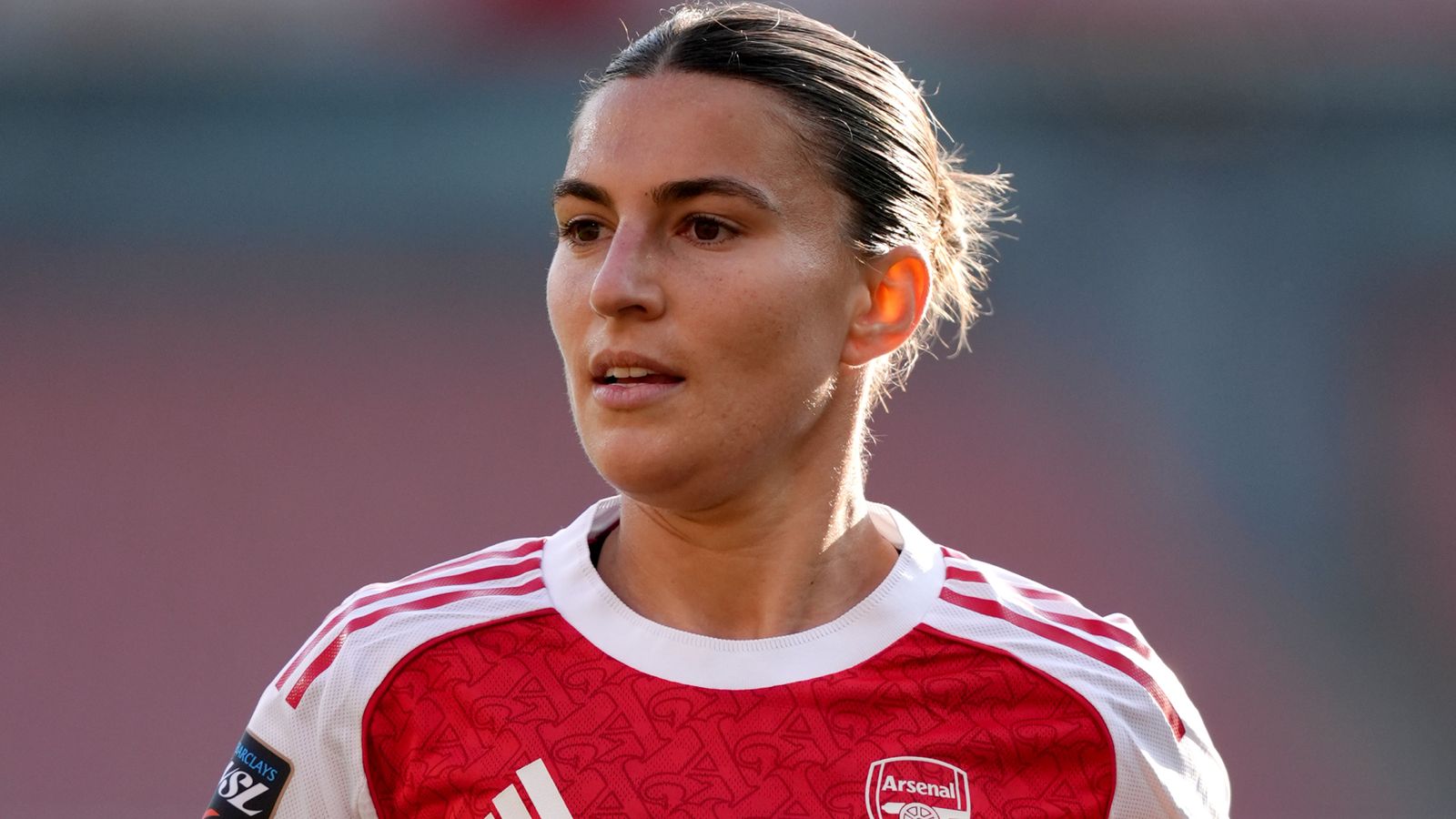
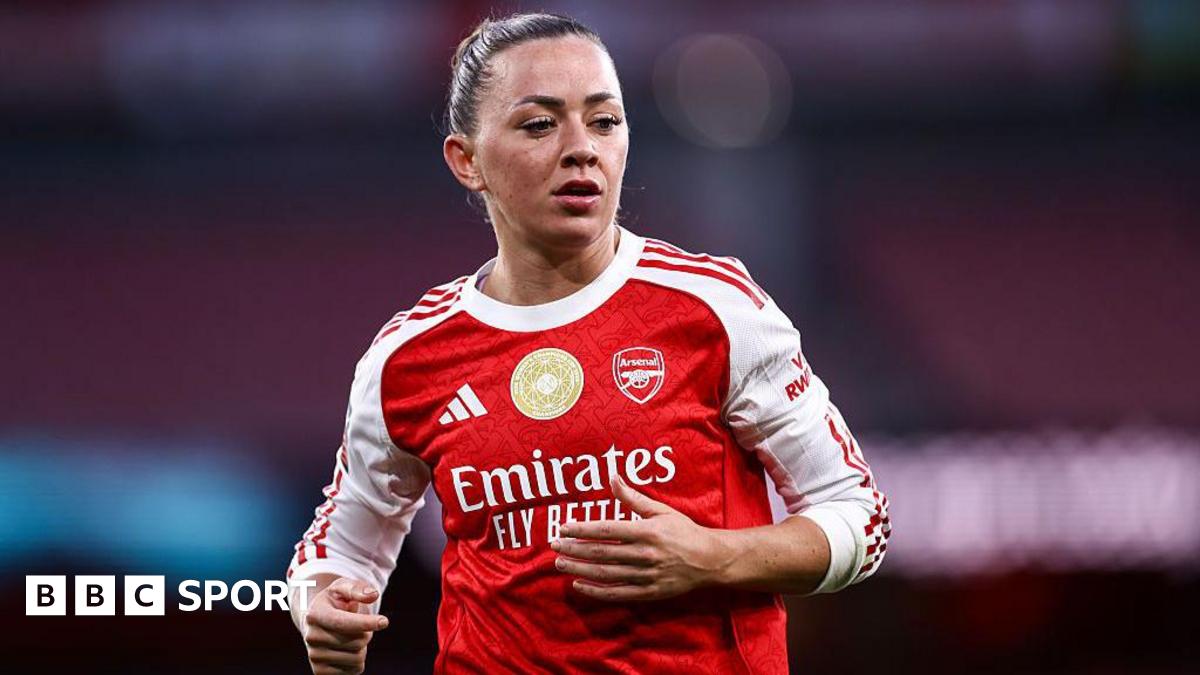
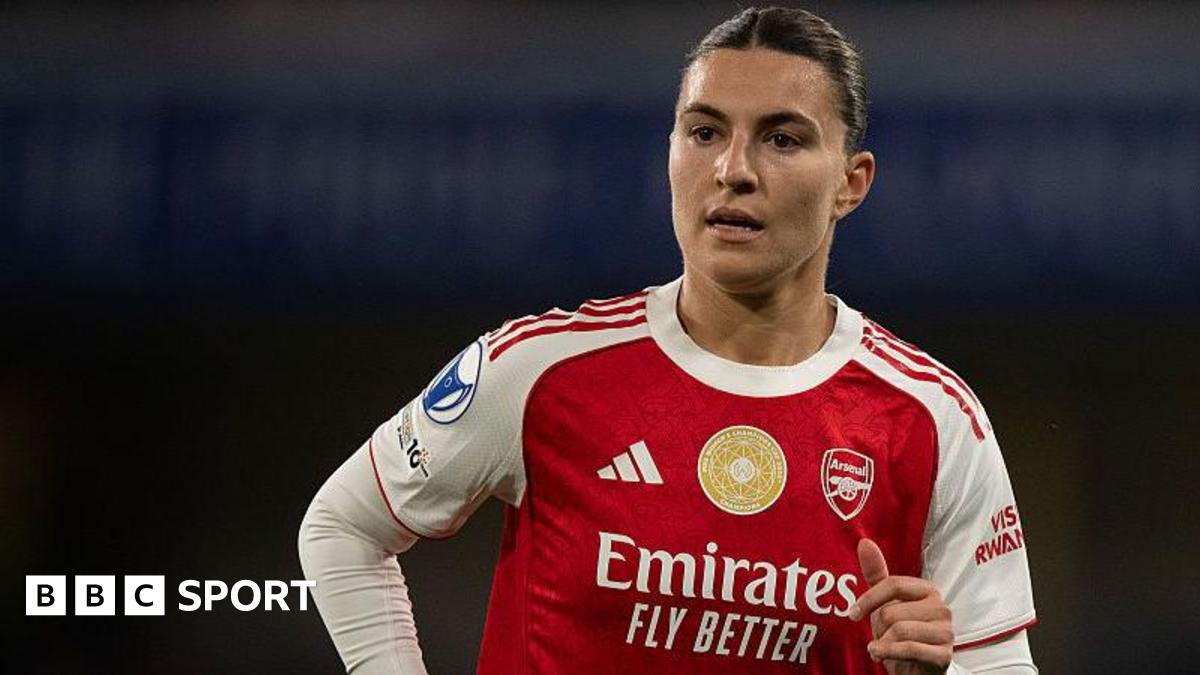
The waiting is over. According to a Tier 1 report from the BBC today, Arsenal and Australia defender Steph Catley has officially signed a new contract with the club. This puts an end to any lingering speculation regarding her immediate future in the Women's Super League.
For Arsenal fans, this is the exact type of news you want dropping on a Tuesday morning in late April. The timing is notable. With the domestic season heading into its final weeks and European spots on the line, locking down a senior international provides a massive boost to squad stability. There were murmurs of unrest regarding expiring contracts, but this decisive action quiets the noise.
We do not have the exact financial figures. The BBC report is brief, stating simply that the Australian international has signed a new deal. Arsenal rarely disclose contract lengths or wage packets for their women's team. However, given her standing within the squad and her international pedigree, it is safe to assume she remains in the upper bracket of earners at London Colney.
This is not a massive shock, but it is a significant piece of business. Catley has been a reliable operator on the left side of the defense. Securing her signature means Arsenal avoid entering the summer transfer window desperate for a starting left-back, a position that is notoriously difficult to recruit for in the modern game.
The Tactical Fit: What Catley Brings to North London
If you watch Arsenal regularly, you understand exactly how they utilize the left flank. Catley is not just a defender; she is a primary ball progressor. Her left foot is one of the most reliable delivery mechanisms in the division. When Arsenal face low blocks—which happens virtually every weekend against mid-table WSL opposition—they rely heavily on her overlapping runs to stretch the pitch.
She understands the spacing required to break down stubborn defenses. Her partnership with fellow Australian Caitlin Foord on that left side has been a defining feature of Arsenal's attacking shape for years. They do not need to look at each other to know where the pass is going. That kind of telepathy is built over hundreds of hours of training and international duty, and you simply cannot buy that chemistry in the transfer market.
Catley's ability to deliver early crosses without needing to beat her marker is elite. She whips the ball into dangerous areas with terrifying consistency. For strikers who thrive on early service, having a full-back who can put the ball on a dime from forty yards out is a dream scenario.
But we have to be honest about the drawbacks. Catley is not a perfect player. At this stage of her career, her recovery pace is a glaring issue. When Arsenal turn the ball over high up the pitch, she can be caught out of position. Opposing managers know this. We have seen teams specifically target the space behind her during fast transitions.
If a rapid winger gets isolated against her in a foot race, she relies entirely on positioning rather than speed to win the duel. Sometimes that works. Sometimes it results in a frantic foul or an uncontested cross into the box. Arsenal's center-backs are often forced to drift wide to cover for her, which stretches the entire defensive line and creates gaps through the middle.
This vulnerability is why some fans questioned whether a long-term extension was the right move. There is a valid argument that Arsenal should be looking for a younger, more dynamic left-back to compete with the likes of Chelsea and Manchester City. Sticking with Catley is the safe bet, but it does not fix the underlying pace issue in their back four.
The Australian Connection and Physical Toll
You cannot discuss Steph Catley without talking about the Matildas. She is an absolute warrior for her national team. But that international commitment comes with a heavy physical tax. The travel schedule for Australian players based in Europe is brutal. Long-haul flights across multiple time zones during international breaks drain the legs of even the fittest athletes.
Arsenal have dealt with an absurd number of injuries over the past few seasons. The medical staff has to monitor Catley's minutes carefully. You are paying for a premium player, but you are also paying for a player who logs massive minutes in high-stakes international tournaments. The fatigue compounds over the course of a grueling nine-month domestic campaign.
This new contract suggests the club believes her body will hold up. They clearly value her leadership and tactical intelligence over the raw physical attributes of a younger signing. She reads the game beautifully. She rarely dives into tackles recklessly. She intercepts passes by anticipating the play two steps ahead, rather than relying on last-ditch sprints.
That intelligence allows her to compensate for the fading pace. It is the classic transition of an aging full-back. You stop bombing down the wing twenty times a match and start picking your moments. Arsenal will need her to be selective with her forward runs next season. If she tries to play like a twenty-two-year-old, she will get exposed horribly against the top tier of European wingers.
The Transfer Market Alternative
Let's look at the alternatives. If Arsenal had let her walk, who do they sign? The market for elite, left-footed full-backs is incredibly dry. It is the hardest position to recruit for in world football, regardless of whether you are watching the men's or women's game. Every top club in Europe is looking for exactly that profile.
Buying a replacement would have cost a massive transfer fee. The WSL transfer market is inflating rapidly. You are looking at a record-breaking sum to pry a world-class left-back away from a Champions League rival. Arsenal clearly decided those funds are better spent elsewhere. They need reinforcements in central midfield. They need more goalscoring options up front to rotate when the fixture list gets congested.
By keeping Catley, they save a fortune in transfer fees. It is a pragmatic decision. You secure a known quantity. You maintain locker room harmony. You keep a player who understands the manager's demands and the intense culture of the club. Arsenal have historically struggled when introducing too many new faces into the defensive unit at once. Keeping a veteran presence stabilizes the entire back line.
There is also the reality of competing interest. If she had hit the open market, she would have had her pick of clubs. There is constant chatter about NWSL teams throwing massive money at European-based stars. A return to Australia is always a lingering possibility for Matildas players entering the latter stages of their careers. Arsenal had to move now or risk losing her on a free transfer.
The Dressing Room Impact
Beyond the pitch, you have to consider what Catley means to the Arsenal dressing room. Football is not played on a spreadsheet. Losing a senior player who commands respect fundamentally alters the dynamic of a squad. Catley has been through the wars with this team. She knows what it takes to navigate a vicious WSL season, the brutal winter schedule, and the pressure of competing on multiple fronts.
Younger players look up to her. When things go wrong away from home against a stubborn opponent, you need voices in the dressing room who do not panic. She provides a calming presence. You cannot put a price tag on that kind of emotional intelligence. It is the glue that holds title-contending teams together when the injuries mount and the form dips.
Furthermore, keeping the Australian core together clearly matters to the club. Having established international teammates at the same domestic club creates a micro-culture of high standards. They hold each other accountable. Breaking up that core by letting her leave could have had unintended ripple effects on the performance of the players who stayed behind.
Probability and Final Assessment
Since the BBC has confirmed the signing, the probability is a 100 percent confirmed reality. There are no medicals to pass or personal terms to debate. The ink is dry. The contract is signed. The announcement has been officially made by the club and verified by top-tier sources.
The expected timeline is immediate. She stays. The focus now shifts entirely to how she fits into the plans for the upcoming season. The real question is how Arsenal manage her game time going forward. This extension cannot mean she plays ninety minutes every single week. They desperately need a capable rotation option to keep her fresh for the massive Champions League nights and the title-deciding domestic clashes.
Arsenal have secured a player with immense technical ability and undeniable leadership traits. They have also tied themselves to an aging defender with clear physical limitations. It is a calculated risk by the front office. If they can manage her minutes and protect her flaws tactically, this will be viewed as a smart, stabilizing piece of business.
If she gets isolated and outpaced in the biggest matches next season, the decision to extend her instead of entering the transfer market will face intense scrutiny from a fanbase desperate for consistent silverware. For now, Arsenal have their left-back. The pressure is on to build a functional system around her.
Read Next
- Steph Catley extends Arsenal contract: Tactical analysis and WSL impact
- Arsenal's Ethan Nwaneri experiment in Marseille is hitting a wall
- Newcastle’s Saudi owners are in town to face a brutal financial reality
- Rangers' title stumble exposes desperate need for midfield rebuild
- ⭐ UCL 2026 — Champions League Quarter-Finals Hub