The Tyneside Summit
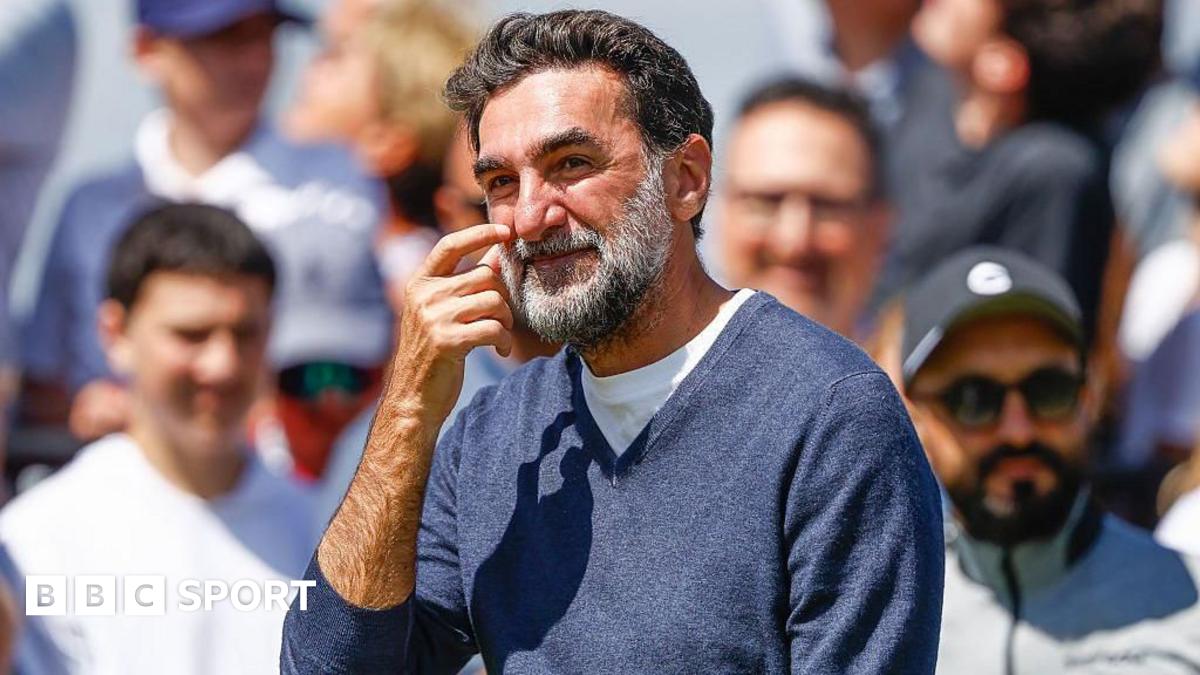
The private jets have touched down in the North East. Newcastle United’s Saudi Arabian ownership group, led by the highest-ranking Public Investment Fund executives, are officially convening on Tyneside this week. This is not a routine check-in or a ceremonial visit to wave at the Gallowgate End. The power brokers are here to map out the club's immediate and long-term future.
According to brief dispatches surrounding the visit, the agenda is vast and consequential. The honeymoon phase following the Mike Ashley era is a distant memory. The brutal reality of modern football administration has set in.
Newcastle is trapped in a frustrating paradox. They possess the wealthiest backing in world sports, yet they are completely handcuffed by the Premier League’s financial regulations. The executives sitting in the St James' Park boardroom this week are trying to solve an incredibly complex puzzle.
They need to find a way to accelerate the project without triggering points deductions. The meetings this week will set the operational budget, finalize the transfer strategy, and potentially decide the fate of key personnel across the organization.
The stakes have never been higher for the PIF project in England. They bought the club to disrupt the established elite, but the elite rigged the rules to prevent exactly that. Now, Newcastle has to outsmart them.
The Financial Stranglehold
Profit and Sustainability Rules are the dark cloud hanging over every discussion this week. PSR has completely derailed Newcastle's timeline. The initial plan was likely a sustained, aggressive spending spree. Instead, the club was forced to sit on its hands during the recent windows.
The ownership group must confront a harsh reality. How do they generate the necessary commercial revenue to compete with Manchester United, Arsenal, and Manchester City? You cannot just ink a wildly inflated sponsorship deal with a Saudi entity anymore. The league’s associated party transaction guidelines are specifically designed to block those avenues.
The math is unforgiving. If they want to spend big this summer, they have to sell. The internal debate this week will center heavily on the squad's most valuable assets.
Bruno Guimarães and Alexander Isak are the obvious candidates to balance the books. But sanctioning the sale of your best midfielder or your starting striker is a massive retreat. It sends a terrible message to the fan base and the rest of the league.
Selling a core piece essentially admits that Newcastle is a stepping-stone club, not a final destination. The executives have to weigh the financial relief of a massive sale against the sporting disaster it would cause.
There are no easy answers here. The ownership will demand creative solutions from the commercial department. They want new global partnerships, expanded retail operations, and lucrative pre-season tours. Relying solely on television money and ticket sales will keep them trapped in the mid-table.
The Managerial Evaluation
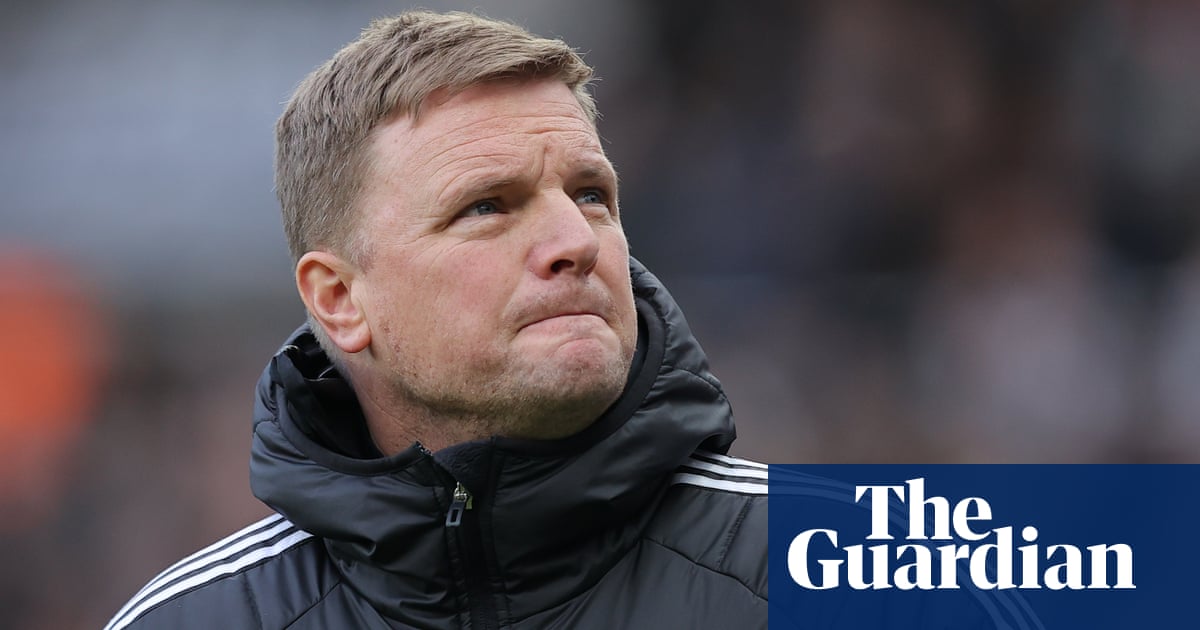
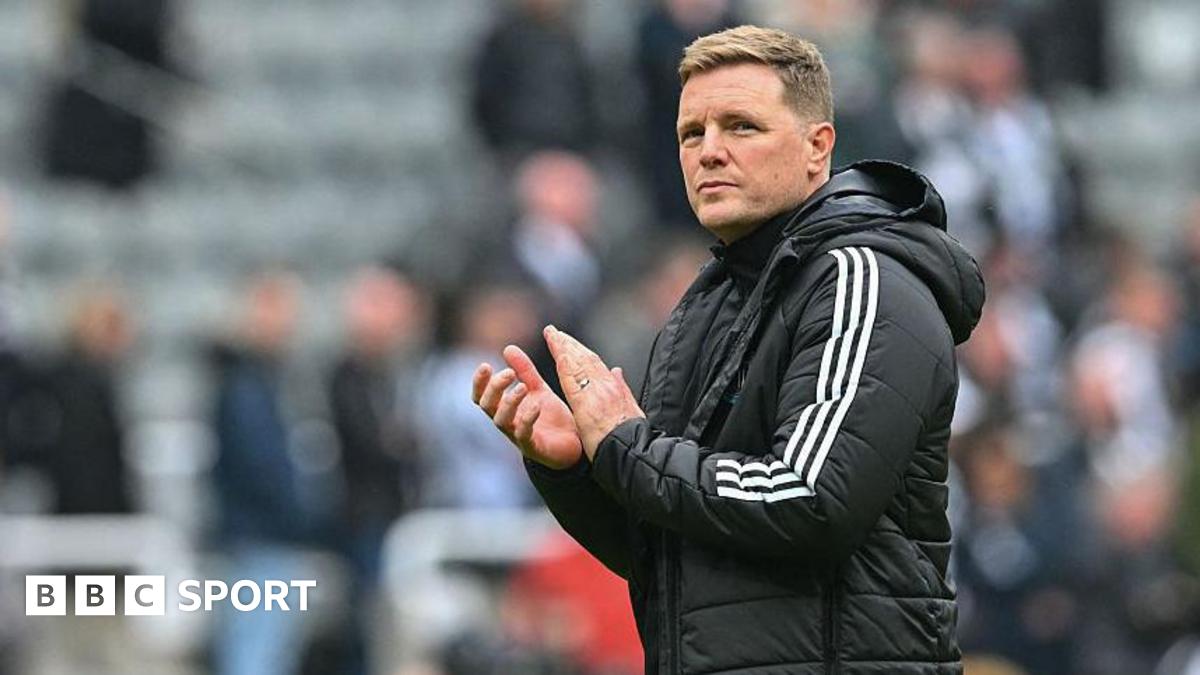
Eddie Howe's position is undeniably on the agenda. Howe performed a miracle by dragging Newcastle into the Champions League spots far ahead of the projected timeline. But in football, overachievement is often punished with unrealistic expectations.
The Saudi executives demand consistent excellence. They do not want a team that scraps for Europa Conference League qualification. They want a team that challenges for the title and reaches the latter stages of the Champions League every single year.
The discussions this week will inevitably evaluate Howe's ceiling. Is he a top-four manager, or just a very good transitional coach? The ownership group must answer that question honestly. The recent domestic struggles have exposed tactical limitations.
Howe's intense pressing system has looked ragged at times. Opposing managers have figured out how to exploit the spaces left behind his full-backs. The PIF delegation will want to know how the coaching staff plans to evolve the tactical approach.
If the board senses that Howe has taken this group as far as he can, the summer could see a brutal change in the dugout. Replacing him would be a deeply unpopular move locally, but the ownership group isn't prioritizing sentimentality.
They want trophies. The complete lack of silverware since the takeover is a glaring issue. A cup run is nice, but it isn't enough to satisfy a sovereign wealth fund that expects a return on its massive investment.
Howe has earned the right to manage this team, but that right is constantly under review. The margin for error is shrinking rapidly. The decisions made in these meetings will either empower him or start the countdown on his tenure.
The Stadium Dilemma
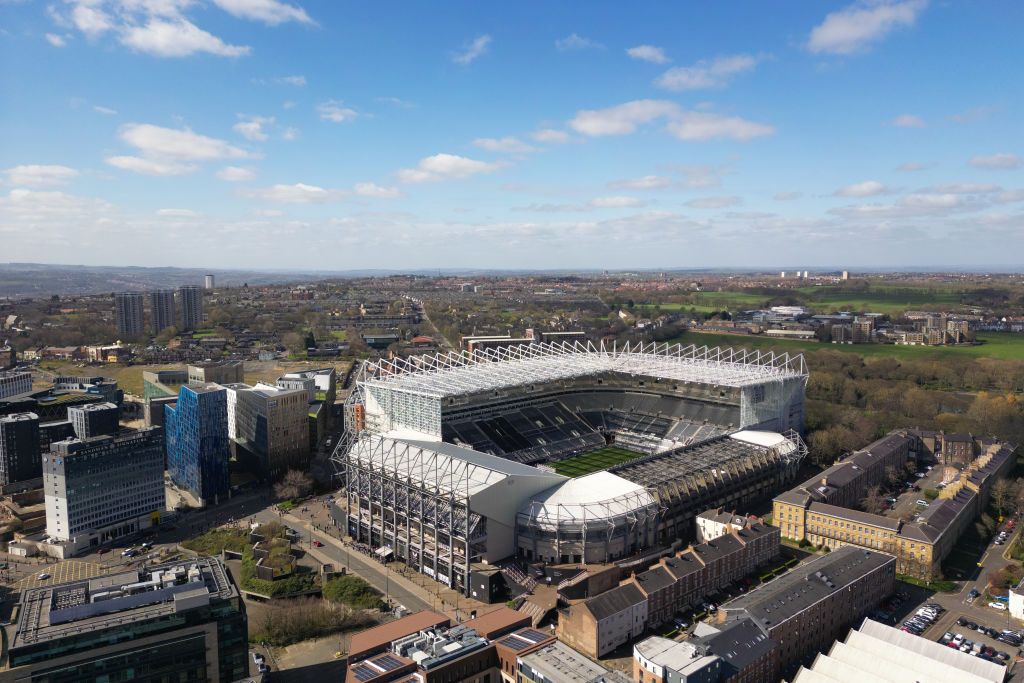
St James' Park is one of the most intimidating venues in Europe. It is also fundamentally flawed when it comes to generating elite-level matchday revenue. The stadium capacity of just over 52,000 is simply too small for a club with genuine global ambitions.
The executives are reviewing complex feasibility studies regarding the stadium's future. The options are bleak. Expanding the current ground is an architectural nightmare.
St James' Park is boxed in. The proximity to Leazes Terrace, a row of Grade I listed buildings, makes adding a new tier incredibly difficult and astronomically expensive. The engineering challenges are massive.
The alternative is unthinkable for many supporters. Leaving the city center entirely. Building a brand-new, state-of-the-art facility on the outskirts of Newcastle would solve the capacity and hospitality issues overnight.
It would also rip the soul out of the club. The stadium's location is its defining characteristic. The ownership group has to decide if they are willing to risk a massive fan revolt to secure a larger commercial footprint.
The fact that this is a primary topic of discussion this week shows that the current setup is unacceptable to the board. They look at the revenue generated by the Tottenham Hotspur Stadium and they want those numbers. St James' Park, in its current state, cannot deliver them.
Defining the Summer Strategy
Ultimately, the PIF delegation must finalize the battle plan for the upcoming summer transfer window. The club cannot afford a disjointed or reactive recruitment drive. They need targeted, elite acquisitions.
The squad is showing signs of severe wear and tear. The defensive unit requires a total overhaul. Sven Botman’s injury history is a major concern, and the depth chart behind the starting back four is woefully inadequate for a team chasing Europe.
The midfield lacks a true enforcer, someone who can dictate the tempo and protect the back line. The scouting department has undoubtedly presented a list of targets. The executives are here to sign off on the budget required to get them.
But the recruitment team is under immense pressure. They must identify high-value targets before their price tags explode. The days of paying a premium for mid-tier talent are completely over. Every single pound spent this summer has to deliver immediate on-pitch results.
They need to find the next Guimarães before he costs £40m. The recruitment has to be flawless because the financial rules punish mistakes severely.
The Academy Overhaul
There is also the pressing issue of the youth recruitment. If Newcastle cannot buy readymade superstars due to PSR, they have to produce them. The investment in the youth setup has been slow to yield first-team results. The executives will demand an audit of the academy structure.
They need a pipeline of talent that can either integrate into the first team or be sold for pure profit to balance the books. The Chelsea model of selling academy graduates to fund massive first-team purchases is certainly on the table.
But Newcastle doesn't have a world-class production line yet. Building that development system takes years, and the PIF timeline is heavily accelerated. They want results yesterday.
The reality facing the ownership group this week is that money cannot solve everything immediately. The English football system has built walls to protect the old guard. The Tyneside summit is entirely focused on finding the sledgehammer to break those walls down.
If the meetings conclude with a conservative plan, the fan base will riot. The expectation was a revolution, not a slow, methodical corporate rebuild. The PIF executives have to thread the needle. Appease the regulators, satisfy the supporters, and deliver a team capable of winning the Premier League.
It is an impossible brief. But that is exactly what they flew in to sort out. The next few days will define the Newcastle United project for years to come.