The math behind the Gunners’ lead
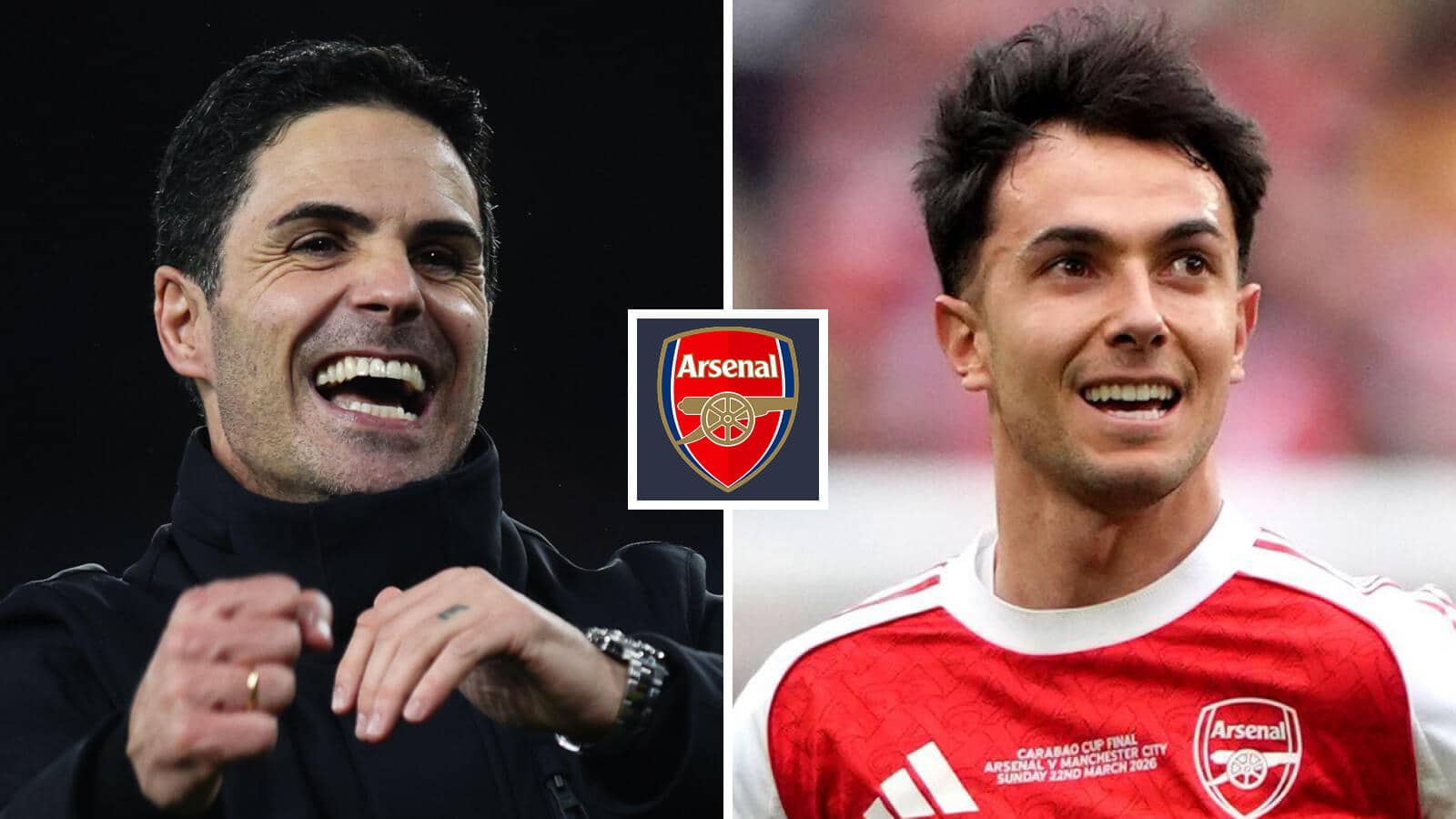
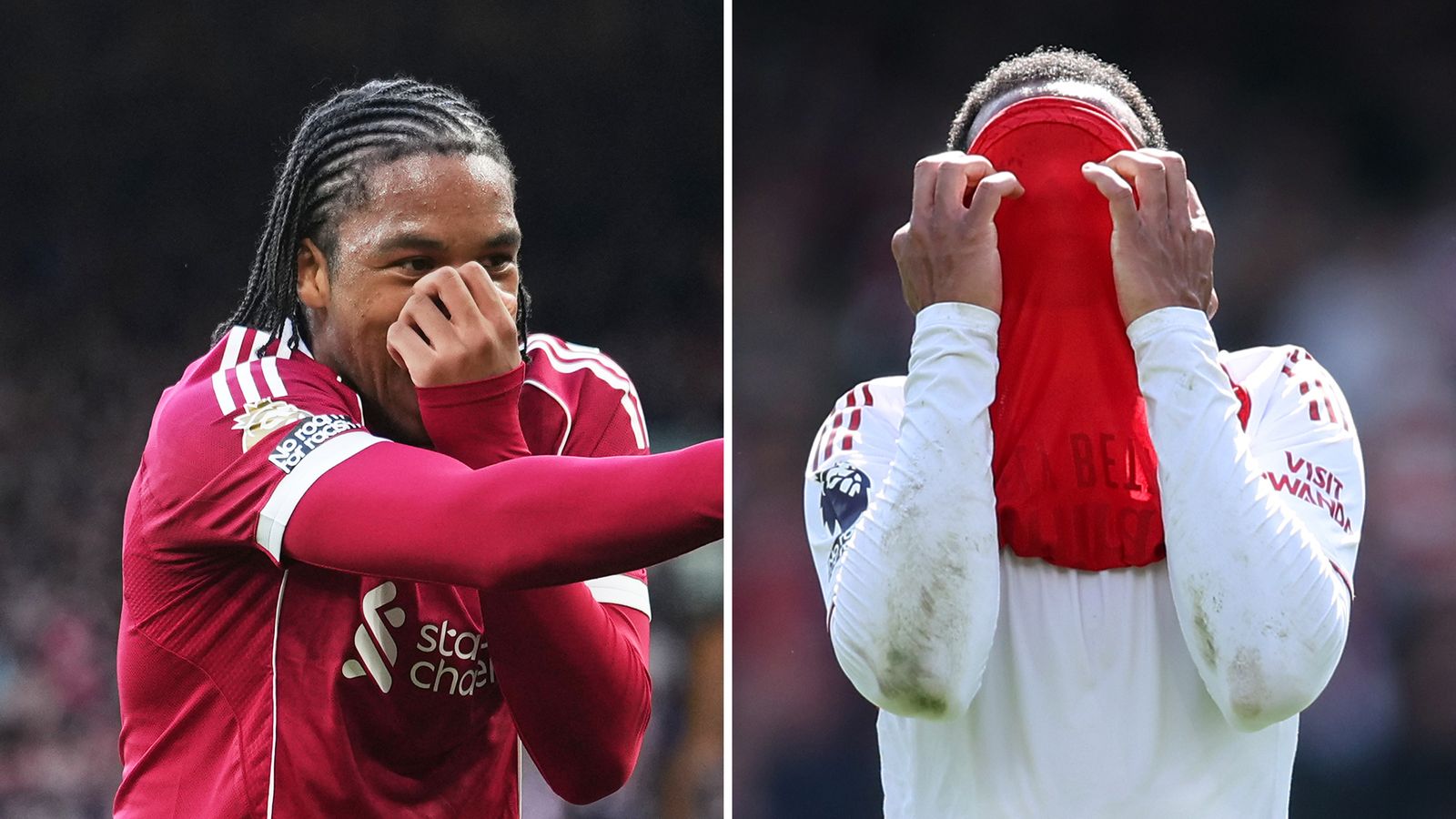
Arsenal moved three points clear of Manchester City after grinding out a 1-0 win against Newcastle. While the table looks favorable, the fixture congestion ahead of the Champions League semi-final on April 28 is a nightmare scenario for Mikel Arteta. You cannot ignore the fatigue accumulation when dealing with squads this thin at the tail end of April.
The City problem
Manchester City has historically used the FA Cup semifinal period to find their clinical rhythm. Pep Guardiola has a habit of prioritizing the depth of his roster while Arsenal is still leaning heavily on the same eleven. If Arsenal drops points before the final matchday, that three-point gap vanishes under the weight of City’s goal difference.
As Paul Merson recently noted, Arsenal doing the hard work against Newcastle is a positive, but title races are rarely won in late April. It is about the ability to sustain intensity across three fronts simultaneously. I suspect this will be the weekend where their lack of rotation depth finally bites them in the press box.
The defensive reality
The 1-0 result against Newcastle was professional, yet it lacked the creative spark required to dismantle a low block if the opposition targets Bukayo Saka. Teams are beginning to figure out that if you double up on the wings, the central channels for Martin Ødegaard become clogged. The lack of an elite aerial threat in the box remains an issue when the ground game stalls.
My take? Arsenal finishes second. They are overperforming their analytics, and the upcoming stretch is too compacted to maintain their current defensive conversion rate of 83 percent. The Premier League title will end up at the Etihad because City knows how to rotate without dropping quality. Arteta is playing on hard mode with a roster built for normal mode.
Read Next
- Arsenal's injury nightmare just turned their title charge into a circus
- Top 10: Premier League Defining Moments of 2026
- Arsenal are out of excuses as Arteta demands title ownership
- Roberto De Zerbi’s defensive gamble is Tottenham’s final roll of the dice
- ⭐ UCL 2026 — Champions League Quarter-Finals Hub