The Source and The Strategy
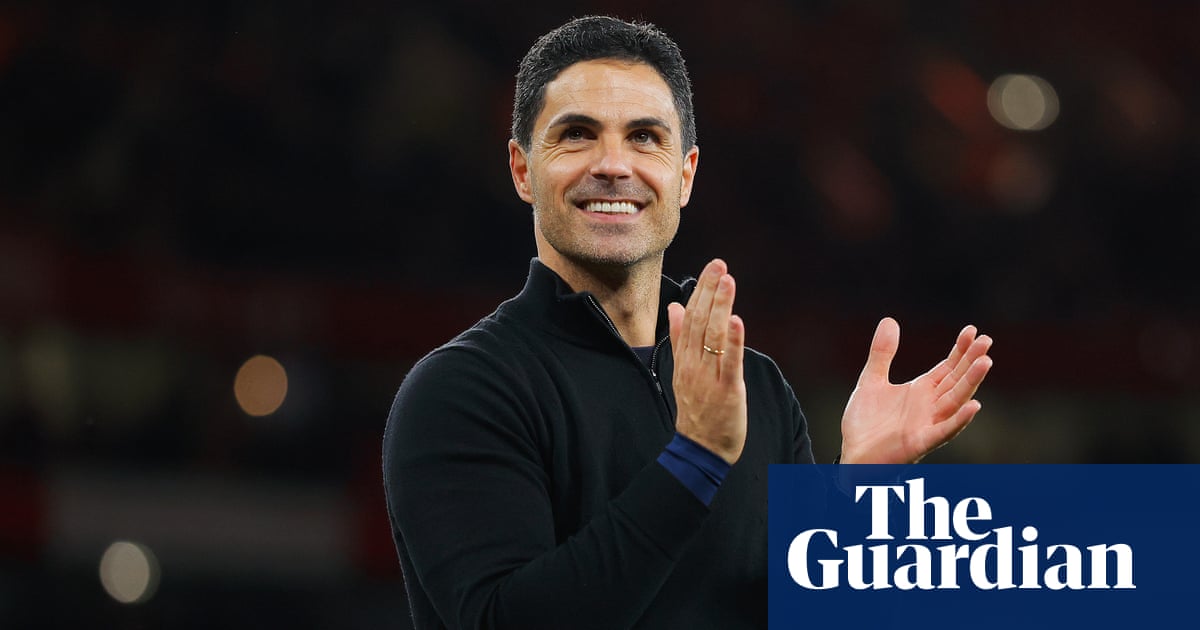
We are operating at a solid Tier 2 level here, courtesy of The Guardian's latest briefing. Arsenal have finally ended their 22-year wait for a Premier League title, and the club's ownership is wasting no time capitalising on the momentum. The immediate reward is a massive new contract for Mikel Arteta. The Spaniard is set to become one of the best-paid managers in world football. That is the baseline. It secures the managerial foundation for the next half-decade. The real story, however, is what comes next for the playing squad.
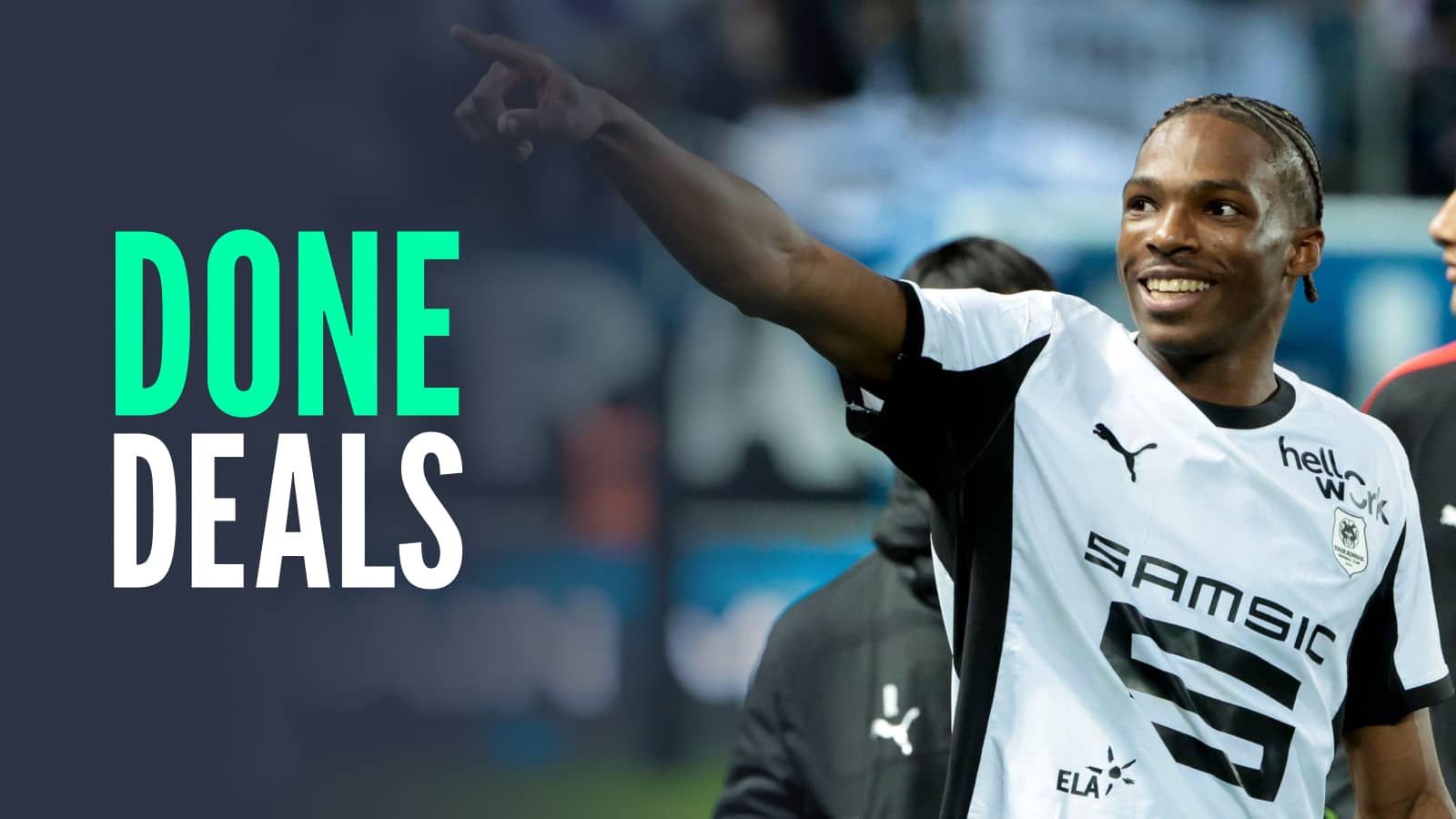
The Guardian reports that a new forward is the absolute priority for the summer window. The board has cleared funds for one marquee signing, signalling a shift from building a squad to refining a champion. Two names are officially on the list: Lorient prodigy Eli Junior Kroupi and Manchester City's Julian Alvarez. This represents a fascinating divergence in recruitment strategy. One is a high-potential teenager, the other is a proven winner already operating at the sharp end of the Premier League. Edu Gaspar and Arteta clearly have options, but they are looking at very different profiles to solve their attacking issues.
Winning the league changes how a club operates in the market. Arsenal are no longer selling a project; they are selling guaranteed contention. That shift in status makes targeting a player like Alvarez feasible, even if pulling it off remains incredibly complicated. The funds are there. The intent is obvious. Arsenal are acting like a big club again. Now it comes down to execution in a market where everyone knows they have cash to burn.
Julian Alvarez: The Marquee Dream
Let's look at Alvarez first. He is the undisputed marquee option. The Guardian explicitly names him as a target, which suggests Arsenal are willing to test Manchester City's resolve. The tactical fit is obvious to anyone who has watched Arteta's side this season. Alvarez offers relentless out-of-possession work. He presses intelligently, blocks passing lanes, and understands the complex geometric demands of a positional play system. He learned his trade in England under Pep Guardiola. Arteta speaks that exact same tactical language.
Arsenal have relied heavily on Kai Havertz and Gabriel Jesus over the past ten months, but they still occasionally lack a ruthless, high-volume finisher who also contributes heavily to the buildup phase. Alvarez solves that specific problem. He can operate as a false nine, drop into the left half-spaces to overload the midfield, or play right off the shoulder of the last defender to stretch a low block. He gives Arteta tactical flexibility without sacrificing any penalty-box threat.
The problem is the brutal reality of the transfer market. Manchester City are notoriously stubborn when it comes to strengthening direct rivals. They allowed Jesus and Oleksandr Zinchenko to leave for North London previously, but that was before Arsenal were actively beating them to the Premier League title. The entire dynamic has shifted. Would City really sanction a move for an elite 26-year-old forward to the exact team that just took their crown? It seems highly unlikely.
If Arsenal do decide to push hard for this, the fee will be astronomical. While The Guardian does not cite a specific number, taking a prime asset from a direct rival usually demands something north of £85m. Alvarez wants regular starts as a main number nine, something Erling Haaland permanently blocks at the Etihad. Arsenal can offer him that leading role immediately. That desire for minutes is the only real negotiating chip Edu has in this scenario.
Eli Junior Kroupi: The High-Ceiling Alternative
Then there is Eli Junior Kroupi. This represents the classic Arsenal recruitment model under Edu. Identify a young, highly technical forward in the French market and bring him in before his price tag reaches the stratosphere. Kroupi made his breakthrough at Lorient and has been aggressively tracked by every major European scouting department for the last three years.
He is a completely different proposition to Alvarez. Kroupi is raw. He operates best dropping deep from the forward line, picking up the ball on the half-turn, and driving directly at retreating defenses. He has exceptional close control and a nasty habit of dragging center-backs out of position. But he is absolutely not a finished product. If Arsenal sign Kroupi, they are buying potential, not immediate goalscoring returns.
This is where we have to be highly critical of the reported strategy. If the board has funds for exactly one marquee signing, spending it on a teenager from Ligue 1 feels like a massive miscalculation for a squad built to win right now. Arsenal just won the league. Their window for dominance is wide open today. Relying on Kroupi to lead the line in massive Champions League away days next season is a ridiculous risk. He lacks the physical development to hold up play against rugged Premier League center-backs. He frequently gets bullied off the ball in tight, physical spaces.
Signing Kroupi makes sense as a long-term project. It does not make sense as the primary solution to a title-winning squad's attacking needs. The reported wage packet would be modest compared to Alvarez, and the fee would likely sit in the £35m to £40m range, but the drop-off in immediate impact is severe. You do not replace the attacking output of a title-winning side with a development project.
Evaluating The Squad Needs
Arsenal's title victory masked a few persistent flaws in their attacking structure that need addressing. Gabriel Martinelli had stretches during the winter where his final ball was entirely absent, slowing down rapid transitions. Bukayo Saka was run into the ground, repeatedly playing through minor knocks because there was no reliable deputy Arteta trusted in big moments. The central striker position rotated based on opponent rather than pure goalscoring form.
Arteta demands physical intensity from his forward line. The system relies on suffocating opponents high up the pitch, forcing turnovers in the attacking third. That requires heavy rotation. Adding a forward provides more than just goals. It allows Saka, Martinelli, and Havertz to stay fresh for the final two months of the season. A marquee signing has to be ready to play heavily in the Premier League immediately, without a six-month adaptation period.
This is why the Alvarez link feels so much more aligned with where Arsenal are right now. He knows the pace of the league. He knows the tactical demands. He has the medal collection to walk into the dressing room and command instant respect from a group of newly crowned champions. Kroupi would need at least a year of adaptation, likely spending his first season getting minutes in domestic cups and off the bench when games are already comfortably won. That does not sound like a marquee signing.
The Managerial Context
We cannot ignore the context of Arteta's new deal in all of this. The Guardian rightly highlights this as a reward for ending the title drought. By making him one of the highest-paid managers globally, the Arsenal board is locking in their architect. But a massive contract also comes with massive expectations. Arteta is no longer the promising young coach rebuilding a broken culture; he is the champion who must defend his throne.
With that elevated status comes a demand for elite backing. Arteta will expect players who can win him back-to-back titles. He is unlikely to be satisfied if his only attacking reinforcement is a teenager who needs heavy coaching. The reported funds in place must translate into tangible, immediate quality. The pressure is on Edu to deliver a statement signing that matches the ambition shown in Arteta's contract extension.
Arsenal have the cash reserves. Champions League revenue, Premier League prize money, and a stable wage bill have put them in a powerful position. The question is whether they have the negotiation skills to prize an elite player away from a rival, or if they will default to the safer, youth-focused strategy that got them to this point.
Probability and Expected Timeline
So, where does this leave the current rumor mill? The massive contract for Arteta is a mere formality at this point. Expect that to be officially announced within the next few weeks, firmly locking him down through the absolute prime years of this squad's cycle. It is the smartest and most essential piece of business Arsenal will do all summer.
The striker pursuit is far more complicated. The probability of landing Julian Alvarez feels remarkably low. I would give it a 15 percent chance at best. Manchester City simply do not need the money, and they definitely do not need to hand Mikel Arteta the exact weapon he needs to comfortably defend his new title. Unless Alvarez submits a formal transfer request, burns his bridges, and explicitly refuses to play—which does not fit his established character at all—City hold all the cards.
Kroupi is a far more likely arrival. Lorient are a selling club. If Arsenal meet their valuation, the deal gets done quickly. I would rate the probability of Kroupi arriving at a solid 65 percent. The expected timeline for a move like that usually accelerates in late June, once the initial flurry of the window settles down and clubs finalize their operating budgets for the new financial year.
Arsenal have the money. They have the managerial stability secured. Now they have to decide if they want to chase an impossible dream in Manchester or gamble on a teenager from France. The transfer window is officially open, and the champions have a lot of work to do.
Read Next
- Arsenal's £34m mistake and the ruthless summer clearout
- Inside Arsenal's chaotic title party as Man City finally crack
- Arsenal finally killed the memes and the ghost of 2004
- Arsenal face their ultimate European test behind a television paywall
- 🇦🇷 Argentina World Cup 2026 — Defending Champions Hub
- ⭐ UCL 2026 — Champions League Quarter-Finals Hub