The summit of the rebuild
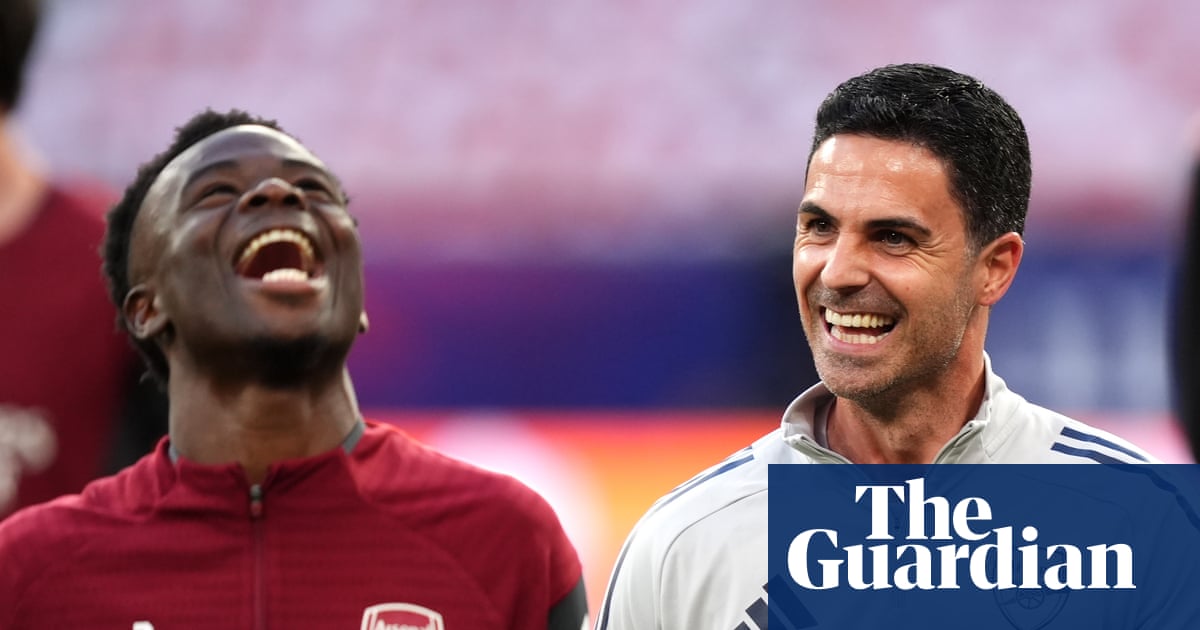
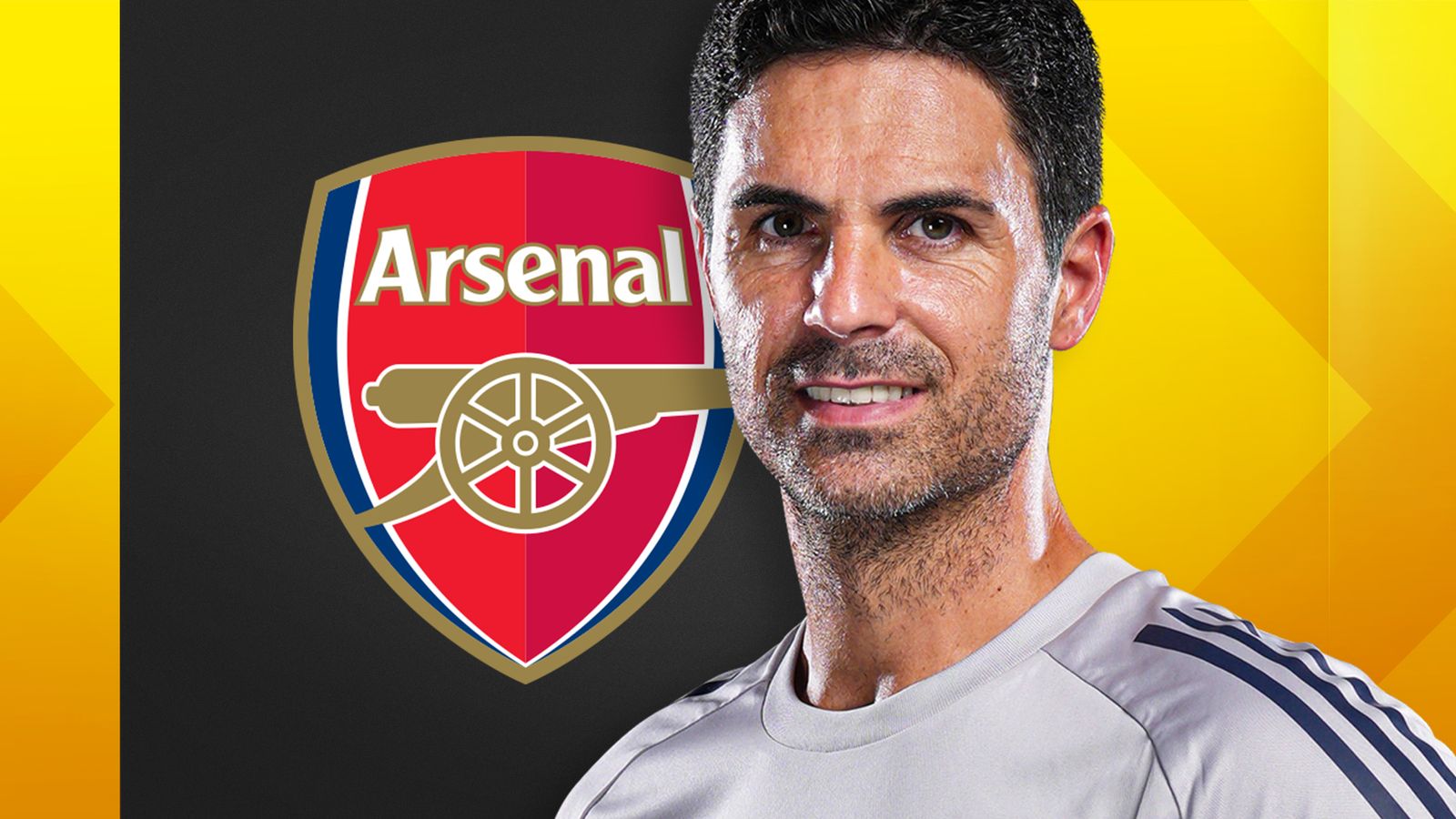
It has taken six and a half agonizing, exhilarating years. Mikel Arteta walked into a fractured football club and slowly, methodically, tore it down to the studs. He jettisoned the high-earning underperformers. He insulated the academy graduates. He installed a rigid system, suffered through the growing pains, and eventually rebooted his own tactical masterplan to reach the absolute elite level.
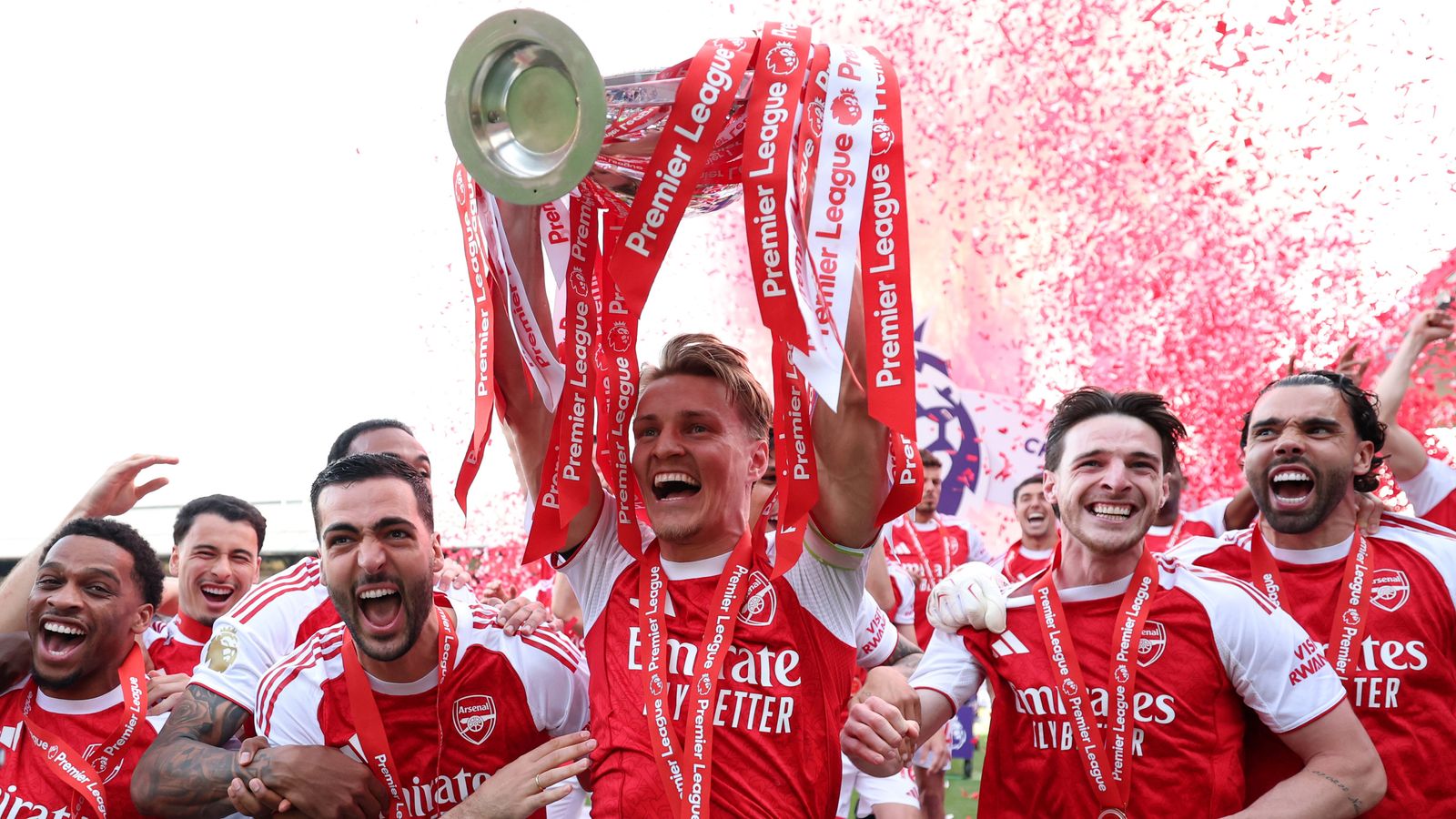
Now, Arsenal are champions. As Ian Ladyman observed in the Daily Mail, the club has been rewarded for its unshakeable belief, steadfastness, and patience. They are sitting at the top of the mountain. Domestic dominance is secured. The ghosts of the late Emirates era have finally been exorcised.
But the domestic crown is only half the story. On May 28, Arsenal step onto the pitch for the 2026 Champions League final. This is the match that defines eras. It is the fixture that separates the very good teams from the immortal ones. Arsenal have historically stumbled under the lights of European knockout football. This iteration, however, feels fundamentally different.
A tactical reboot
Look closely at how this Arsenal side operates compared to the iterations of 2022 or 2023. Back then, they were a beautiful, fragile machine. If an opponent figured out how to block their primary passing lanes, the system sputtered. Arteta was dogmatic. He demanded perfection within a highly structured positional game. When Plan A failed, the only solution provided was to execute Plan A with greater intensity.
He has since evolved, and his team has evolved with him. The current version of Arsenal is significantly more pragmatic. They do not need to dominate the ball to control the game. They have learned how to suffer in a mid-block. When the opposition presses with a front three, Arsenal effortlessly drop a central midfielder to create a 4-v-3 overload in the first phase. If the press commits higher, they bypass the second line entirely with a clipped ball to the wingers. It is ruthless, automated football.
This evolution was strictly necessary. You cannot win European knockout ties by simply hoping your attacking patterns outscore the opponent. Arteta realized that his midfield needed physical dominance, not just technical security. The shift to a more robust, defensively cynical double-pivot in transition moments is exactly why they have reached this final. They are perfectly comfortable grinding out a result in a hostile environment, relying on defensive solidity rather than attacking flair.
The English monopoly
Arsenal are the headline act, but they are not the only English side chasing European glory this month. We are staring at the very real possibility of a complete English sweep across the continent.
The Guardian noted this week that Aston Villa and Crystal Palace are also preparing for their respective European finals. It is a staggering flex of Premier League financial and tactical muscle. The depth of the English top flight is obliterating the middle class of European football.
Aston Villa's presence proves the value of Unai Emery's obsessive preparation. He turned Villa Park into a fortress and navigated the tactical landmines of knockout football with ease. His mid-block traps are suffocating, repeatedly forcing opponents into dead ends. He relies on a high defensive line that borders on the suicidal, but the offside trap is drilled to perfection. Crystal Palace, meanwhile, represents the most bizarre and brilliant subplot of the season. A club that usually measures success by Premier League survival is now 90 minutes away from lifting a major European trophy. Their counter-attacking system, built on rapid transitional bursts and direct vertical passing, bypasses the midfield completely. They do not care about possession stats. They care about attacking the space left behind advanced fullbacks.
The death of the shared moment
You would assume this unprecedented English dominance would be celebrated as a national event. You would expect pub gardens and living rooms across the country to be tuned into the same broadcast on the evening of May 28. Unfortunately, modern football rarely passes up an opportunity to alienate its core audience.
The 2026 Champions League final will not be broadcast on free-to-air television. As confirmed by FourFourTwo earlier this week, the precedent has been set and the match is firmly locked behind a paywall.
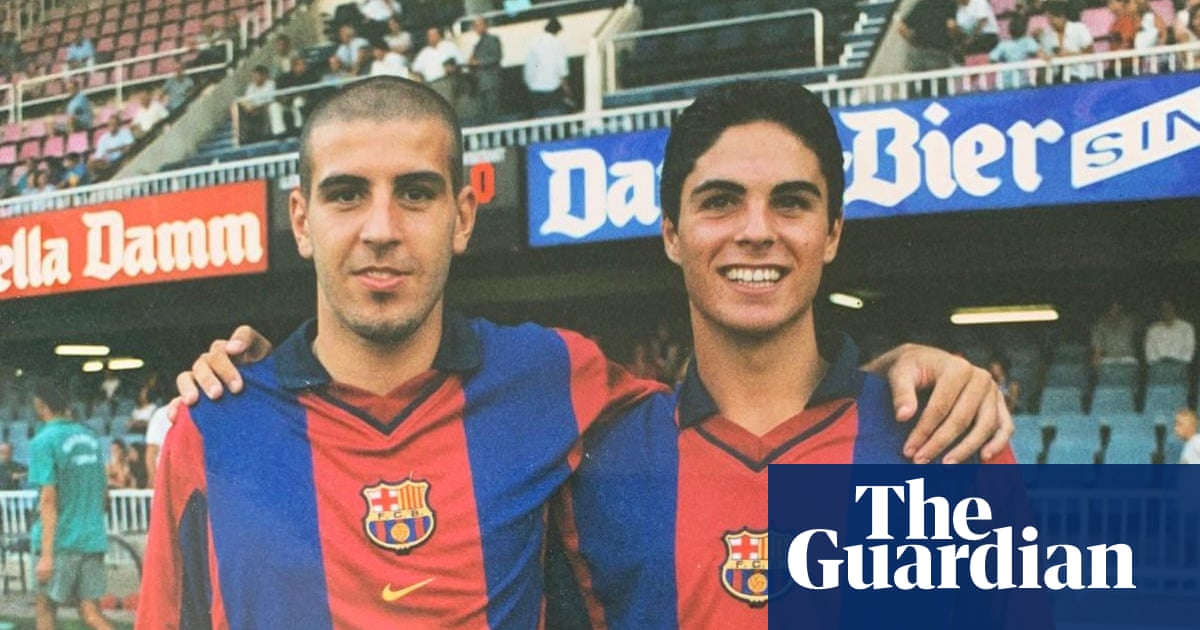
This is a deeply cynical move. The Champions League final used to be a protected cultural event. Think back to 1999 in Barcelona, or 2005 in Istanbul. Those matches are burned into the collective memory of the nation because everyone had access to them. It was the game that hooked the next generation of fans. Now, it is just another premium product for subscribers.
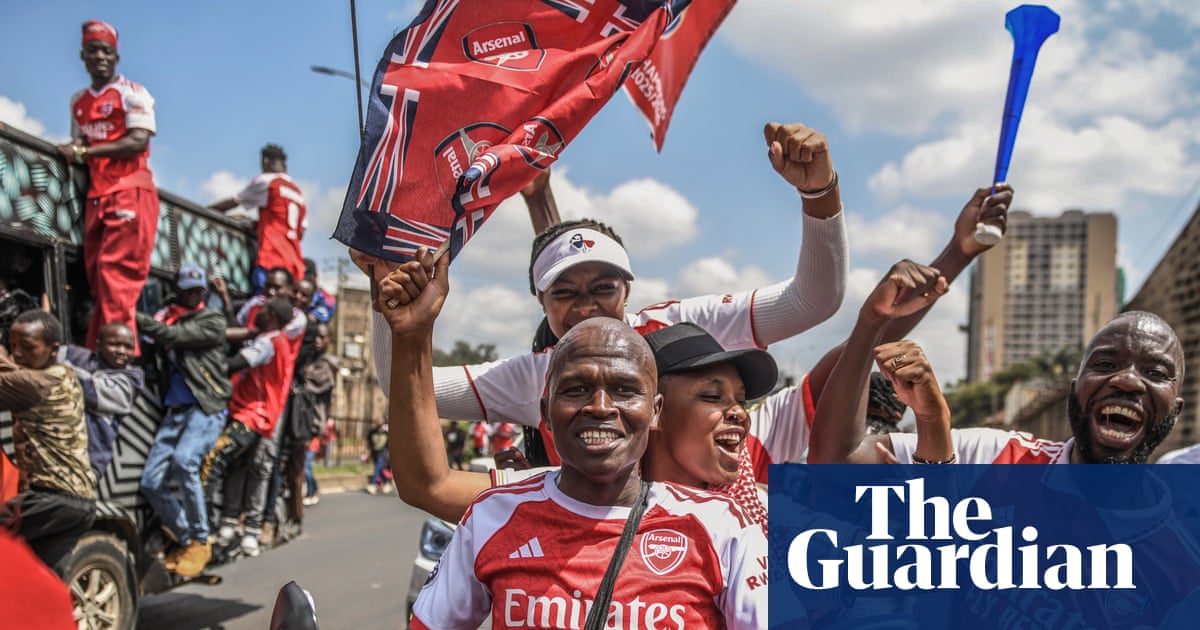
It is entirely backwards. At a time when the Premier League has never been richer, the governing bodies are squeezing the match-going, television-watching public for every last penny. The fans who stuck with Arsenal through the wilderness years of the late 2010s are now being asked to open their wallets simply to witness the culmination of the journey.
Romance at the bottom, greed at the top
The contrast between the top and bottom of the European football pyramid has never been sharper. While the Champions League final becomes an exclusive VIP broadcast, genuine footballing miracles are still happening elsewhere, completely ignored by the global financial engines of the sport.
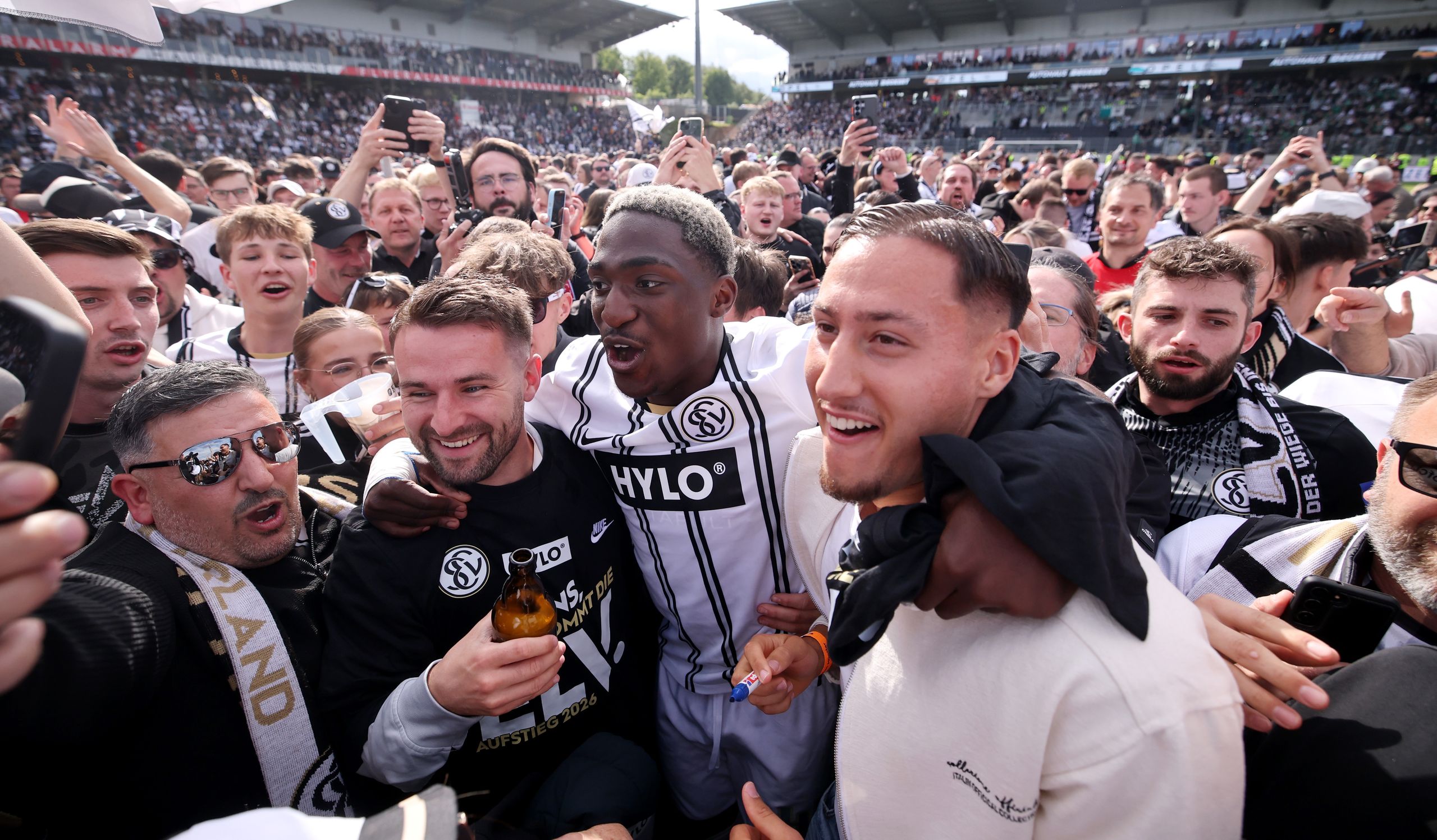
Take the Bundesliga. Next season, the German top flight will welcome a tiny provincial club that has completed a staggering, fairy-tale rise through the divisions. A feature in FourFourTwo asked if they might be the smallest club ever to reach a major European league. Their promotion validates intelligent scouting and coaching stability over endless spending.
But that romance feels completely detached from the sterile, corporate reality of the Champions League final. The elite tier of the sport operates in a different atmosphere entirely. It is a closed shop of historic giants, all fighting over the same broadcast revenue, utterly disconnected from the grassroots foundation of the game.
Breaking down the final
When the whistle blows on May 28, the broadcast politics will fade into the background. The tactical battle will dictate everything. Arsenal are entering a chess match where a single positional error will be ruthlessly punished.
Arsenal will likely face an opponent content to sit deep and absorb pressure. The classic European final template usually involves one team dominating territory while the other springs traps in transition. Arsenal must avoid the dreaded U-shaped possession trap. Moving the ball slowly from fullback to fullback, waiting for an opening that will never appear, is a recipe for disaster. We have seen Arteta's men fall into this rhythm before when faced with a well-drilled low block.
They need rapid, vertical progression. They need their wide players to isolate the opposition fullbacks early in the buildup phase, attacking the byline before the defensive shape settles. If Arsenal's wingers are forced to receive the ball with their backs to goal near the halfway line, the attack will stall completely.
The key battleground will be the half-spaces. If Arsenal's attacking midfielders can receive the ball on the half-turn between the opposition's defensive and midfield lines, they will create high-quality chances. If the opposition successfully compresses that space and forces Arsenal wide for aimless crosses, it will be a long, frustrating night in Europe.
The final verdict
Arsenal are a radically different beast compared to previous iterations. They do not panic when the script goes wrong. They are not reliant on a single player to drag them out of trouble. Arteta has built a squad with multiple tactical gears, capable of winning games through possession dominance or sheer defensive grit.
They are strong enough to defend dead-ball situations against elite physical forwards. They are intelligent enough to manage the tempo in the final twenty minutes of a tight contest. Most importantly, they finally possess the necessary ruthless streak in front of goal.
I expect Arsenal to dictate the play, probe the defensive block patiently, and eventually break through via a set-piece or a quick transition after regaining possession high up the pitch. The opposition will threaten on the counter, but Arsenal's defensive spine has proven itself to be resolute over the past nine months.
Arsenal will win this match. I am predicting a 2-0 victory to secure the trophy. It will likely be a cagey, tactical affair rather than an end-to-end classic. Arteta will finally lift the silverware his grueling rebuild deserves. It is just a massive shame that thousands of fans will be locked out of the broadcast, staring at a paywall instead of witnessing history.
Read Next
- Arsenal will win the Champions League, but the TV paywall is a disgrace
- Arsenal's £34m mistake and the ruthless summer clearout
- Arsenal finally killed the 22-year ghost by embracing absolute boredom
- Arsenal's 22-year title drought is over thanks to a suffocating defense
- ⭐ UCL 2026 — Champions League Quarter-Finals Hub