The Release Valve
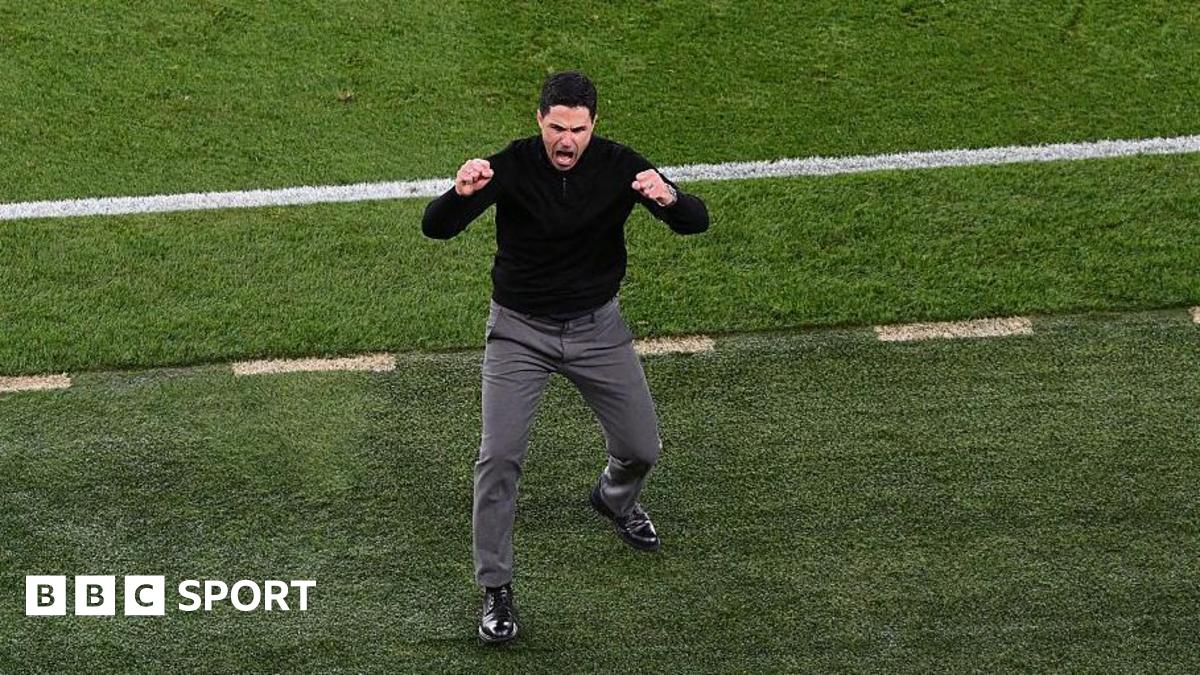
Mikel Arteta built his managerial reputation on absolute control. Every movement on the pitch, every press conference answer, and every training session is meticulously managed. That control completely evaporated on Sunday night.
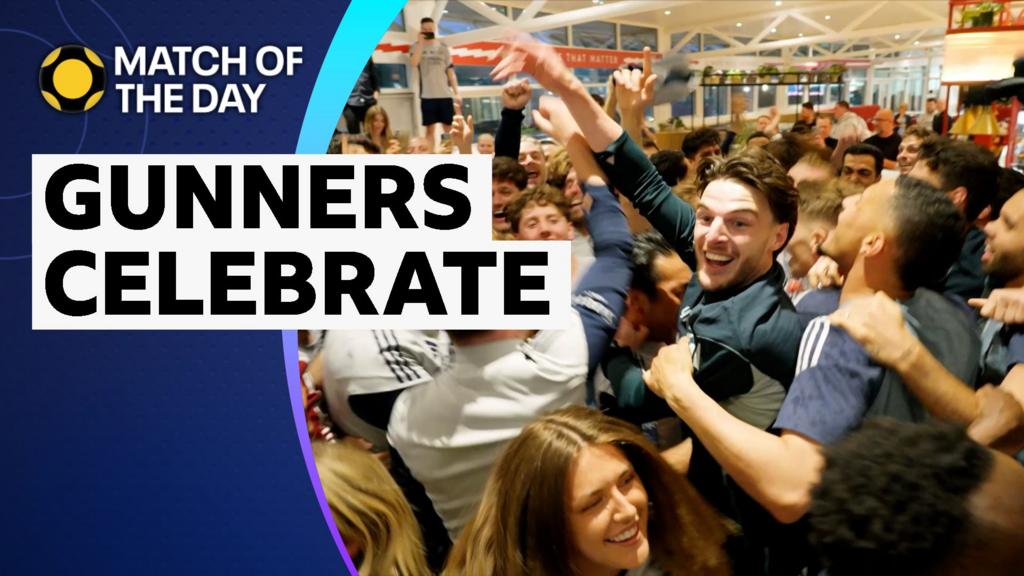
The defining image of Arsenal’s first Premier League title since 2004 will not be a goal or a perfectly executed tactical shape. It will be the chaotic, unscripted swimming pool party that followed Manchester City's catastrophic failure.
Players and staff celebrated through the night. The release of tension was massive. A private squad WhatsApp group acted as the match-stick, igniting impromptu gatherings the second the final whistle blew on the south coast.
Nobody was sleeping. The squad had gathered, watched the television screens, and prayed for a miracle. Bournemouth delivered it.
The moment City dropped points, the mathematical reality set in. Arsenal are champions. The 22-year wait is over. The celebrations that spilled into the pool were the physical manifestation of two decades of pent-up frustration leaving north London.
The Anatomy of City’s Collapse
To truly grasp the magnitude of Arsenal's achievement, we have to examine the final moments at the Vitality Stadium. Manchester City do not simply lose; they usually suffocate their opponents into submission.
Bournemouth refused to follow the script. As the clock ticked past the 80th minute, City’s usual rhythmic passing gave way to forced, desperate vertical balls.
Kevin De Bruyne, normally the architect of late-season miracles, looked distinctly human. The physical demands of playing a high-intensity system across four different competitions finally broke City’s legs.
Arsenal’s fitness staff would have watched those closing stages with quiet vindication. City players were losing second balls. They were a yard slow in transition. The physical toll of constantly chasing perfection eventually catches up with everyone.
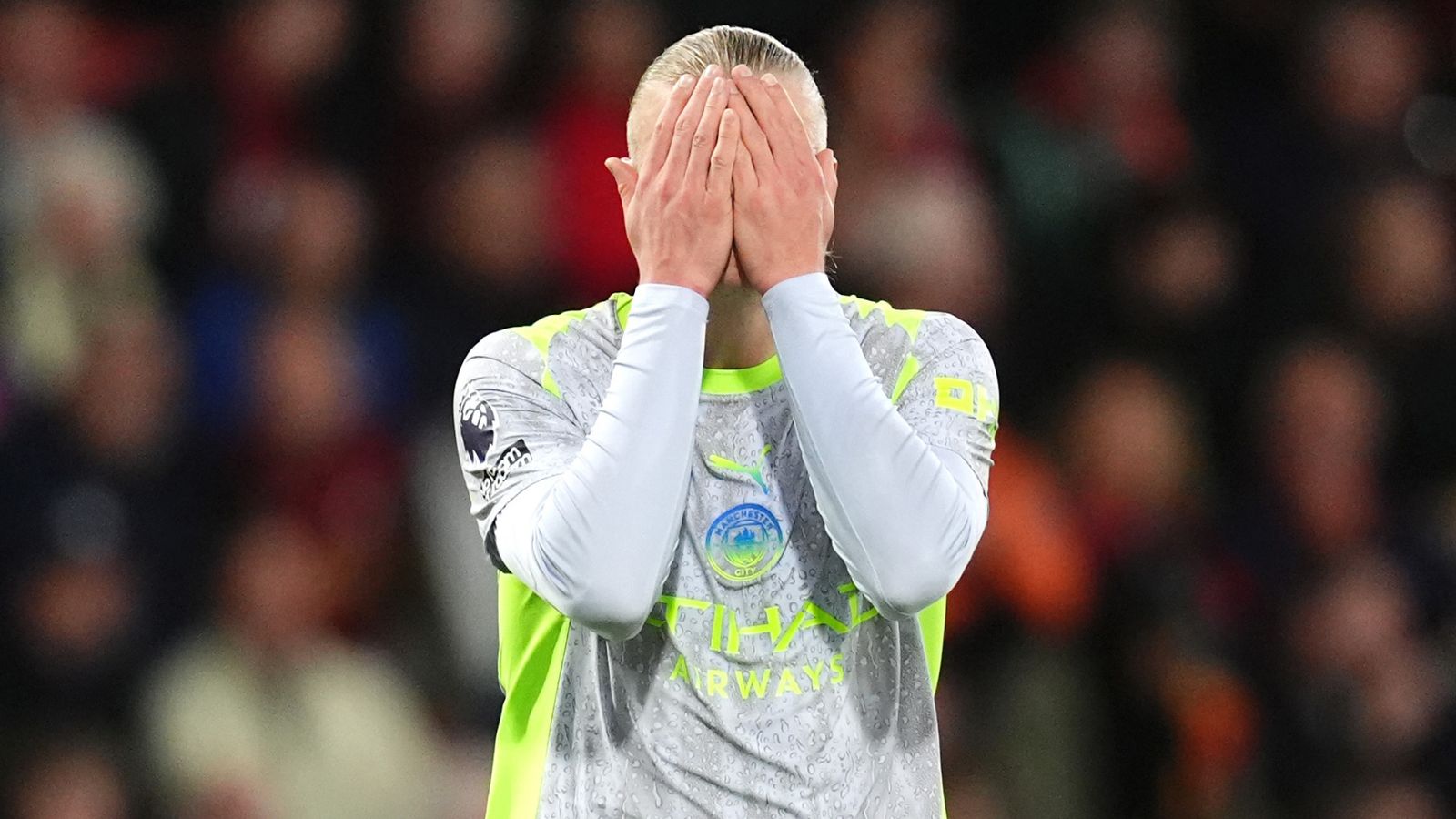
Bournemouth’s defensive block held firm, denying the champions the space they normally exploit. When the final whistle sounded, City players collapsed to the turf. They knew they had handed the trophy to Arsenal.
The Medical and Physical Reality
As a fitness and conditioning analyst, I have tracked Arsenal's physical metrics closely all season. The difference between the Arsenal of 2023 and the Arsenal of 2026 is entirely physiological.
Three years ago, the team physically broke down. William Saliba suffered a back injury. Takehiro Tomiyasu was unavailable. The squad simply lacked the muscular endurance to sustain a high-pressing game for ten months.
Arteta and his medical staff learned a brutal lesson. They stopped treating recovery as an afterthought. They built a robust, heavy squad capable of winning ugly duels in January and February.
Look at the physical profiles of Declan Rice and Gabriel Magalhães. These are big, durable athletes. They absorbed the blows that shattered previous Arsenal iterations.
The squad missed remarkably few games to soft-tissue injuries this season. That is not luck. That is superior load management and sports science. They built armor.
A Dangerous Gamble
However, we must be highly critical of the process to appreciate the result. Arteta's stubbornness nearly cost them again. His refusal to rotate key wingers early in the season looked reckless.
Bukayo Saka looked dangerously fatigued by March. The manager gambled heavily on the fitness of his core eleven.
If one key piece had snapped, this pool party never happens. It was a high-wire act that succeeded, but it was an incredibly risky strategy that pushed players to the absolute limit of their physiological red zones.
A Squad Forged in Past Failures
Arsenal fans are conditioned for heartbreak. The scars of past title charges run deep in the fanbase and the club's walls.
In 2008, a horrific injury derailed a team that played beautiful but fragile football. In 2016, they watched Leicester City perform a miracle while Arsene Wenger’s squad stumbled.
Even under Arteta, the pain has been sharp. The late-season collapse in April 2023 was a brutal learning experience. This current iteration of Arsenal was built specifically to survive those spring pressure cookers.
The club's recruitment strategy explicitly targeted mental resilience alongside technical ability. They stopped signing luxury players and started signing absolute warriors.
The dressing room culture shifted from a place of comfort to an environment of relentless, demanding accountability. The private WhatsApp group that kicked off Sunday’s party is evidence of this tight-knit culture. They celebrate together because they suffered together.
The Tactical Evolution
Arteta’s initial blueprint at Arsenal was an exact replica of Guardiola’s philosophy at City. Over time, he realized you cannot beat Guardiola by playing his exact game.
The turning point came when Arsenal embraced a more pragmatic, physically dominant style of play. They became the best set-piece team in Europe. Instead of always trying to pass through a low block, they utilized their height to bully opponents in the penalty box.
This tactical shift reduced the physical running load on their central midfielders. By scoring early from set-pieces, Arsenal could control the tempo of matches rather than constantly chasing the game.
There were weeks in November and December where the football was slow, turgid, and difficult to watch. Arteta’s insistence on a rigid structure sometimes stifled his attacking players.
Gabriel Martinelli spent large portions of the season isolated on the touchline, sacrificing his individual output for the defensive solidity of the team. Arsenal sacrificed flair for durability. It won them the title, but it made them a significantly less entertaining watch than the Invincibles.
The Morning After
Arsenal will eventually have to sober up. The parade must be planned. The trophy presentation awaits.
The club's medical staff will undoubtedly be horrified by the prospect of dehydrated players jumping into pools at 3 AM. A swimming pool party in the middle of May breaks every rule of athletic recovery.
For one night, the manuals were ignored. The players earned the right to act like fans.
Guardiola and Manchester City will react furiously. They will spend money. They will retool.
Arsenal cannot rely on City slipping at places like Bournemouth every year. They will need to defend this title with even more physical intensity than they used to win it.
Arteta knows this. Once his headache clears, his focus will immediately turn to pre-season conditioning. For now, though, he gets to enjoy the water. He took a broken club, rebuilt it from the studs, and finally dragged them to the summit.
Read Next
- Arsenal finally killed the 22-year ghost by embracing absolute boredom
- Top 10: Moments That Defined Arsenal's 22-Year Title Wait
- Pep Guardiola is leaving Man City and Arsenal are about to take over
- Arsenal finally killed the memes and the ghost of 2004
- ⭐ UCL 2026 — Champions League Quarter-Finals Hub