The high stakes of the 2026 Champions League final
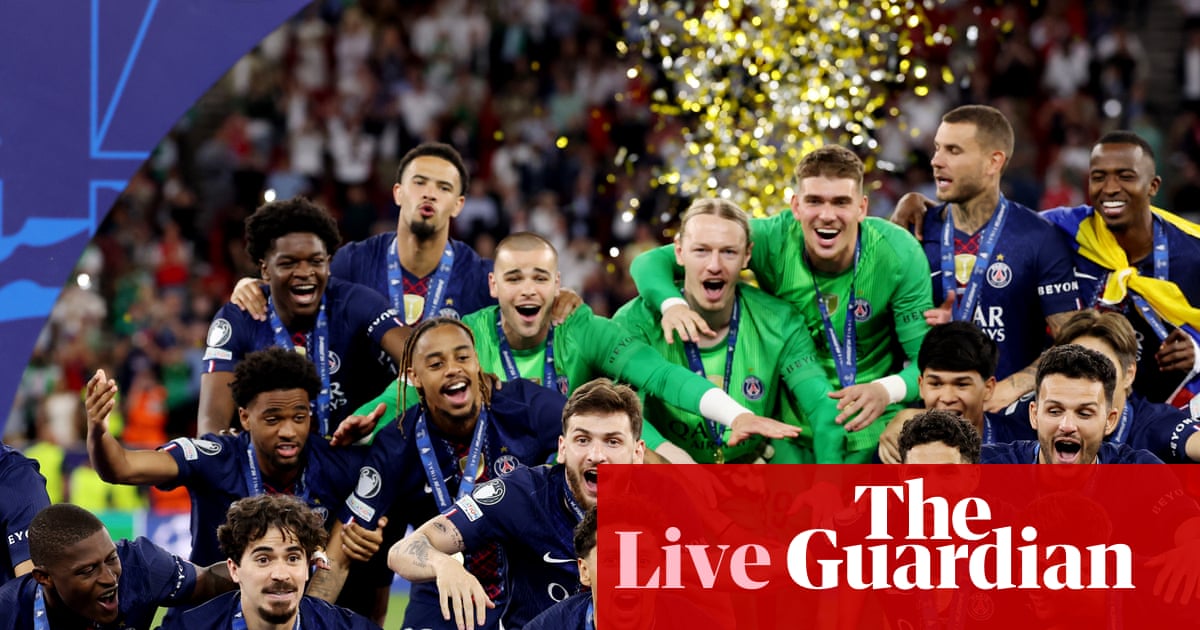
Arsenal head into tonight’s Champions League final against Paris Saint-Germain holding their breath regarding fitness. The squad arrives in Budapest after a relentless campaign, with manager Mikel Arteta balancing the need for fresh legs against the requirement for elite tactical discipline.
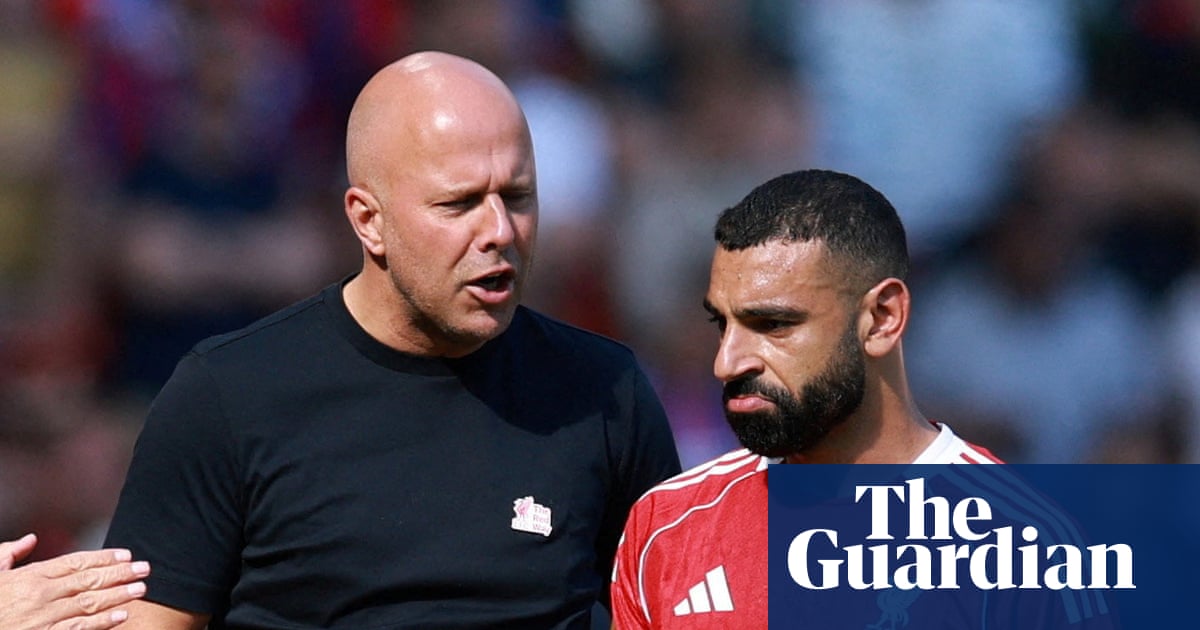
As The Guardian reported, the pressure at the Puskás Aréna is immense. Arsenal has reached this stage after failing in the final stretch for three consecutive seasons. Any minor knock carries the weight of a franchise's reputation.
The fitness narrative
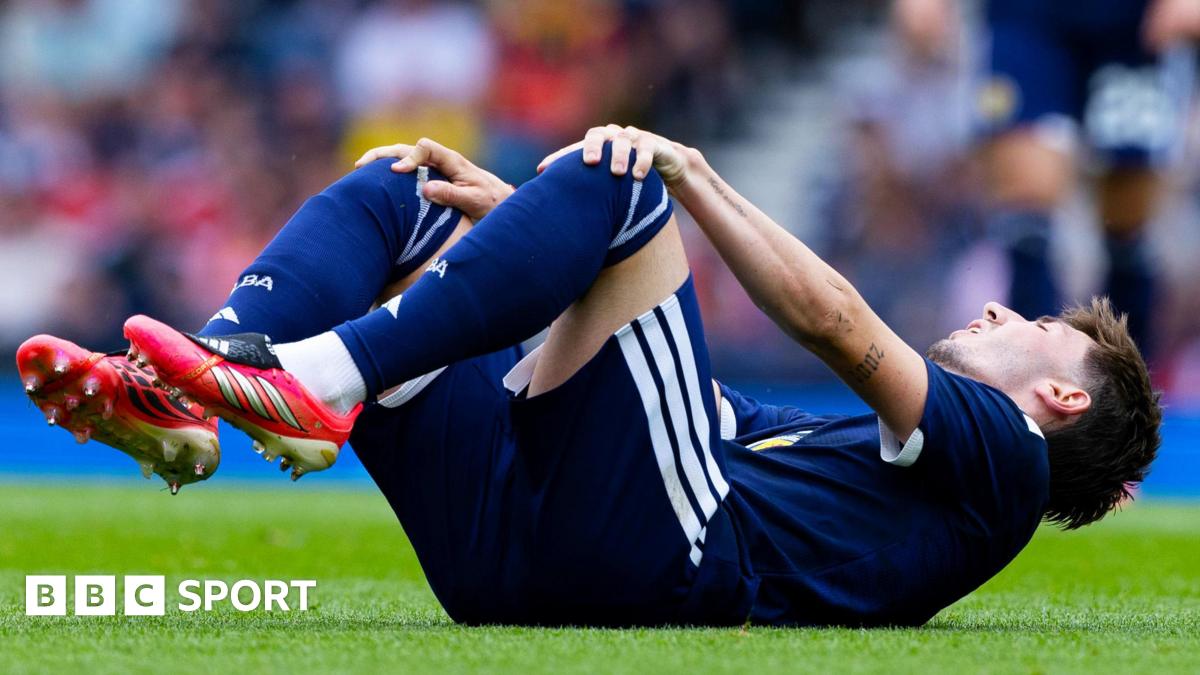
Arteta has leaned on a tight rotation throughout the spring. While officially tight-lipped on personnel, the training sessions since Wednesday indicate heavy taping on several key defenders. Fatigue is the primary enemy here, not just acute trauma.
Historically, Arsenal’s late-season slides often trace back to over-extended starters. The club medical staff has been aggressive with load management, but the Champions League trophy remains the final, uncrossed item on the list. The decision to risk players nursing lingering hamstring tightness will define the match outcome.
Strategic implications for the World Cup buildup
With the 2026 FIFA World Cup kickoff just 12 days away, national team managers are watching Budapest with genuine anxiety. A deep run into extra time tonight, combined with the risk of re-aggravating mid-season strains, puts several starters on the bubble.
If a player breaks down tonight, they are effectively ruled out for their respective national camps. Arteta knows the long-term cost, but the 87th minute of a European final rarely permits the luxury of caution.
The burden of expectation
Arsenal’s squad depth has been praised, yet the drop-off from the starting XI is observable to anyone watching the tactical switches during the Premier League run-in. A forced substitution in the first half could jeopardize the high-press system that brought them to Budapest.
The club has consistently failed to convert close-run title chases into hardware for three years. This final is the inflection point. If they lose, the narrative shifts from tactical brilliance to an inability to close under pressure. If they win, the fitness risks taken throughout May will be framed as a masterful gamble.
Clinical concerns
Medical staff have cleared the immediate squad for participation, yet the risk of muscle tears remains high given the volume of minutes since January. Arteta highlighted the emotional toll of the final, but the physical tax is equally dangerous.
There is no secondary plan if the designated starters fail early. The team has operated on a narrow margin of error all season, relying on chemistry over brute force. Breaking that chemistry via forced injury substitutions against a side as dynamic as Paris Saint-Germain is a recipe for a tactical surrender.
Tactical reliance
Arteta’s system relies on the inversion of fullbacks and the high positioning of midfielders. Should a key tactical cog go down, the transition defense immediately becomes vulnerable to the pace of the Paris front line. They have limited options for late-game defensive reinforcements if the game drifts into penalties.
The club has managed to keep the core injury count low compared to rivals like Manchester City or Liverpool. However, playing a final on the cusp of an international tournament changes the calculus for every 50-50 challenge. Tonight’s match is not just about a trophy; it is a high-stakes calculation of squad longevity versus immediate glory.
Read Next
- Arsenal and PSG collide in Budapest with history on the line
- Arsenal and PSG are locked in a tactical stalemate at the Allianz Arena
- Arsenal's European dream scarred by late-match fitness disasters
- Budapest awaits as Arsenal prepares for the ultimate PSG chess match
- ⚽ Ligue 1 2025-26 — PSG, Monaco & the Title Race Hub
- 🏆 UCL Final 2026 — Munich May 28 — Full Coverage Hub