The selection that defined a failure
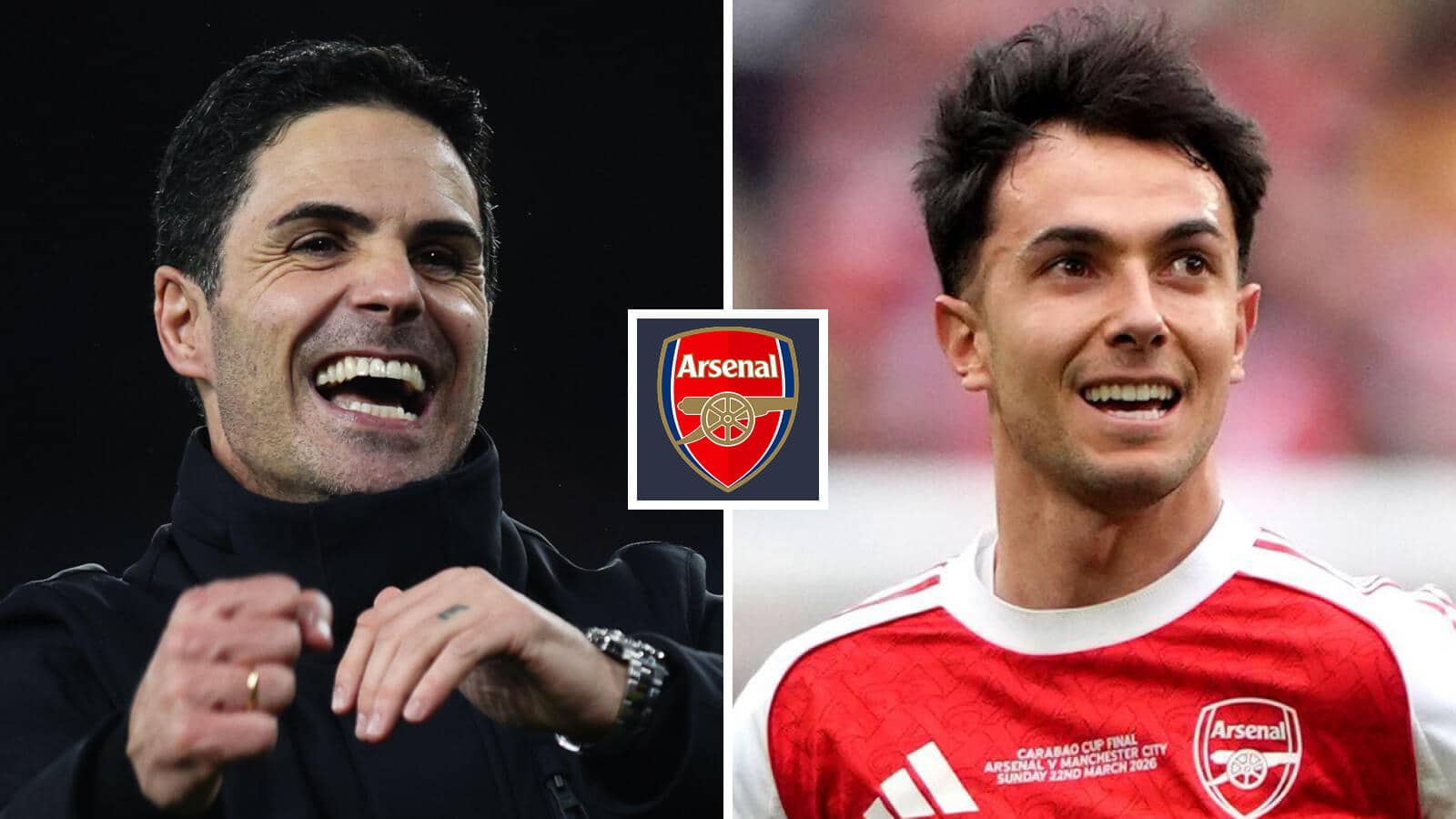
Mikel Arteta walked into the post-match press conference at Wembley with the weight of a lost trophy on his shoulders. The decision to start Kepa Arrizabalaga over the established first-choice goalkeeper was the primary talking point. It was a choice that prioritized distribution and tactical familiarity, yet it abandoned the defensive security that defined Arsenal's run to the final.
The error happened in the 64th minute. A speculative strike from the edge of the box should have been a routine save. Instead, the ball slipped through the goalkeeper's gloves and into the net. Manchester City capitalized on the lapse, shifting the momentum of the tie instantly.
Arteta's tactical obsession
Arteta has long prioritized keepers who function as an eleventh outfield player. This philosophy assumes that the risk of a high-line error is mitigated by the ability to play through a press. Against a team like Manchester City, that logic is flawed. As reported by the Mirror, the manager remained defiant when asked about the selection process. He maintains that the goalkeeper provided the best tactical fit for his specific system.
However, the numbers tell a harsher story. Arrizabalaga has struggled with shot-stopping consistency throughout his loan spell. By choosing to play him in a high-stakes final, Arteta effectively gambled his team's defensive integrity on a player whose form had been erratic for months.
The fallout from a lost final
The 1-0 scoreline does not reflect how thoroughly City controlled the midfield after the goal. Arsenal looked rattled, unable to recover their composure after the blunder. It raised questions about the manager's loyalty to specific tactical profiles over raw performance metrics.
This is not the first time Arteta's personnel choices have been scrutinized. His reliance on specific profiles has occasionally left the squad thin during injury crises. By benching his most consistent performer for a cup final, he signaled a disregard for current form in favor of ideological rigidness.
I have to make decisions that I believe give us the best chance to win, and I stand by the choice I made.
That sentiment, while professional, rings hollow to supporters who watched their team lose a major trophy due to a preventable mistake. The error was not just a lapse in concentration; it was a consequence of a selection strategy that ignored the basic requirements of the position. Goalkeepers are primarily paid to keep the ball out of the net, not to act as auxiliary playmakers.
Looking toward the final stretch
Arsenal must now pivot back to their league campaign. The psychological damage of losing a final in this manner is significant. If Arteta continues to prioritize tactical theory over functional reality, he risks alienating a squad that has performed well under different conditions.
The rotation of the goalkeeper position has created an unnecessary tension within the dressing room. The coverage of the final highlighted how quickly a minor decision can escalate into a season-defining narrative. Arteta now faces a difficult task in convincing his players that his system remains the most viable path to silverware.
Management at this level requires a balance between vision and pragmatism. The Carabao Cup final proved that Arteta leans too far toward the former. If he wants to lift the Premier League trophy, he needs to ensure his selection is based on who can actually stop the opposition from scoring.
Read Next
- Arteta's goalkeeper gamble backfires in the worst possible way
- Arsenal's Carabao Cup collapse reveals a recurring tactical ceiling
- Arsenal and Manchester City delivered a tactical stalemate that nobody wanted
- Arteta's goalkeeper gamble backfires in Carabao Cup heartbreak
- ⭐ UCL 2026 — Champions League Quarter-Finals Hub