
Arsenal's tactical blueprint is officially stale

The illusion of control
Manchester City did not just beat Arsenal in the Carabao Cup final. They solved them. For the better part of two years, Mikel Arteta has built a machine predicated on suffocating positional play and overwhelming wide overloads.
But at Wembley, that machine ground to a halt. Arsenal looked entirely devoid of answers when their primary patterns were cut off. As the Mirror correctly noted, they were "lacking ideas, invention and a spark."
This wasn't a smash-and-grab. It was a systematic dismantling. City allowed Arsenal to hold the ball in their own defensive third, stepping off the aggressive high press we usually associate with Pep Guardiola's side. Instead, they set up a mid-block that specifically targeted Arsenal's central progression.
Arsenal finished the match with a miserable 0.41 xG from open play. That isn't just a bad day at the office. That is a tactical failure.
The Odegaard isolation
Everything Arsenal does well flows through Martin Odegaard. He is the trigger for their pressing and the metronome for their final-third possession.
City knew this. They deployed Mateo Kovacic to shadow the Norwegian, but it wasn't a simple man-marking job. Kovacic was supported by a hybrid backline that seamlessly shifted into a back five out of possession. Whenever Odegaard drifted into the right half-space, Nathan Ake stepped up to compress the zone.
The result was jarring. Odegaard managed just 34 touches in the first half. He didn't complete a single pass into the penalty area before the 68th minute.
When your primary creator is neutralized this completely, you need an alternative route. Arsenal simply did not have one. Declan Rice was forced to drop deeper to pick up the ball from the center-backs, removing his driving runs from the attacking equation.
Predictability on the flanks
Arteta's offensive structure relies heavily on isolating Bukayo Saka and Gabriel Martinelli against opposing fullbacks. It is a highly effective strategy when the ball is moved quickly from side to side.
But City refused to be dragged out of shape. They doubled Saka immediately. Every time the winger received the ball, Josko Gvardiol was right in his face, with Jack Grealish dropping deep to cut off the inside lane.
Saka was forced backwards. Time and time again, he recycled possession to Ben White. The overlap was completely neutralized. Arsenal's wide play became entirely sterile.
On the opposite flank, things were even worse. Kyle Walker handled Martinelli with ease. Arsenal's insistence on hitting the same predictable triggers allowed City's defense to settle into a comfortable rhythm.
Arteta's stubbornness
This is where the criticism must fall squarely on the manager. Arteta is a brilliant tactician, but his in-game management remains incredibly rigid.
When Plan A fails, he rarely reaches for a genuine Plan B. Instead, he asks his players to execute Plan A with more intensity. Against a team like Manchester City, intensity is not enough.
Arsenal needed an element of chaos. They needed verticality. Yet, Arteta waited until the final fifteen minutes to introduce Leandro Trossard, and even then, the structural approach remained identical.
- No shift to a double pivot to aid progression.
- No attempt to overload the center of the pitch.
- No direct balls behind City's high line.
They simply kept passing the ball in a U-shape around the perimeter of City's block. It was pedestrian.
The road ahead
Losing a cup final is a blow, but the manner of the defeat is what should worry Arsenal fans. City laid out a blueprint for how to nullify Arteta's system.
Opposing managers will watch that tape. The low-block teams in the Premier League will see how easily Arsenal's wide combinations were shut down when the central zones were congested.
Arsenal desperately need to turn things around. They need a tactical refresh. Whether that means incorporating a more orthodox striker, tweaking the midfield balance, or simply giving the wingers more freedom to roam centrally, something has to give.
If Arteta refuses to adapt, this Carabao Cup disappointment will quickly bleed into their title challenge. The warning signs are flashing. The machine is stalling.
Read Next
- Arsenal's Carabao Cup collapse is the wake-up call Viktor Gyökeres needed
- Top 10: The defining moments of the 2025/26 domestic cup season
- Arsenal's Wembley failure exposes Arteta's biggest tactical blind spot
- Top 10: The defining moments of the 2025/26 domestic season
- ⭐ UCL 2026 — Champions League Quarter-Finals Hub
Official Manchester City FC Fan Scarf - Sky Blue/White
Show your Cityzens pride during the title race or at the pub.
Frequently Asked Questions
How did Manchester City neutralize Arsenal's attack in the final?
What strategy did City use to silence Martin Odegaard?
Why were Bukayo Saka and Gabriel Martinelli ineffective during the match?
Why is Mikel Arteta being criticized following this performance?
What were the key statistical indicators of Arsenal's tactical failure?
More Coverage
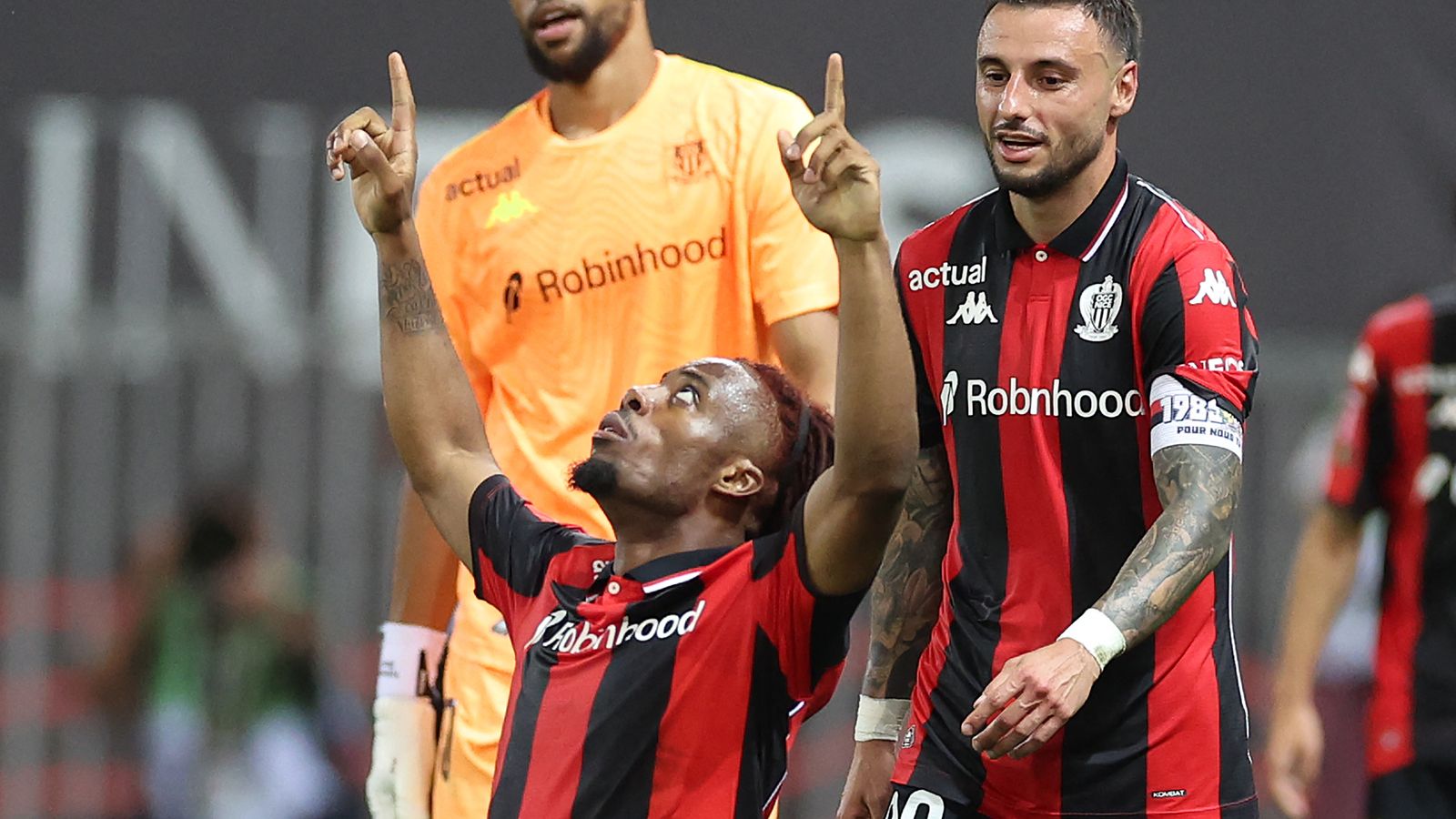
Nice saved their season, but 2026 demands a complete tactical reboot
an hour agoArsenal’s European ambition check is about eighty games overdue
an hour ago
Arsenal weigh up Ethan Nwaneri departure as Premier League interest grows
an hour ago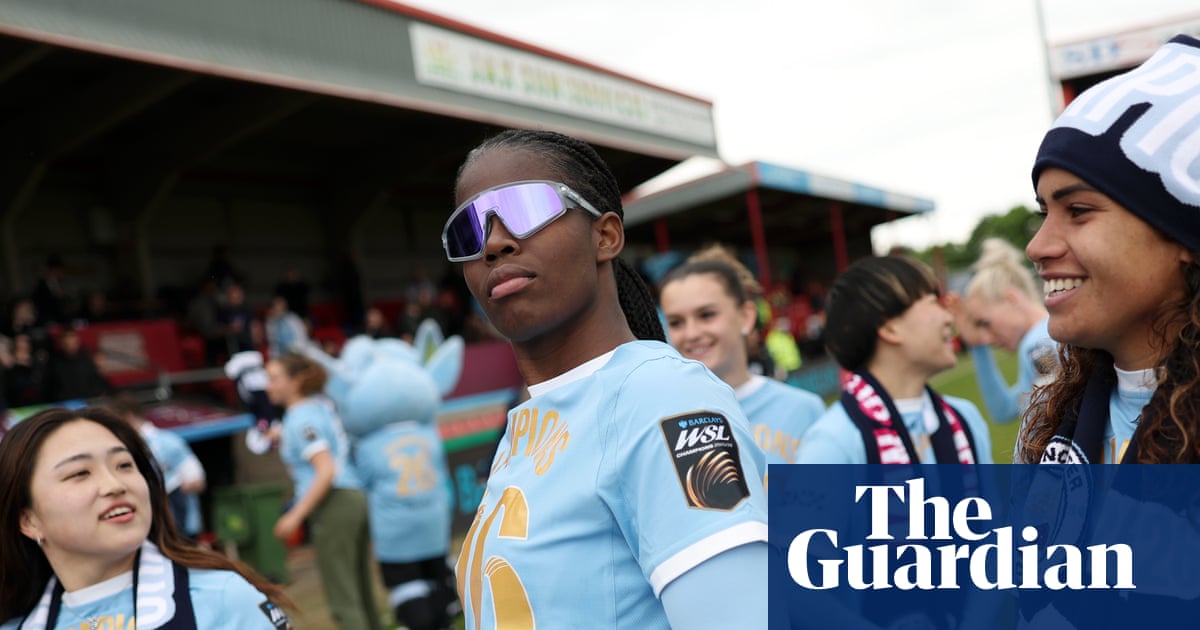
Arsenal's transfer strategy remains locked on silverware
an hour ago
Atletico Madrid are at war with Barcelona over Julian Alvarez
an hour ago
Arsenal vs PSG: Why tactical rigidity will determine the European champion
3 hours agoMore Analysis

Arsenal's Wembley failure proves they still cannot solve the City puzzle
2 months ago
Mikel Arteta is repeating the same Arsenal mistakes that cost Unai Emery
2 months ago
Arsenal's Carabao Cup hangover guarantees a Champions League exit
2 months ago
Arsenal and Manchester City delivered a tactical stalemate that nobody wanted
2 months, 1 week ago
Arsenal's goalkeeper gamble backfired in the Carabao Cup final
2 months, 1 week ago