
Arsenal’s Madrid heartbreak reveals a glaring weakness in their UCL run
The officiating blackout in Madrid
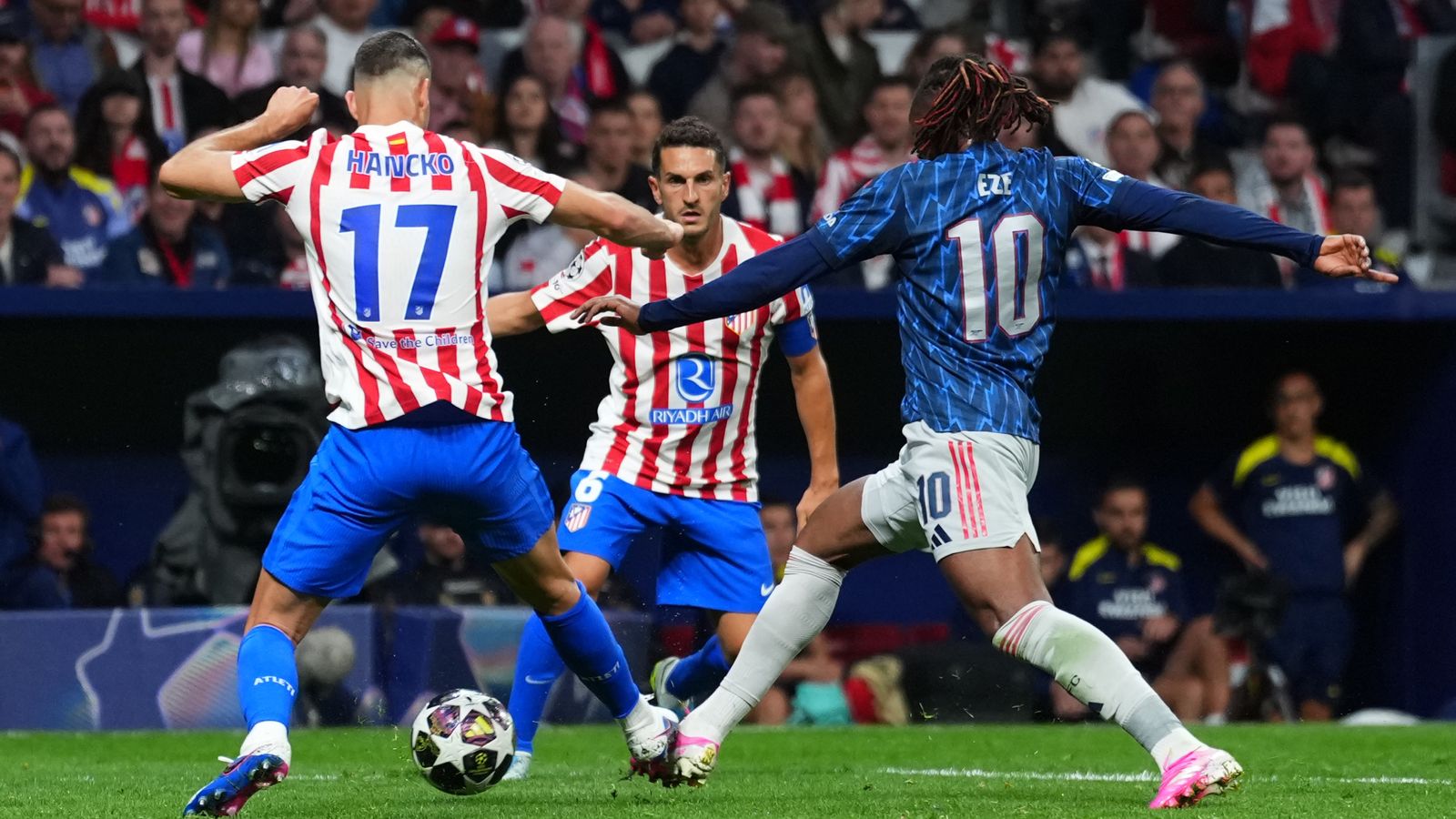
Arsenal arrived at the Metropolitano with clear tactical intentions: control the tempo through the left half-space and wait for Eberechi Eze to drag the Atletico Madrid block out of position. It worked for 74 minutes. Eze danced past Koke and Nahuel Molina, driving toward the byline before cutting inside. The contact was blatant. The subsequent silence from the referee was loud enough to be heard in London.
UEFA’s statement following the match failed to mask a reality: officials are still guessing when the technology fails to provide an obvious angle. The VAR check lasted barely forty seconds before the official signaled for play to continue. The broadcast replays showed Molina catching Eze’s standing leg, a clear penalty by any technical standard. Whether it was human error or a breakdown in communication with Stockley Park, UEFA’s attempt to justify the decision felt like a desperate exercise in corporate damage control.
Tactical rigidity at the worst possible time
Beyond the officiating controversy, Arsenal invited this misery. After going ahead early, they retreated into a low block that lacked the discipline required to withstand Diego Simeone’s pressure. Mikel Arteta pulled his fullbacks inward, effectively inviting Atletico to overload the wings. By the 62nd minute, the possession split had tilted 68-32 in favor of the hosts.
The lack of attacking urgency was damning. Gabriel Jesus was isolated, recording zero shots on target and failing to complete a meaningful dribble in the final third. When Arsenal needed a release valve, they passed laterally across the halfway line. The passing accuracy sat at 84%, but the verticality required to punish Atletico simply vanished. If the team plays with this level of timidity in the return leg, their Champions League ambition will conclude in the quarter-finals.
The squad depth myth
This match exposed the fatigue setting in across the starting XI. Without a secondary creative engine to help Eze, the entire attack remains predictable. When opponents close down the central passing lanes, Arsenal has no alternative route to goal.
The defensive pivot also looks shaky. The pairing of William Saliba and Gabriel Magalhães is usually ironclad, but they were pulled out of shape during the lead-up to the equalizing goal in the 81st minute. If the bench cannot provide an impact substitute who can hold the ball and draw fouls, the team will continue to struggle against organized European defenses. There is no depth to speak of in the midfield rotation, leaving the squad vulnerable to these high-stakes fixtures.
Fixing the output for the return leg
Moving forward, the selection process must be more aggressive. Holding onto a draw against Atletico at home is a losing strategy. The squad needs to press higher, forcing turnarounds in the 30-meter zone rather than the defensive third. Waiting for an opening to appear against a team as disciplined as Atletico is a gamble that rarely pays off deep into the tournament.
Arteta has five days to recalibrate the tactical spacing before the second leg. Whether it involves shifting the formation to a sharper high line or introducing a second striker to prevent the isolation of the front line, the strategy must evolve. The refereeing blunder was a setback, but the tactical passivity remains the primary cause for concern in London today.
Read Next
- Arsenal need cold logic to break Simeone's Madrid trap
- Arsenal must turn their VAR fury into tactical precision for the second leg
- Arsenal's trip to the Metropolitano was every bit the tactical migraine we expected
- Arsenal and Atletico Madrid leave us hanging in Champions League thriller
- ⭐ UCL 2026 — Champions League Quarter-Finals Hub
adidas Unisex-Adult FIFA World Cup 2026 Competition Soccer Ball
Get ahead of the hype with the official look of the 2026 tournament.
Frequently Asked Questions
Why was Arsenal denied a penalty against Atletico Madrid?
How did Arsenal's tactics change after taking an early lead?
What were Gabriel Jesus's stats in the match against Atletico?
When did Atletico Madrid score their equalizing goal?
What must Arsenal change for the return leg against Atletico?
More Coverage

Arsenal and PSG are locked in a tactical chess match for the trophy
an hour ago
Top 10: The Definitive Arsenal Moments of the 2025/26 Season
an hour ago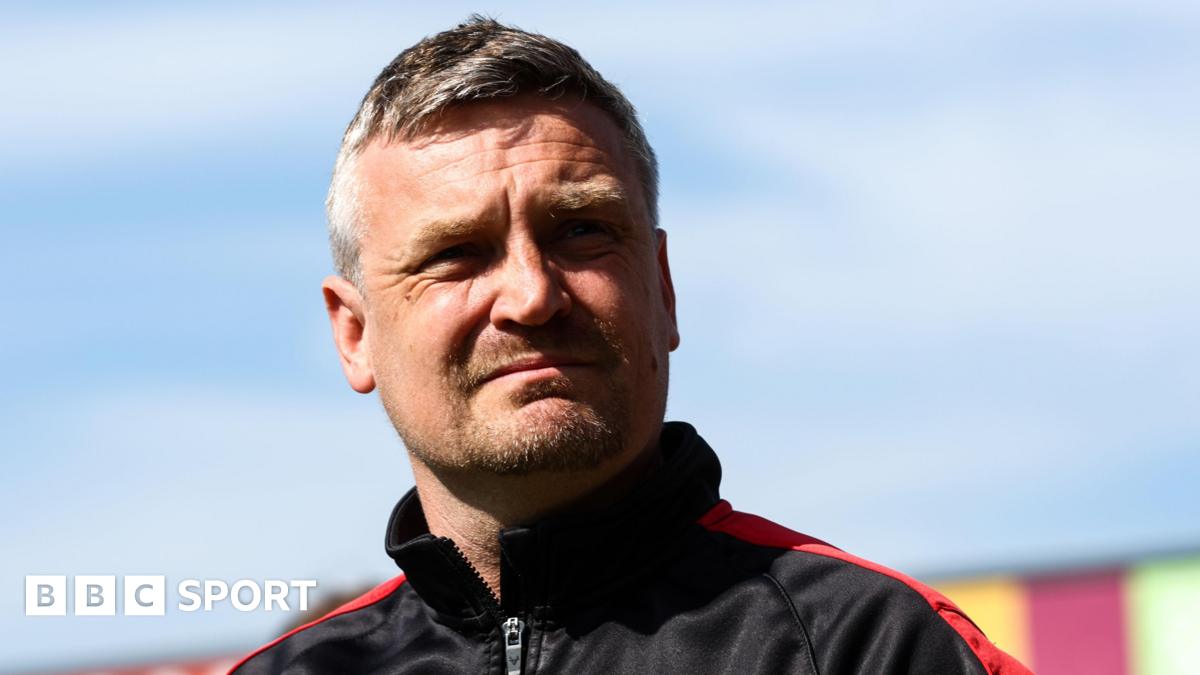
Michael Skubala takes the hot seat at Ashton Gate
an hour ago
Newcastle are burning the furniture to keep the house warm
an hour ago
World Sevens brings high-octane chaos before the World Cup fever hits
2 hours ago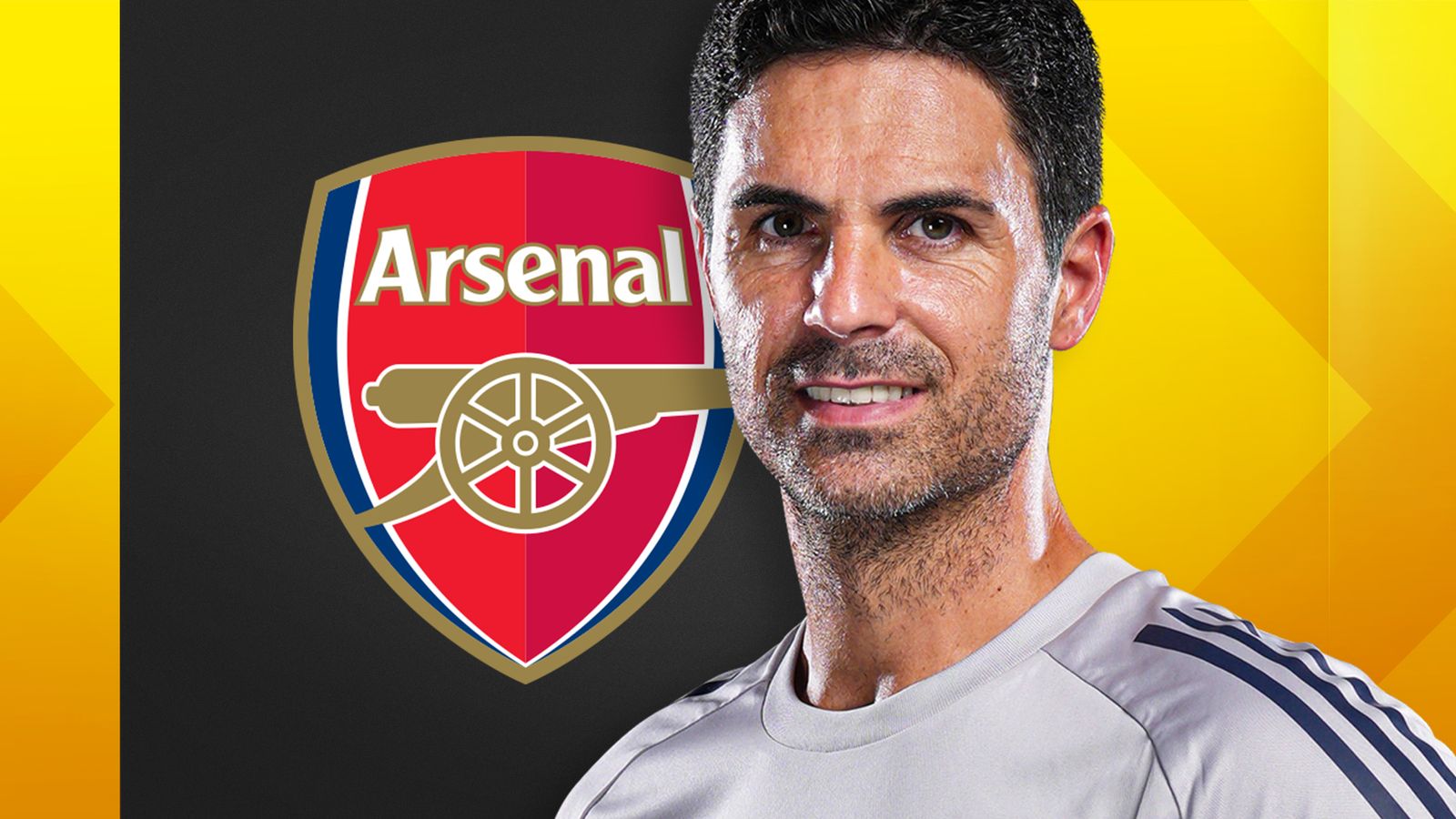
Arsenal's Champions League final gamble rests on Timber's fitness
2 hours agoMore Analysis

Arsenal's trip to Madrid requires more than just righteous indignation
4 weeks, 1 day ago
Arsenal have left a sour taste at the top of European football
3 weeks, 2 days ago
Arsenal face a reality check as the Champions League quarter-finals loom
1 month, 3 weeks ago
Arsenal face a reality check in the Champions League quarter-finals
1 month, 3 weeks ago
Arsenal got robbed in Madrid and Mikel Arteta isn't hiding it
4 weeks, 1 day ago