The friction at the Emirates
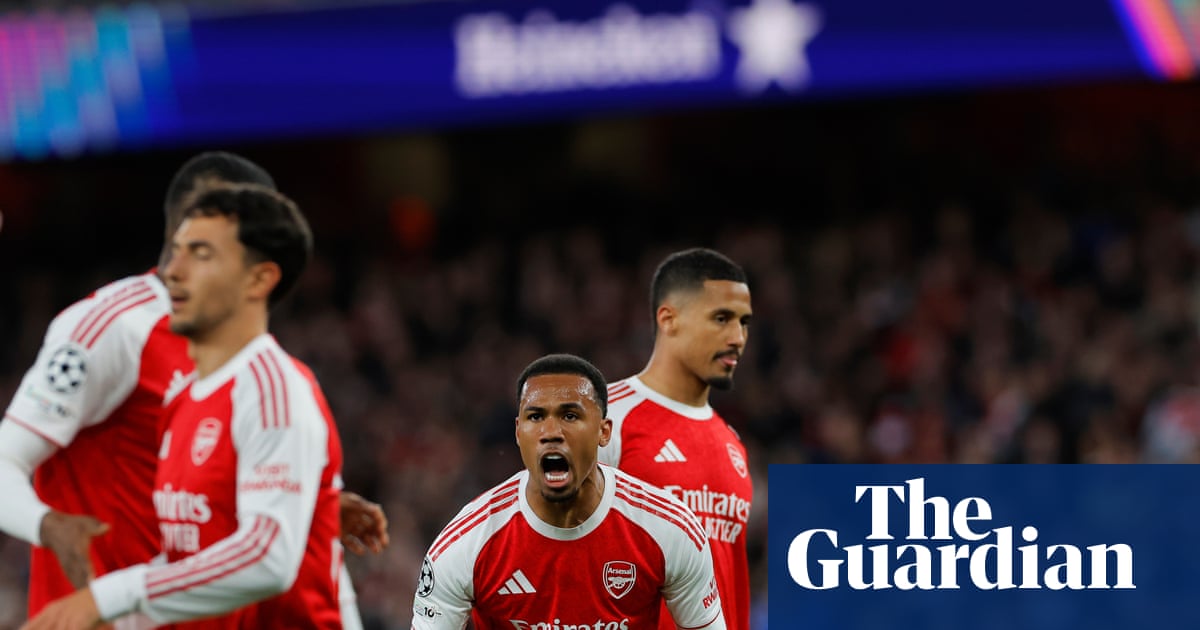
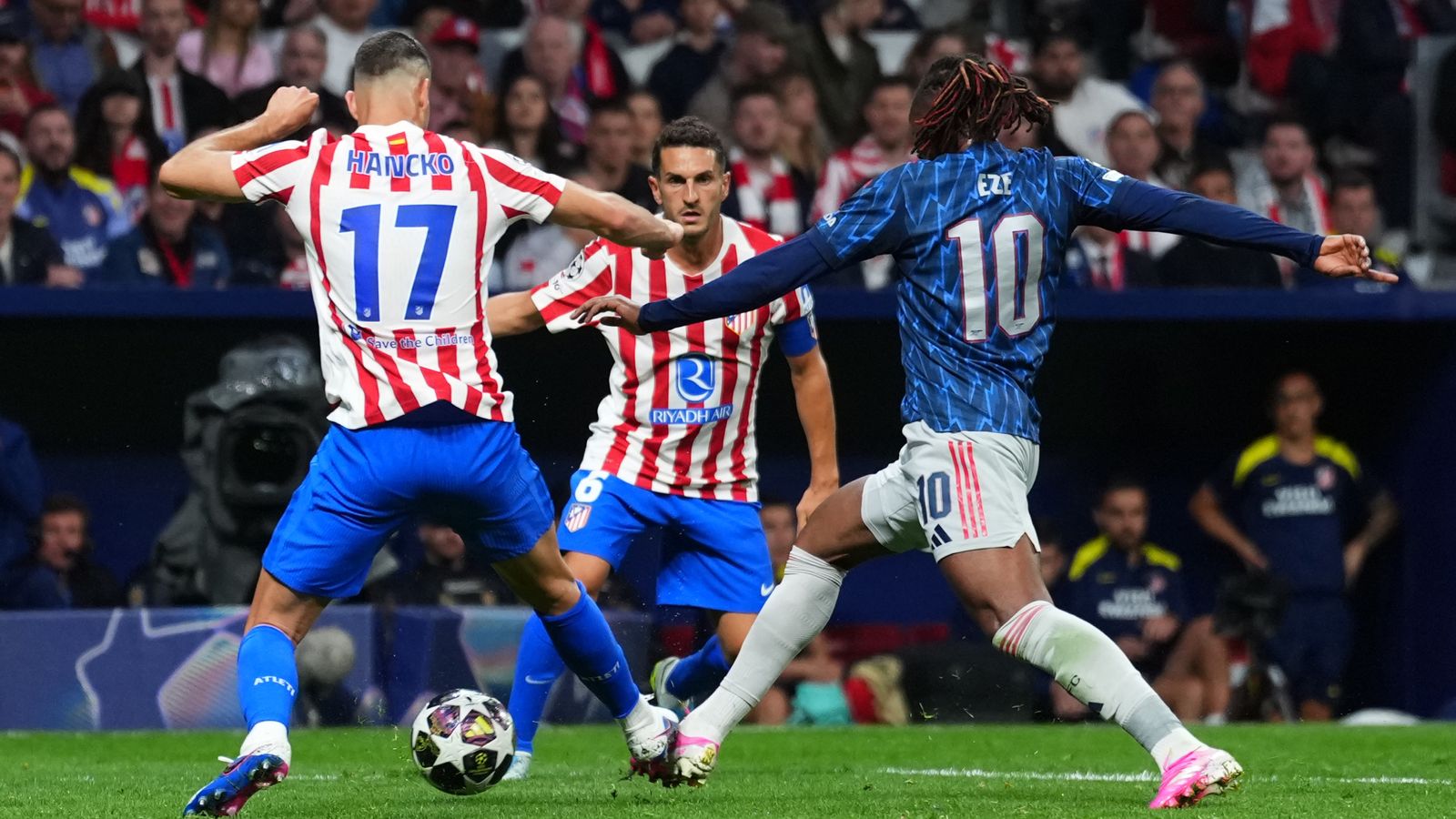
The wreckage from last week's Champions League tie at the Emirates is still being cleared. Atletico Madrid are not hiding their frustration, venting privately about what they perceive as underhanded tactics employed by Arsenal. When a side departs the competition, post-match complaints are standard, but the specific grievances voiced by the Spanish side regarding the refereeing team warrant a deeper look at the match footage.
We saw three separate penalties claimed or awarded during the chaos. For a team of Atletico's pedigree, seeing their European campaign end in such a contentious environment creates an ugly narrative that follows the winner into the next round. Whether the officiating hit the mark is secondary to the reality that Arsenal managed the game state with a level of disruptiveness that clearly rattled Diego Simeone’s camp.
Tactical disruption vs. pure football
There was a distinct lack of rhythm in the second half. The interference from players off the bench and the constant stoppages meant the ball was in play for mere seconds at a time. Analysis of the match data suggests that Arsenal prioritized a high-friction game when the pressure mounted. It wasn't pretty, but it was effective for a side looking to protect a slender lead.
While fans might appreciate the dark arts, there is a lingering fear that this style of game management leaves players susceptible to losing focus on ball progression. When you rely on broken play, you surrender the chance to dictate tempo through possession. This is a recurring issue, as reports in Spain highlight a growing resentment toward the way clubs are utilizing the bench to stall momentum. It is a cynical maneuver, and one that the governing bodies might eventually legislate against.
Milan's parallel struggles
Perspective is needed when examining team cohesion. Look at Milan this season; they are currently suffering from a mental collapse that has rendered their attacking output toothless. According to recent analysis, their failure to integrate high-profile arrivals like Jashari contributed to a disjointed midfield unit.
The club spent a reported 34 million euros on the move, yet the underlying numbers show they have lacked the positional discipline needed to compete in high-stakes fixtures. Their experience serves as a warning for teams like Arsenal: tactical fluidity is useless if the internal morale is fraying at the edges. When CorSport noted the psychological toll of recent transfer market failures, they were describing a team that lost its identity entirely.
The outlook for the final stages
Arsenal are through, but they are carrying a reputation for abrasiveness that will make them the league's primary villain. They are not playing for the appreciation of the purists; they are playing for the result on the board. The upcoming fixtures will demand more than just tactical stifling.
My prediction for the remainder of their European run? They will continue to struggle against sides that refuse to be drawn into off-the-ball confrontations. If they don't find a way to maintain the 85 percent passing accuracy they flashed earlier in the group stages, these close-run decisions will eventually swing against them. Expect them to win the next leg, but do not be surprised if the intensity of the backlash from opponents continues to grow.
Read Next
- Arsenal finally shed their European baggage ahead of the UCL final
- How Arsenal suffocated Atletico to end a 20-year Champions League wait
- Arsenal vs Atletico Madrid: The tactical wall meets the unstoppable force
- Arsenal face the ultimate dark arts test at the Emirates
- ⭐ UCL 2026 — Champions League Quarter-Finals Hub