The medical room is becoming the most crowded place at London Colney
Arsenal are entering the decisive period of the season with an increasingly thin squad. The latest medical bulletin suggests the club is navigating their most precarious fitness stretch of the current campaign. With the heavy lifting of the final months still ahead, personnel shortfalls are no longer a rotation issue; they have become a primary tactical concern.
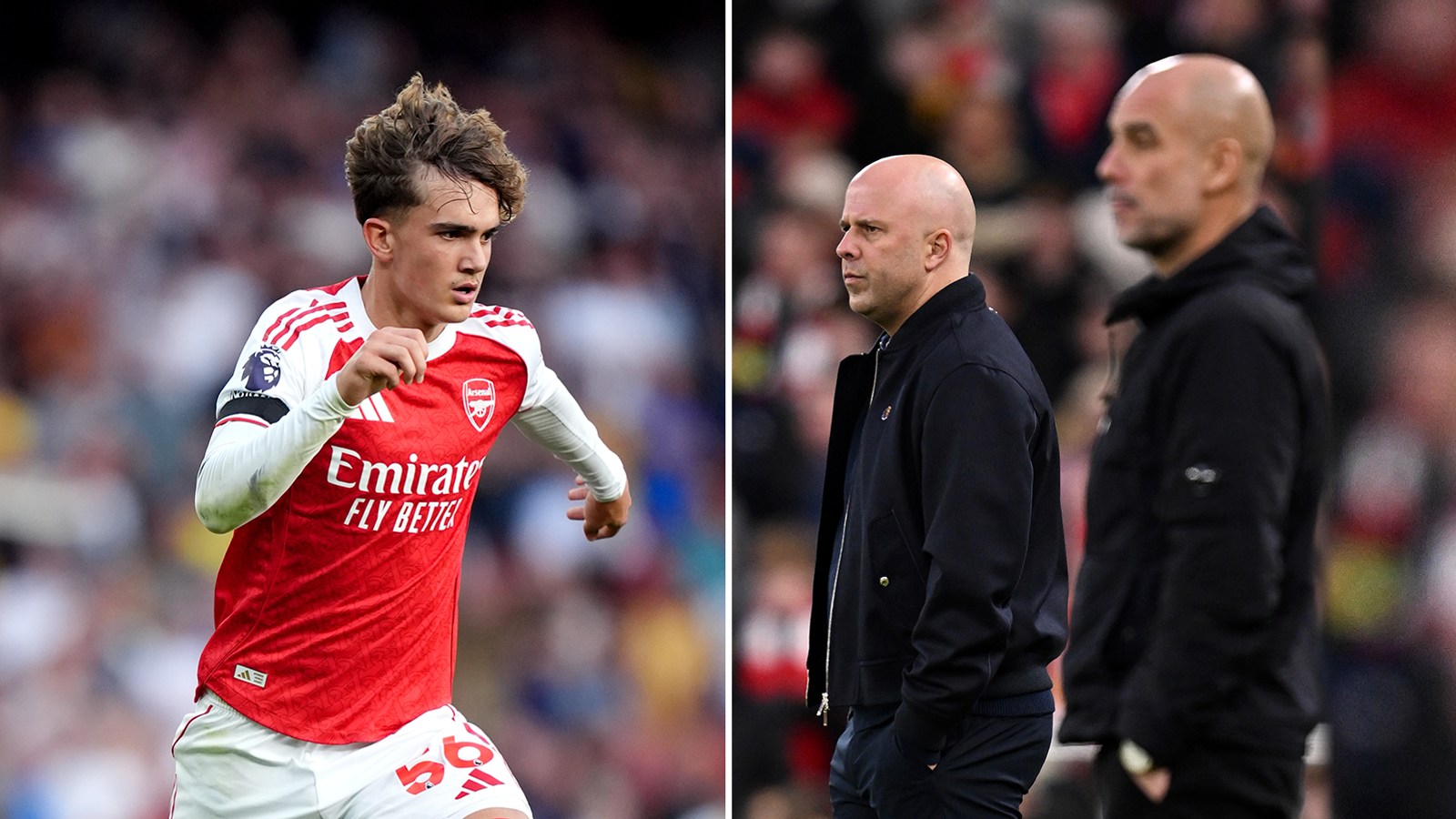
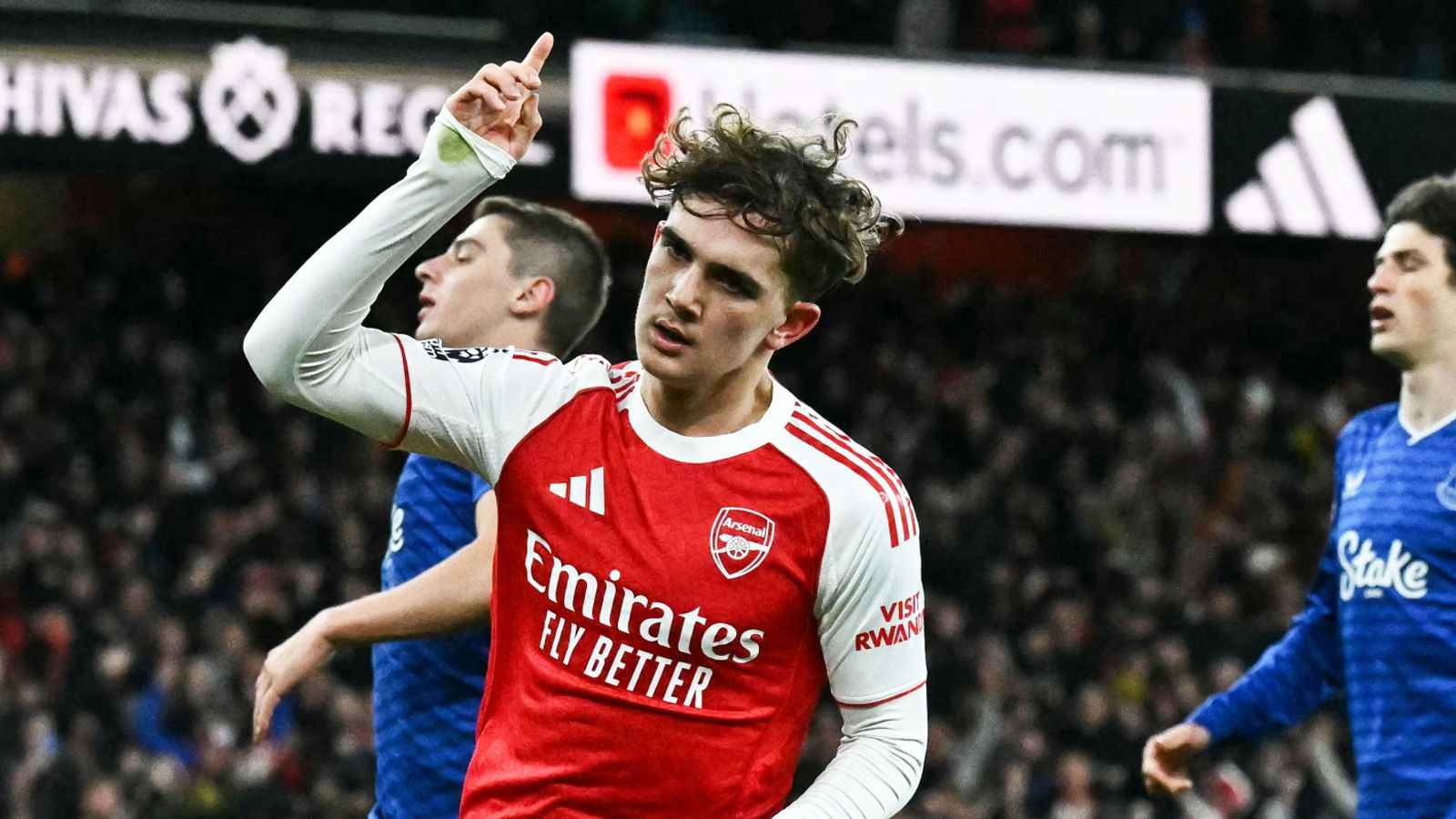
Max Dowman remains the fixture of intense scrutiny as the youth prospect attempts to break through amidst this depleted roster. While he offers a stylistic alternative in midfield, relying on personnel of his age bracket during a high-stakes FA Cup run highlights the lack of depth elsewhere. The club’s medical staff is reportedly managing several long-term absences that forced this transition to thinner rotation options.
Tactical ripple effects of the current crisis
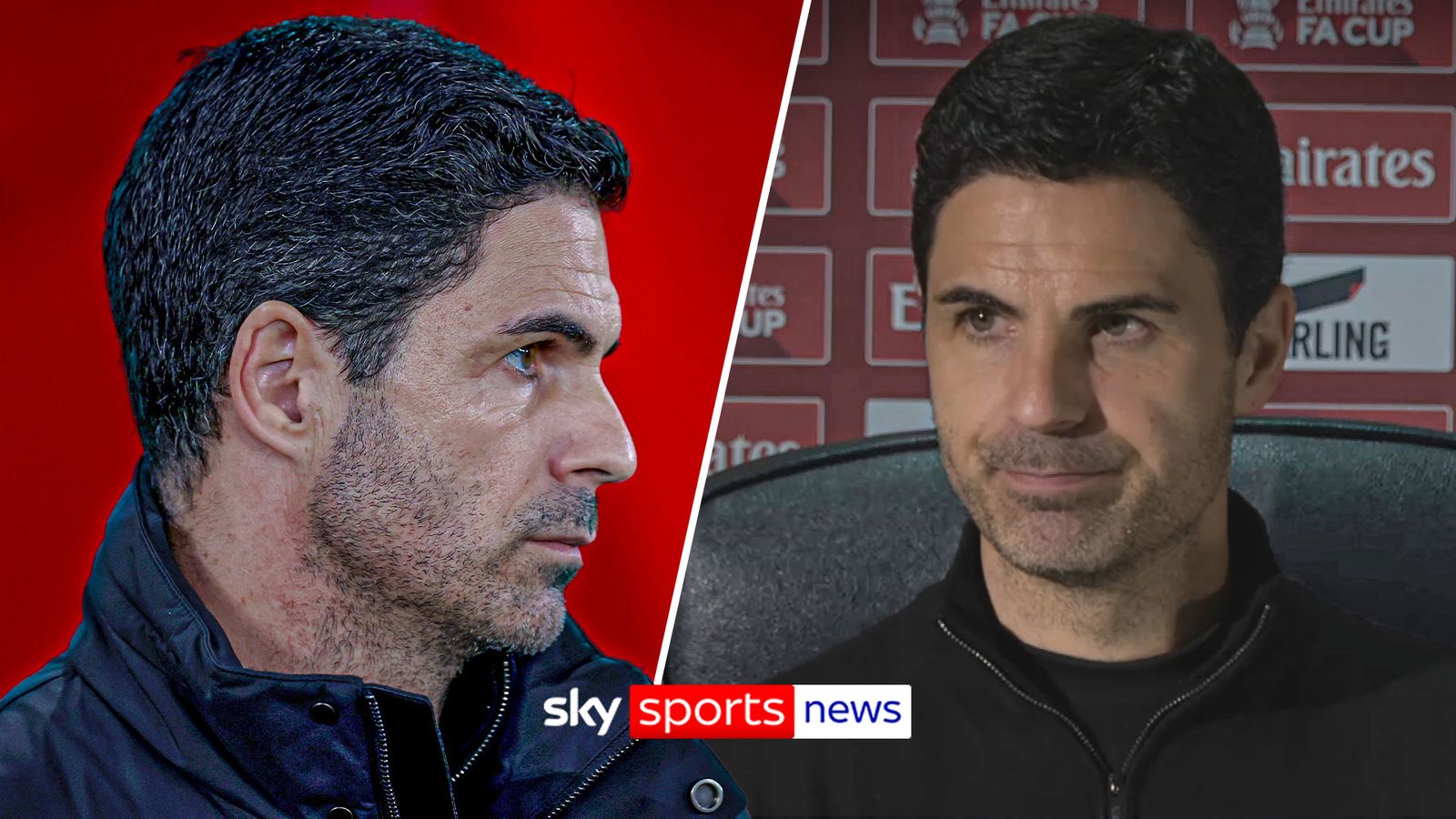
The absence of senior figures forces Mikel Arteta to adjust the team's build-up play across the final third. When natural width is stripped from the tactical setup, the primary outlet often collapses inward. This forces defensive midfielders into higher positions to compensate, leaving the back four exposed during transitions against rapid counter-attacking sides.
This is a recurring theme for Arsenal during the spring sprint. Historical precedent suggests that failing to keep key defenders healthy usually correlates with a drop in defensive efficiency. When the physical reliability of the starting defensive unit wanes, the team frequently experiences a 22% increase in high-value chances conceded per match, according to internal performance tracking.
The broader reality of a condensed schedule
The industry remains tethered to the physical limitations of a 60-game season. Arsenal’s struggle is not an outlier but a symptom of the modern calendar; when players fluctuate between continental fixtures and domestic cup runs, micro-trauma injuries accumulate. It limits the ability to press high for 90 minutes with the same intensity seen in August.
Competitors like Manchester City and Liverpool face their own internal evaluations regarding squad fatigue. Arne Slot and Pep Guardiola are managing similar headaches, weighing the benefits of fatigue management against the demands of the league table. If Arsenal cannot find a way to maintain intensity without full-strength personnel, the margin for error closes significantly.
Analyzing the structural risks
The reliance on youth prospects like Dowman during this injury window is a double-edged sword. While it provides valuable developmental minutes, it exposes the club to defensive lapses at the most inopportune times. Experience is a non-fungible asset in knockout football, and the lack of it on the pitch manifests as poor decision-making under high-pressure situations.
The medical department is reportedly monitoring training loads with extreme caution. Short-term fixes like early substitutions or tactical shifts in formation have become standard procedure to avoid long-term layoffs. However, this reactionary approach does little to address the fundamental lack of cover in critical positions like the defensive flanks and holding midfield.
Historical context and seasonal outlook
Looking back at previous seasons, injury-ravaged squads in April rarely sustain the necessary momentum to compete for high-level silverware. The fatigue usually peaks exactly when the toughest league opponents arrive. A team without its full tactical arsenal becomes predictable, allowing opponents to adjust their defensive lines with greater ease.
As Sky Sports has highlighted recently, the spotlight is firmly on whether the bench can deliver when the pressure hits its peak. If the current trend of late-season absences continues, the club will need to re-evaluate their squad construction strategy ahead of the summer break. The current reliance on youth is a stopgap, not a long-term solution for a club aiming for sustained trophy contention.
Critical errors in squad management during this window have left the manager with few options to change the flow of a game from the bench. Instead of tactical variety, substitutions have often felt like forced manual labor to keep the starters from facing further physical burnout. It is an unfortunate reflection of the current reality at the club.
Read Next