The weight of a failed campaign
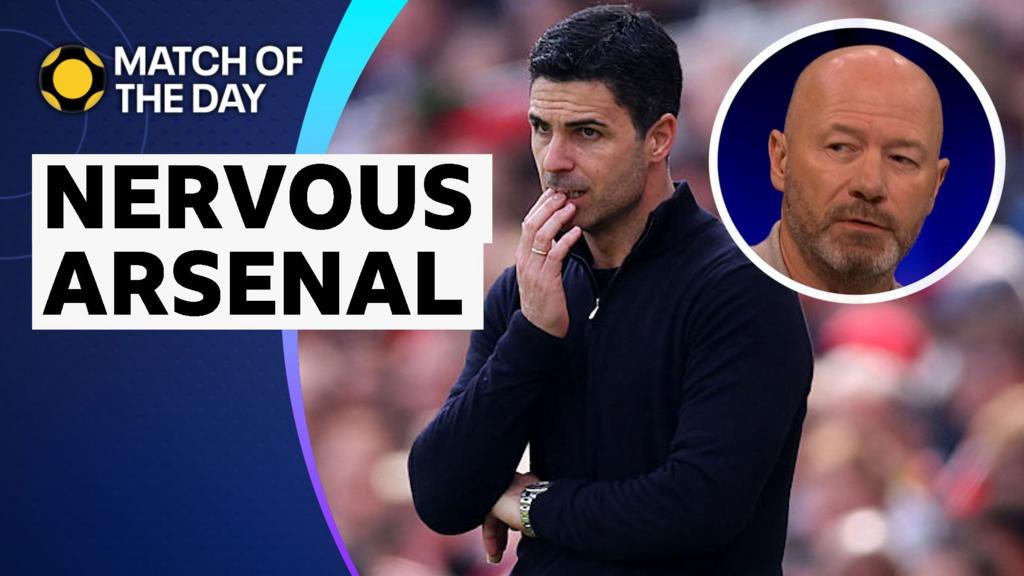
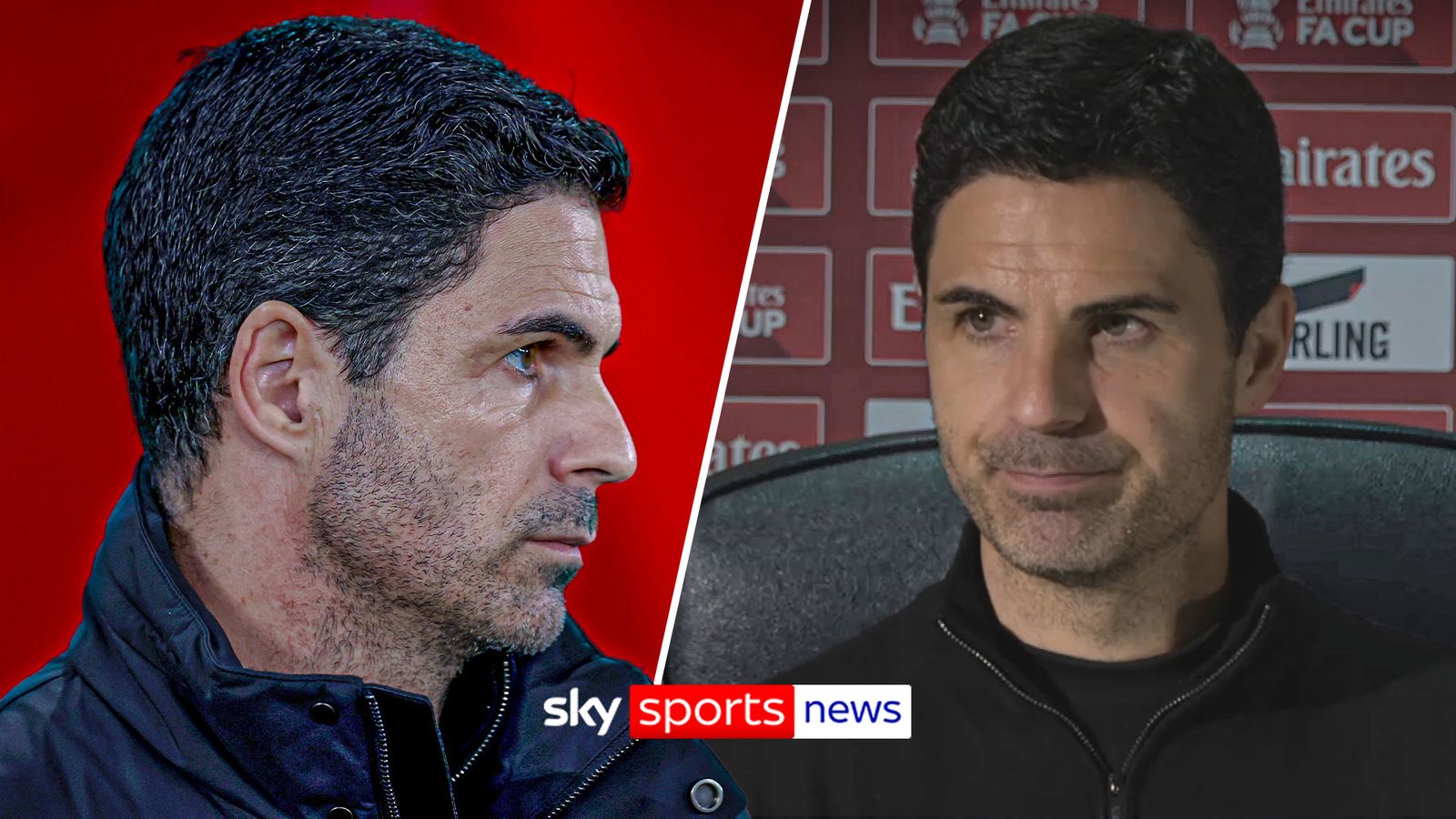
Mikel Arteta’s refusal to deflect blame following Arsenal’s FA Cup exit signals a manager standing alone under mounting pressure. The squad looked sluggish in the final third, struggling to break down a low block that should have been managed with ease. When asked about his tactical approach post-match, Arteta conceded that the internal responsibility lands squarely on his shoulders.
The lack of depth in key positions is no longer an excuse. Arsenal fans have watched similar scenarios unfold over the last three seasons where burnout hits right as the calendar flips to April. This early exit leaves the remaining squad with nothing but the league table to focus on, though the mental toll of a trophy-less season is often underestimated by front-office projections.
The medical room reality
As Sky Sports reports, the physical output required by Arteta's preferred press is beginning to show cracks in the roster. Several first-team starters logged over 3,000 minutes before April even began, creating a precarious situation for the medical staff. The reliance on the same core group has led to a depletion of late-game readiness, which was evident in the final 15 minutes of the FA Cup defeat.
Recovery protocols are currently being monitored for three unnamed key starters who recorded heavy minutes against the block. If these players are not at an 85% threshold by the next training session, the rotation policy will be forced into an uncomfortable shift. The club’s reliance on data-driven physical profiling has historically helped mitigate risks, but current metrics suggest individual players are operating near their red-line endurance limit.
Strategic implications and future outlook
The coaching staff now faces a binary choice: push for league consistency or rotate and risk losing the momentum built since February. Historical data suggests that clubs in this position during the final six weeks of the season tend to struggle with defensive intensity. Without an FA Cup run to balance the emotional feedback, the team is forced to manufacture motivation solely through league position.
Competitors in the top four are watching closely as Arsenal deals with this transition. The drop-off in output from the bench is a glaring flaw in the club's current build. If the medical department clears the squad for a standard training load, the focus remains on recovery, but the lack of intensity during the last match raises questions about the psychological fatigue permeating the dressing room.
Management has to consider whether the pursuit of a top-two finish justifies the potential risk to long-term physical maintenance. Player health is the ultimate currency, and burning through the squad to chase a distant league leader might be a tactical error with high, long-term costs. The failure to secure personnel upgrades in the winter window is biting back now as the physical load piles up.
We have seen this cycle before, even if the names change. The drop-off in pace during the 80th-minute mark indicates that the conditioning strategy needs a rapid correction. Arteta has been vocal about taking full accountability, but accountability does not replace the kinetic output of an fatigued starting XI. The next 10 days of training will determine whether the squad can sustain its league position or if the FA Cup loss was a harbinger of a broader physical collapse.
Read Next
- Arsenal's treble dream just went up in smoke at St Mary's
- Arsenal are sacrificing their squad depth for a risky title gamble
- Arsenal's injury crisis deepens ahead of FA Cup clash
- Arsenal face a chaotic summer as squad confidence dips
- 🏆 FA Cup Final 2026 — May 16, Wembley
- ⭐ UCL 2026 — Champions League Quarter-Finals Hub