
Arsenal's title credentials are fracturing under the pressure
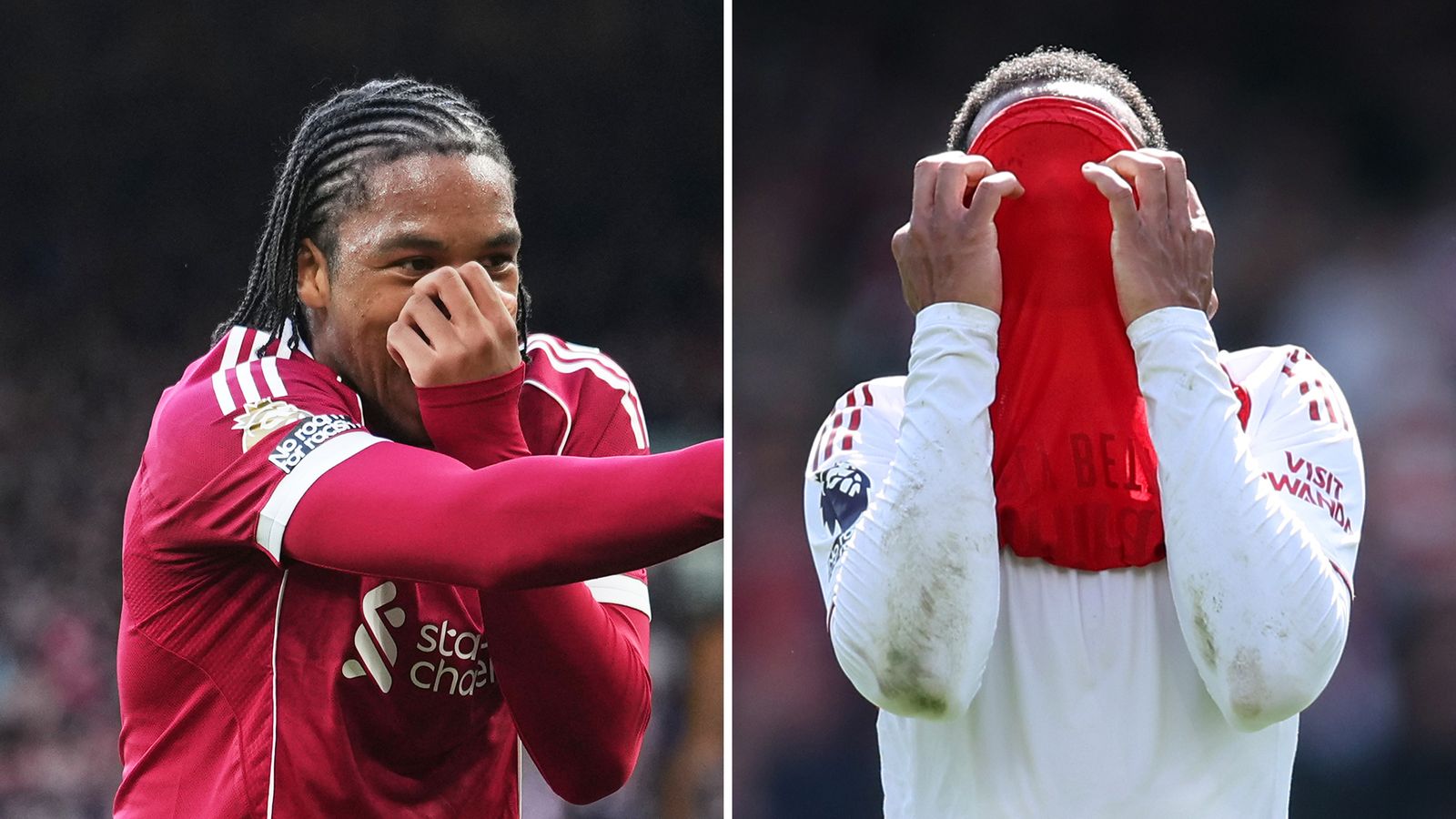
The cracks at the Emirates are starting to show
Arsenal entered this campaign with a mandate for tactical evolution, seeking to replicate the clinical nature of their challengers. However, looking at the recent trajectory, the patterns on the pitch suggest a regression toward caution rather than a march toward silverware. The team has become overly reliant on individual brilliance to mask a lack of fluidity in the transition phase.
Last week in the Premier League, the deficiencies were glaring. While individual performances like those of Rio Ngumoh demonstrate the high-ceiling potential within the younger ranks, the senior squad appears stifled. As reported by Sky Sports, the recent fixture list has been unforgiving to Mikel Arteta's tactical rigidity. The mid-block press is no longer inducing the panic in opponents it did in November.
Defensive transition remains the primary liability. Arsenal consistently leaves the central channel exposed during full-back overlaps, forcing the holding midfielders into high-risk recovery tackles. When you look at the shot maps from the last three matches, the high volume of central entries by opposition teams indicates that the spacing between the defensive line and the midfield pivot is consistently being breached by simple vertical balls.
The metrics of stagnant play
The statistical output for this side has hit a plateau that most Champions League contenders would find alarming. Possession dominance is masking a lack of progressive final-third entries. We are seeing a high pass completion rate in the defensive third, but that drops significantly once the team crosses the halfway line, leading to sterile possession that yields a sub-par xG accumulation.
It is not just a personnel issue. The reliance on wing-backs to generate width removes the primary outlet for quick counter-attacks, making the Arsenal attack predictable. Opposing managers have identified the trigger: pack the central area, force the play wide, and wait for the inevitable turnover. The data shows they aren't even having to shift their horizontal defensive shape to do so.
The failure to adapt against low-block teams has become a defining characteristic. This isn't just a tough run of fixtures; it is a systemic inability to break down disciplined banks of four. When the breakthrough doesn't arrive by the 60th minute, the panic sets in. The passing tempo drops, the distance between players increases, and the team becomes vulnerable to the exact counter-attacks they are designed to suppress.
Looking toward a bleak finish
The upcoming schedule provides little relief. With the Championship chaos unfolding simultaneously in the lower tiers, football fans are seeing a broader trend of tactical stalemates across the English game. Arsenal is currently doing little to distinguish itself from the teams currently bogged down in mid-table frustration, despite having significantly better resources.
The manager must make a choice before the month concludes. Either persist with the current structure and hope for a reversion to the mean or accept that the current personnel requires a shift in formation. Moving to a three-at-the-back system with a more aggressive wing-back positioning might provide the overlap support needed to force pressure, but that leaves the side with a 0.85 xGA risk per transition event.
Ultimately, championships are won on the margins. Right now, Arsenal is on the wrong side of them. The inability to pivot during a match and the hesitation to make high-impact substitutions before the 75th minute has effectively cost them four points in the last fortnight alone. Unless there is a sharp correction in the tactical rhythm, this season risks being remembered as a missed opportunity rather than a building block.
Read Next
- Arsenal are clinging to hope as the Premier League enters the home stretch
- Arsenal s title charge is officially on life support
- Arsenal have blown their composure and the title race with them
- Arsenal's title charge hits a massive roadblock at the Emirates
- ⭐ UCL 2026 — Champions League Quarter-Finals Hub
FOCO Premier League Official Team Scarf
Wear your club colors with pride from the pub to the stadium.
Frequently Asked Questions
What is the primary defensive weakness for Arsenal currently?
Why has Arsenal's possession become ineffective?
How are opponents successfully neutralizing the Arsenal attack?
What is Mikel Arteta’s biggest tactical challenge?
What do recent shot maps reveal about Arsenal's performance?
More Coverage

Anthony Gordon to Barcelona marks a high-stakes gamble
25 minutes ago
Arsenal vs PSG: Why tactical rigidity will determine the European champion
25 minutes ago
Arsenal's 104 million gamble on Julian Alvarez is pure chaos
25 minutes ago
Arsenal and PSG are locked in a tactical chess match for the trophy
an hour ago
Top 10: The Definitive Arsenal Moments of the 2025/26 Season
an hour agoLincoln City just entered the weirdest experiment in League One history
2 hours agoMore Analysis
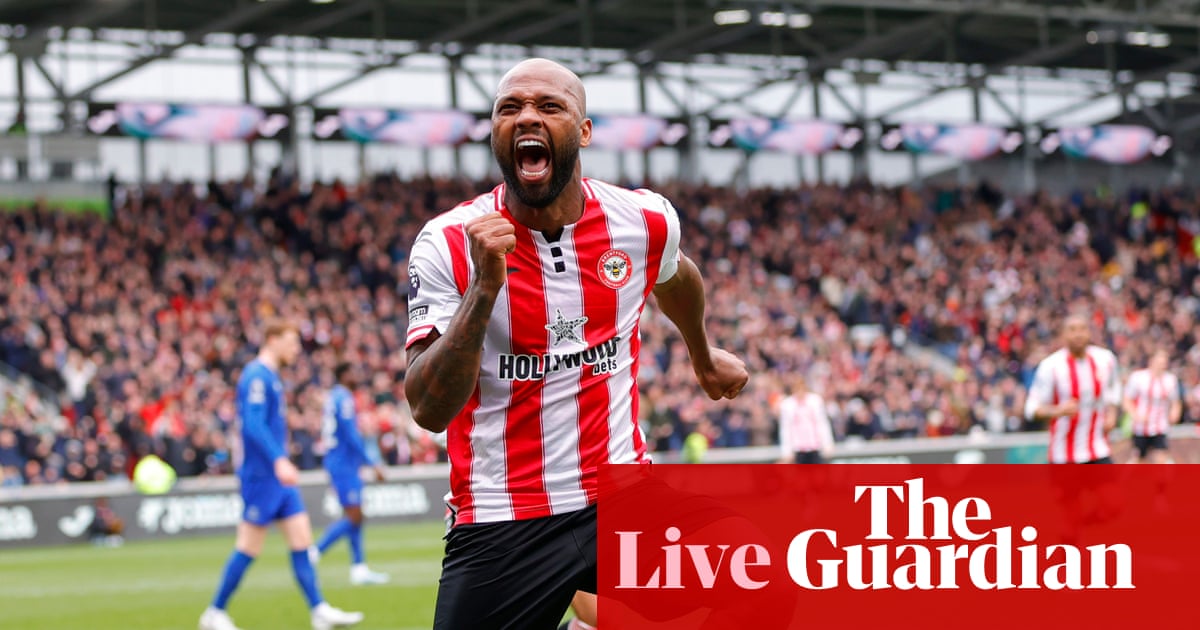
Arsenal's title charge hits a massive roadblock at the Emirates
1 month, 2 weeks ago
Arsenal are clinging to hope as the Premier League enters the home stretch
1 month, 2 weeks ago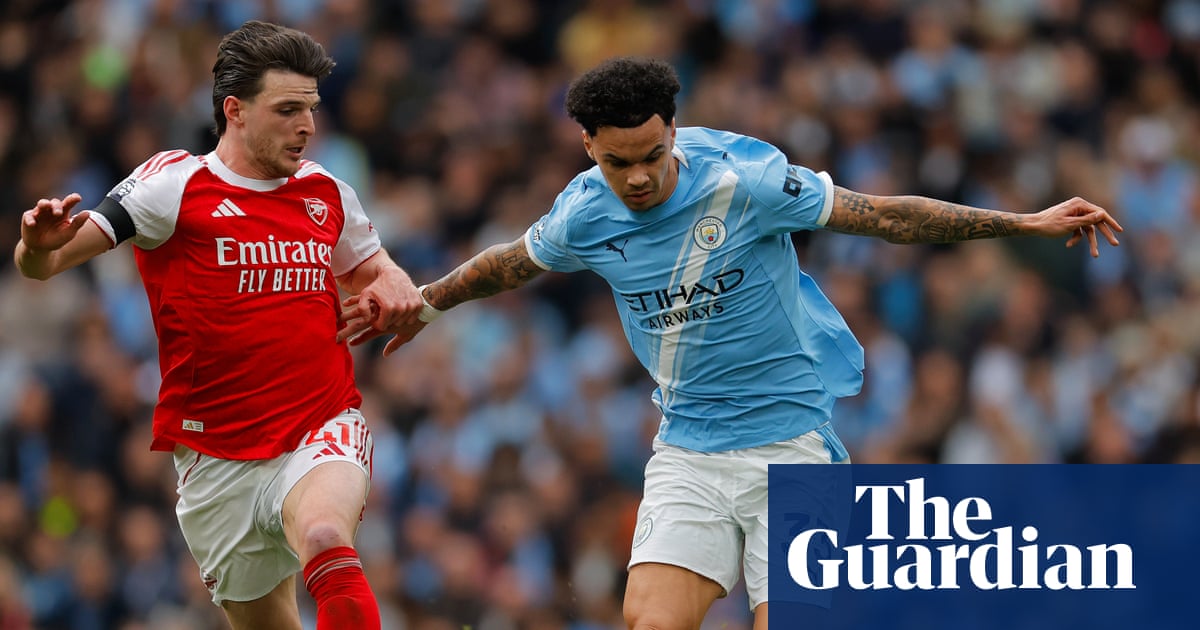
Arsenal have hit a wall as Manchester City take control
1 month, 1 week ago
Arsenal's title collapse reveals a fatal tactical fragility
1 month, 1 week ago
Arsenal are folding under the pressure of the title race
1 month, 2 weeks ago