The split screen of the title race
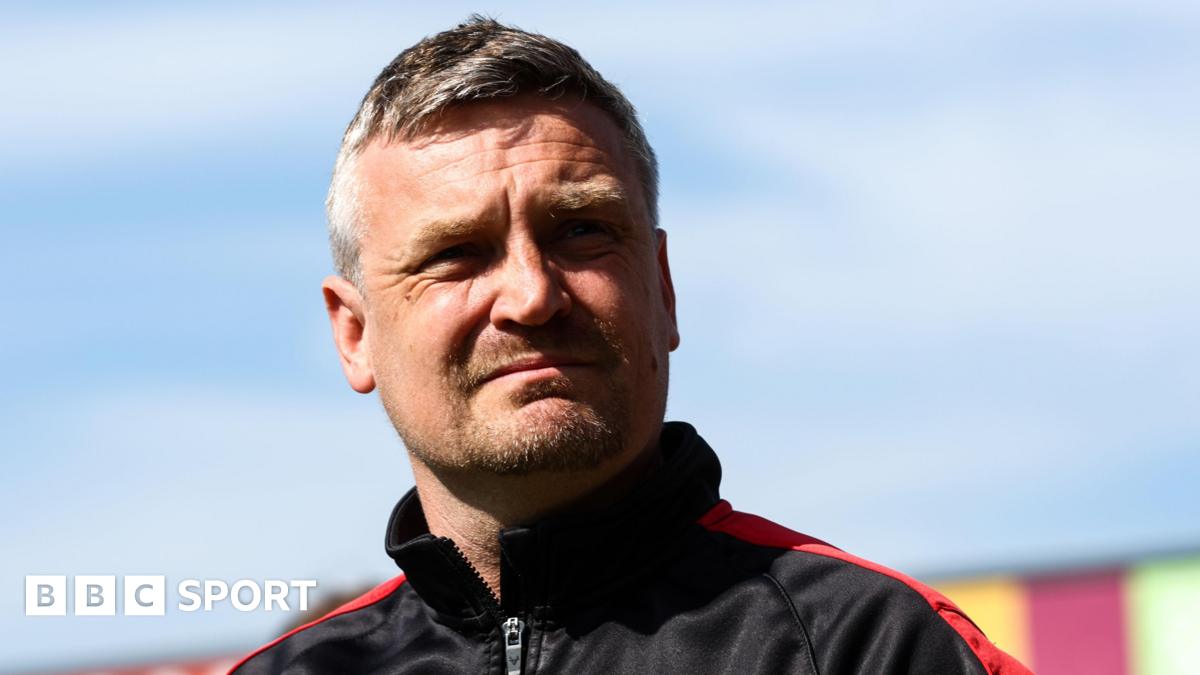
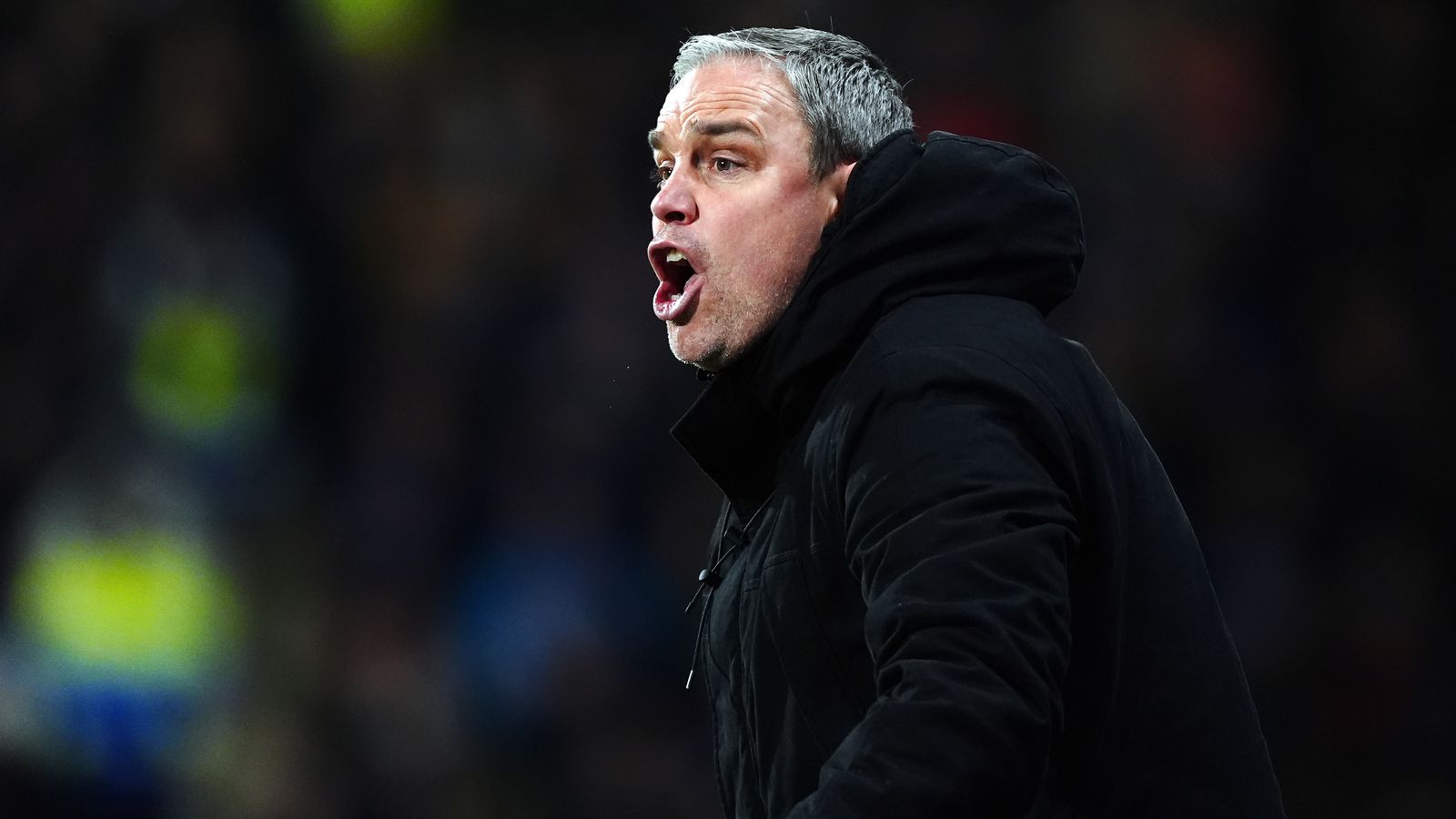
The Premier League weekend offered a fascinating contrast of emotional extremes. As The Guardian highlighted in their weekend review, at one end, you had Arne Slot visibly seething on the touchline. He lamented the officials' decision to allow Manchester United's second goal to stand. His frustration over Benjamin Sesko's controversial strike spoke to a manager feeling the heat of a tightening campaign.
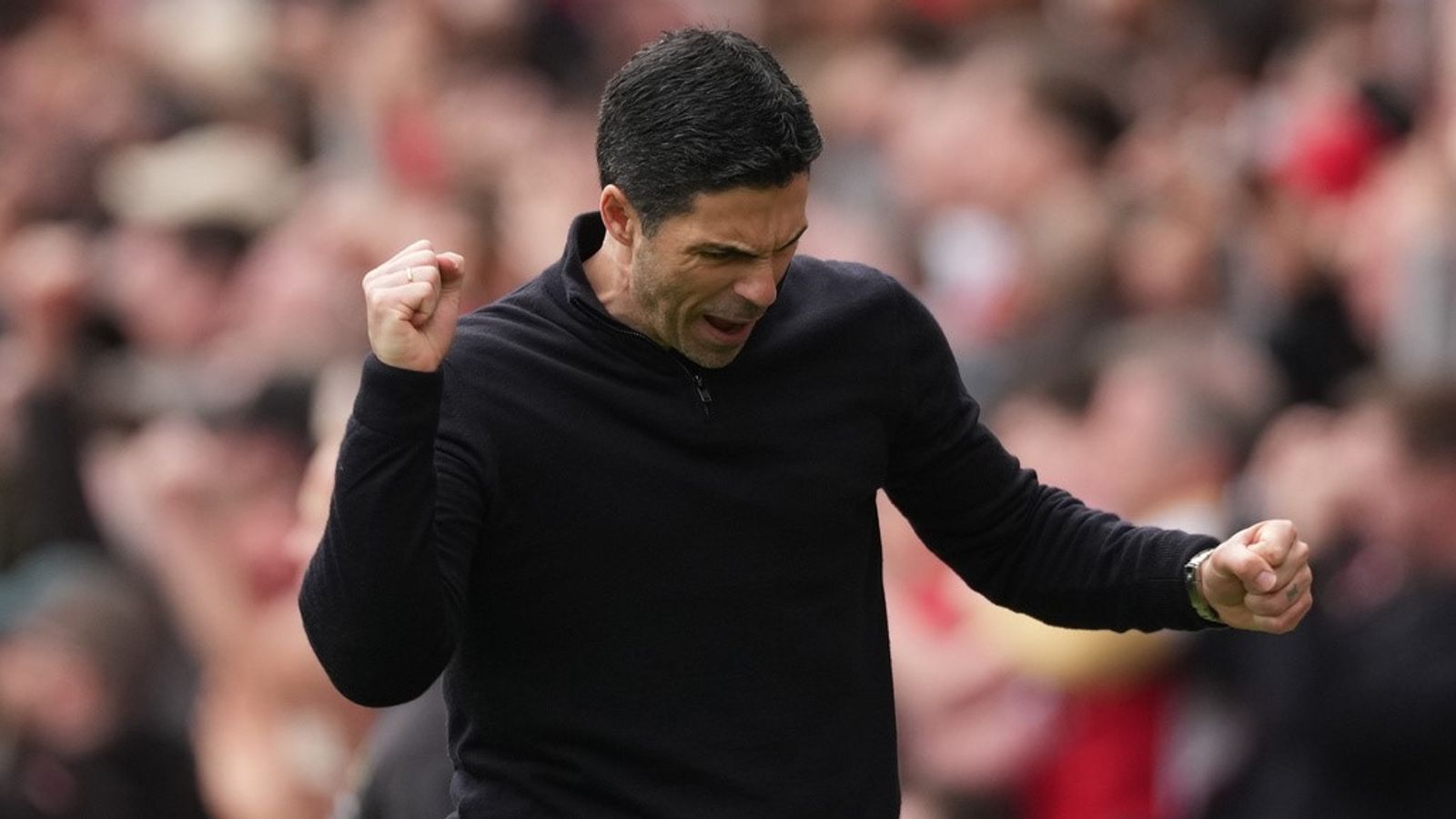
The footage of Slot shaking his head in the technical area will be analyzed endlessly. At the other end, Mikel Arteta cut a figure of total vindication. His significant tactical risk paid off perfectly, allowing Arsenal to preserve vital energy while securing three points.
Add in the genuinely moving return of Josh Dasilva for Brentford, and the weekend was a perfect distillation of the sport's capacity for joy and despair.
The anatomy of a tactical rehearsal
Arteta's decision to heavily rotate his midfield and shift his pressing structure on Saturday was viewed as a massive gamble. The manager essentially deployed a secondary pressing unit, dropping the line of engagement ten yards deeper than usual. By using a 4-4-2 mid-block instead of the customary aggressive man-to-man high press, Arsenal absorbed pressure rather than hunting the ball relentlessly.
This was more than resting legs during the grueling May run-in. It was a deliberate rehearsal. Arteta was stress-testing a shape designed specifically for European competition.
The execution was flawless. The transitions were sharp, the distances between the midfield and defensive lines were immaculate, and the wingers tucked in to suffocate the half-spaces. It was a mature performance from a side that has often relied on pure intensity to overwhelm opponents.
The most fascinating element was how Arsenal managed possession when they did win it back. Instead of the frantic, vertical rushing we saw earlier in the season, there was a calculated patience. They utilized their center-backs to bait the press, inviting the opposition forward before breaking the lines with sudden, incisive passing.
Applying the lessons in Europe
The upcoming Champions League semi-final second leg on Tuesday demands exactly this kind of pragmatism. The opposition will arrive fully expecting Arsenal to dominate possession and push high up the pitch. By demonstrating they can sit in a compact block and strike on the counter, Arsenal have introduced a vital seed of doubt into the minds of the opposition coaching staff.
This is where the tactical nuance becomes paramount. If Arsenal start with their traditional 3-2-5 shape in possession, pinning the opposition fullbacks deep, they risk leaving massive expanses of grass in the wide channels. The gamble Arteta took on Saturday suggests a more reserved approach is coming.
Expect to see the fullbacks playing a hybrid role. They will step into midfield during sustained possession but recover rapidly to form a traditional back four when the ball is turned over.
The center of the pitch will be a tactical war zone. The key metric to watch isn't overall possession; it's passes completed in the final third under extreme pressure. Arsenal's ability to bypass the first line of the opposition press will dictate the tempo of the entire match.
We saw glimpses of this evolution at the weekend. The central midfielders were instructed to delay their passes, drawing the press before bypassing it with sharp, vertical balls. If the pass is intercepted, the defensive line is totally exposed.
But when it works, it creates instant numerical superiority.
Learning from the Sesko warning
While Arsenal prepare for Europe, the rest of the league is analyzing the fallout from the Liverpool-Manchester United clash. Benjamin Sesko's controversial goal might have dominated the headlines due to the handball debate, but the build-up to the strike warrants far closer inspection from a tactical perspective.
Sesko's movement off the shoulder of the last defender is a masterclass in blind-side runs. He consistently positions himself in the channel between the center-back and the fullback, waiting for the exact moment the ball carrier lifts his head.
Slot's frustration was justified regarding the finish, but Liverpool's defensive structure was undeniably compromised before the shot was even taken. They were caught flat-footed, drawn to the ball, and oblivious to the danger developing behind them.
This serves as a stark, terrifying lesson for Arsenal's backline. In European ties, a single lapse in spatial awareness is fatal. The defense must communicate flawlessly, passing runners off without getting dragged out of shape.
The space between the center-backs must be heavily policed. The holding midfielder must also drop into the defensive line when the fullbacks push forward.
The human element in a tactical machine
Amidst the obsessive focus on tactical systems and pressing triggers, Josh Dasilva's emotional return for Brentford provided a grounding moment this weekend. It is incredibly easy to view these players simply as pieces on a tactical board, existing only to execute pressing triggers and maintain defensive shape.
Dasilva's reappearance after a grueling absence is a stark reminder of the physical and mental toll the sport exacts.
That human element cannot be ignored heading into Tuesday night. Tactics provide the essential framework, but the execution relies entirely on players operating under unimaginable pressure. The Champions League semi-final is a crucible that melts even the most robust game plans.
The stadium atmosphere, the suffocating weight of expectation, the sheer physical exhaustion of a long season—all these factors warp and distort tactical plans.
How will Arsenal's young core handle the visceral noise of a semi-final second leg? The system can dictate where a player should stand, but it cannot measure their composure when a clearance goes wrong in the 89th minute. Arteta has built a machine, but on Tuesday, he needs his players to show their humanity, their grit, and their resilience.
Pressing triggers and game management
Watch Arsenal's triggers closely in the opening twenty minutes. This will reveal Arteta's true game plan. If the opposing center-back receives the ball on his weaker foot, expect Arsenal's right winger to immediately initiate the press, curving his run to block the passing lane out to the fullback.
This coordinated movement is designed specifically to force the ball centrally, right into the teeth of Arsenal's midfield trap. If the trap is sprung successfully, the transition to attack must be instantaneous. There is no time for extra touches, no time for recycling possession backward.
The ball must move forward into the space vacated by the pressing opposition. Conversely, if Arsenal drop into the 4-4-2 block we saw at the weekend, watch how they handle switches of play. The midfield four must slide laterally in perfect unison.
If one player is slow to shift, a gap opens in the half-space, and European opposition will exploit it instantly.
Game state management has arguably been Arsenal's Achilles heel in recent years. They have shown a tendency to play at a frantic pace, regardless of whether they are winning or losing. Arteta's weekend experiment suggests a newfound maturity and a willingness to control the game without the ball.
If Arsenal take the lead, watch exactly how their shape alters. Do they retreat fully into the mid-block they practiced on Saturday, seeking to kill the game off on the counter? Or do they succumb to the emotion of the crowd and continue to press high, hunting a second goal but risking defensive exposure?
The decision will reveal everything about Arteta's growth as a tactician in elite European competition. There is a distinct lack of ruthlessness when games become chaotic. Arsenal need to embrace the dark arts of game management.
There is a distinct lack of ruthlessness when games become chaotic. Arsenal need to embrace the dark arts of game management.
Slowing the play down, winning fouls in the opposition half, breaking up the rhythm of the game—these are the ugly necessities of Champions League football.
In tight, high-stakes matches where the margins are razor-thin, set-pieces often prove decisive. Arsenal's dead-ball routines are incredibly intricate, relying on pre-planned screens, blocks, and perfectly timed runs across the face of goal. The delivery must be absolutely immaculate.
Every corner and wide free-kick must be treated as a genuine scoring opportunity. The opposition will be acutely aware of this threat and will have prepared extensively. Expect tight, aggressive marking and physical battles in the penalty area before the ball is even struck.
The referee's tolerance for holding and grappling will be tested early. Arsenal must be streetwise enough to manipulate those situations to their advantage.
The final verdict
This is the moment Arsenal have been building toward for years. The domestic form has been impressive, and Arteta's tactical evolution is undeniable.
But European royalty is a different beast entirely. You do not get second chances at this stage of the competition.
The defensive solidity demonstrated at the weekend must be replicated on the grandest stage. They simply cannot afford the kind of systemic breakdown that allowed Sesko to find space against Liverpool. Every player must execute their role with ruthless efficiency, and the communication across the backline must be flawless.
There are still lingering doubts about Arsenal's ability to suffer. When the opposition inevitably enjoys a spell of dominance, can Arsenal weather the storm without panicking? We will find out on Tuesday.
It will be tense, cagey, and deeply tactical. The opening half will likely be a chess match, with neither side willing to overcommit and risk a devastating counter-attack. But Arsenal's ability to control the midfield gives them a narrow edge.
Prediction: Arsenal will absorb early pressure before exploiting the spaces left behind the opposition fullbacks. A moment of transition brilliance will break the deadlock, and their organized defensive block will see them through. Arsenal to advance in an agonizingly tense finish with a 1-0 victory on the night.
Read Next
- Arsenal finally look ruthless while Chelsea still deal in pure potential
- Arsenal's structural evolution and the end of the false nine
- Arsenal finally have their Haaland and Fulham felt the force
- Man United are back in Europe while Milan are doing their best banter era impression
- ⭐ UCL 2026 — Champions League Quarter-Finals Hub