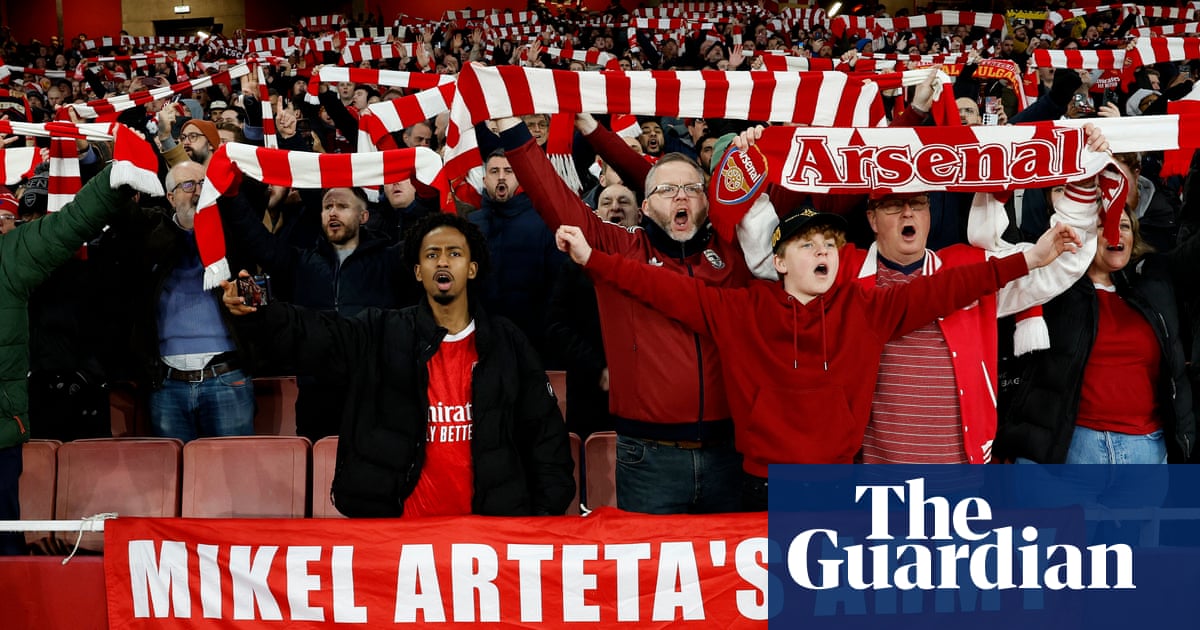
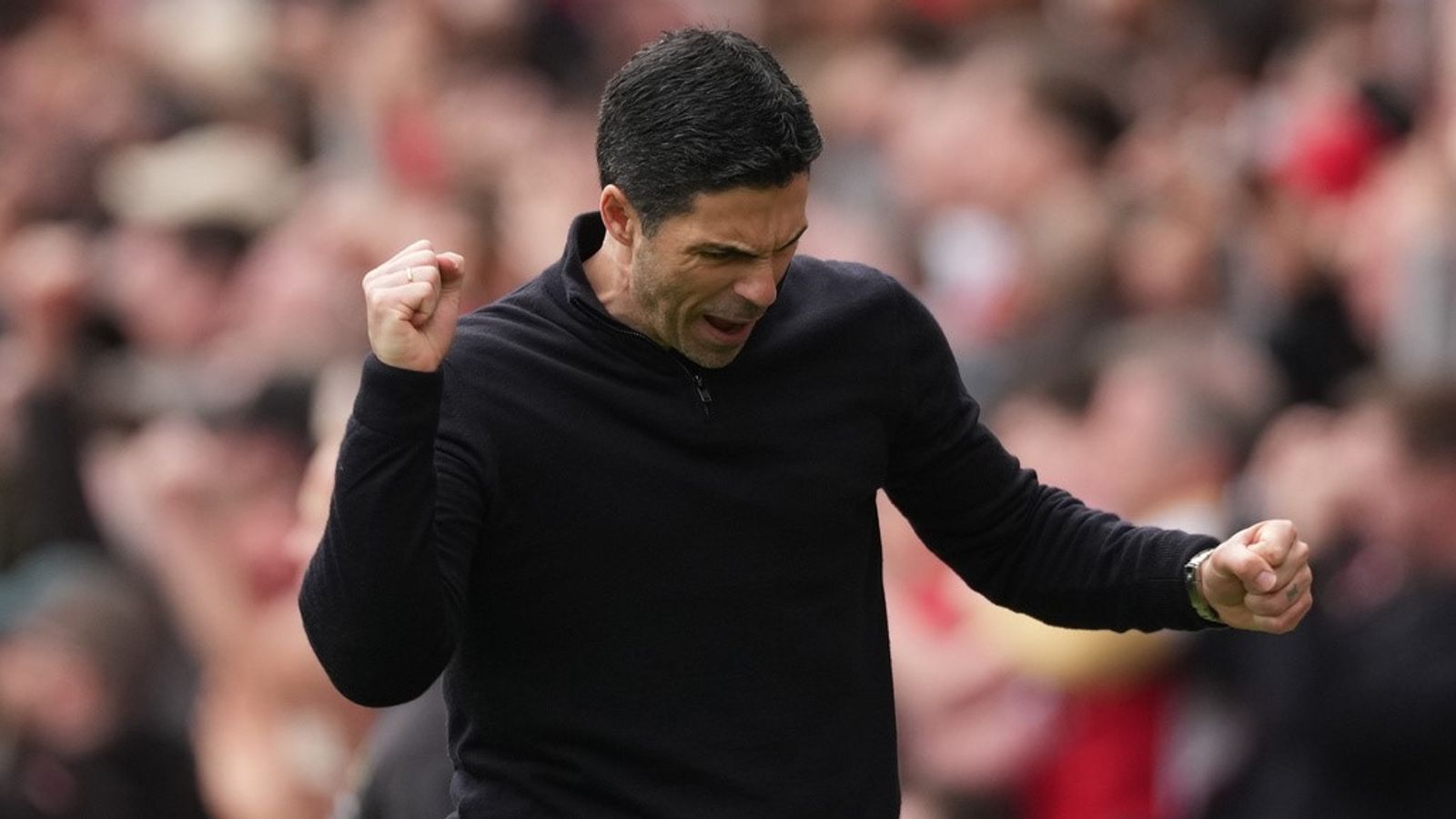
May is the month where tactical theory meets physical exhaustion. You can draw arrows on a whiteboard all season, but when the grass is dry and the players have 4,000 minutes in their legs, structure is what keeps a team from collapsing. Mikel Arteta knows this. He has built a side obsessed with control, specifically to survive weeks exactly like this one.
Arsenal are staring down a defining run of fixtures. The Premier League title race against Manchester City is a grueling war of attrition, but tonight is different. A Champions League semi-final second leg requires a completely different emotional regulation. You do not get 38 games to fix a mistake here. A single missed assignment on a set piece, a late jump in the press, and the entire season changes shape.
This context explains why the noise surrounding Arsenal's transfer targets is peaking. Reports emerged today that Liverpool have entered the race for Real Sociedad's Martin Zubimendi, with The Mirror noting his telling admission regarding his future. Arsenal’s interest in the Basque midfielder is the worst-kept secret in football. Edu and Arteta have been monitoring his release clause for months.
Why him? Because he is a pure tempo-dictator. He is the profile of player you buy when you want to kill the chaos of European knockout ties. If you watch his tape in La Liga, he rarely sprints. He scans, he drifts, and he maps the pitch before the ball even arrives at his feet. Arteta doesn't want heavy metal football tonight. He wants anesthesia.
The mechanics of the 4-4-2 block
When Arsenal do not have the ball, they are arguably the most structurally rigid team in Europe. The shift from their base attacking shape into a compact mid-block is seamless. Martin Ødegaard pushes up alongside Kai Havertz. The wingers, Bukayo Saka and Leandro Trossard, drop aggressively to protect the half-spaces.
The real magic happens in the vertical distances. Arsenal aim to keep exactly twelve to fifteen yards between their center-backs and their forward line when sitting in that block. It compresses the center of the pitch so entirely that opponents are forced wide.
Once the ball goes wide, the trap springs. If the opposition full-back receives possession, Saka triggers the press, using the touchline as an extra defender. Declan Rice immediately jumps to tightly mark the nearest inside passing option. It is a suffocating sequence that forces hopeful long diagonals, which William Saliba and Gabriel Magalhães gobble up for fun.
However, there is a risk attached. If the initial trigger is bypassed—if the winger jumps a fraction of a second too late—the midfield is suddenly exposed. Rice has an incredible engine, but he cannot cover the entire width of the pitch if that first line of pressure is broken.
The left-side rotation dilemma
Arteta has a massive decision to make tonight regarding his left flank. The dynamics on the right are settled. Ben White overlaps, Saka holds the width, and Ødegaard operates in the right half-space. It is a well-oiled triangular machine.
The left side is more fluid, and occasionally, more disjointed. If Takehiro Tomiyasu starts at left-back, Arsenal gain immense defensive stability in one-on-one duels. He tucks in to form a back three in possession, allowing the left-sided eight to push higher. But this setup demands that the left winger hold the width entirely on his own.
If Oleksandr Zinchenko plays, the build-up structure changes fundamentally. Zinchenko inverts into midfield, forming a double pivot. This creates central overloads, making it incredibly difficult for opponents to press Arsenal high. It gives Arsenal the numerical superiority to dominate possession, which is precisely how Arteta prefers to defend: by simply keeping the ball.
The flaw in the Zinchenko approach is defensive transition. When Arsenal lose the ball high up the pitch, the space vacated by Zinchenko at left-back is a glaring target. Top European sides isolate that channel. Gabriel is often forced to pull wide to cover, which stretches Saliba and opens the penalty area. Arteta has to calculate if the extra control in possession is worth the structural vulnerability on the counter.
Where the plan falters
No team is perfect, and Arsenal still carry a lingering flaw that tends to surface under extreme pressure. There is a noticeable drop in their defensive line when defending a narrow lead in the final 15 minutes of massive matches.
Instead of maintaining their aggressive mid-block, the defensive line naturally sinks deeper toward David Raya's penalty area. The gap between the midfield and the defense disappears, but the gap between the midfield and the forwards expands. Arsenal stop challenging for second balls near the halfway line. They invite crosses.
This is a dangerous game in Europe. You cannot willingly hand the initiative to elite opposition and simply hope your center-backs head away every cross. It happened against Bayern earlier in the tournament, and it nearly cost them. If Arsenal take the lead tonight, watching how high Saliba positions himself on opposition goal kicks will tell you everything about the team's psychological state.
The Havertz spatial function
We cannot preview this match without talking about Kai Havertz. The German has redefined the number nine role in this system. He does not play on the shoulder of the last defender like Erling Haaland, and he does not drop deep to spin play like Harry Kane.
Havertz is a spatial manipulator. His primary job is to make opposing center-backs uncomfortable. He drifts into the channels between the full-back and the center-back. When an Arsenal wide player receives the ball, Havertz makes an immediate diagonal run toward the near post.
It rarely results in a direct pass to him. That isn't the point. The run drags a center-back with him, opening a massive hole at the edge of the penalty area for Ødegaard to exploit. It is unselfish, relentless running. Furthermore, his aerial ability offers a brilliant out-ball when Arsenal are pressed high. Raya can simply clip a forty-yard pass to his chest, bypassing the opposition midfield entirely. In a game of fine margins, Havertz’s off-ball movement might be the single biggest tactical weapon Arsenal possess tonight.
The final verdict
The stakes could not be higher. Arsenal are no longer the naive, exciting project of two years ago. They are a hardened, cynical footballing entity when they need to be. The potential arrival of players like Zubimendi speaks to a club planning for sustained dominance, but the current squad has to prove they can cross the final threshold now.
Tonight will be cagey. I expect Arsenal to dominate the ball in the first twenty minutes, attempting to dictate the tempo from the opening whistle. They will build in a 3-2-5, pin the opposition back, and look for an early breakthrough via a set piece. Nicolas Jover’s set-piece routines are simply too varied for opponents to survive indefinitely.
The key battle will be in the transition moments. If Arsenal counter-press effectively when they lose the ball in the final third, they win the tie. If they are passive and allow the first out-ball to be played without pressure, they will suffer.
I think Arteta's structure holds up. It won't be a beautiful, free-flowing exhibition. It will be a gritty, calculated performance built on defensive solidity and opportunistic finishing. They will suffer for periods, but this iteration of Arsenal knows how to suffer without collapsing.
Prediction: Arsenal to secure a 1-0 victory on the night, relying on a second-half set piece header, and seeing out the final ten minutes through sheer defensive attrition.