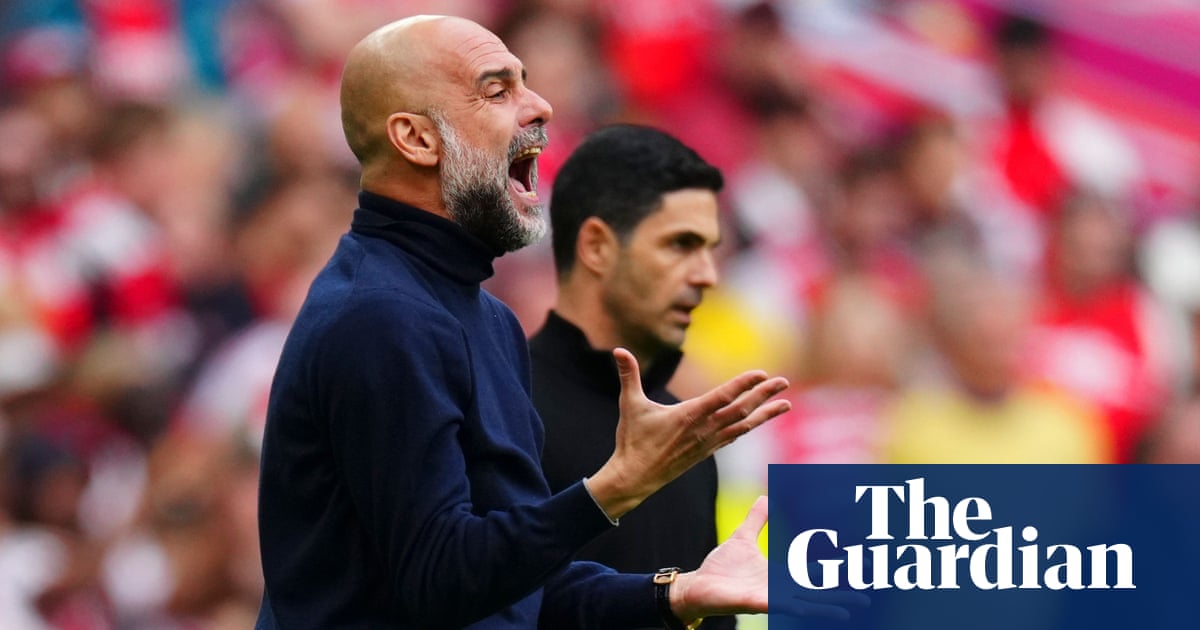
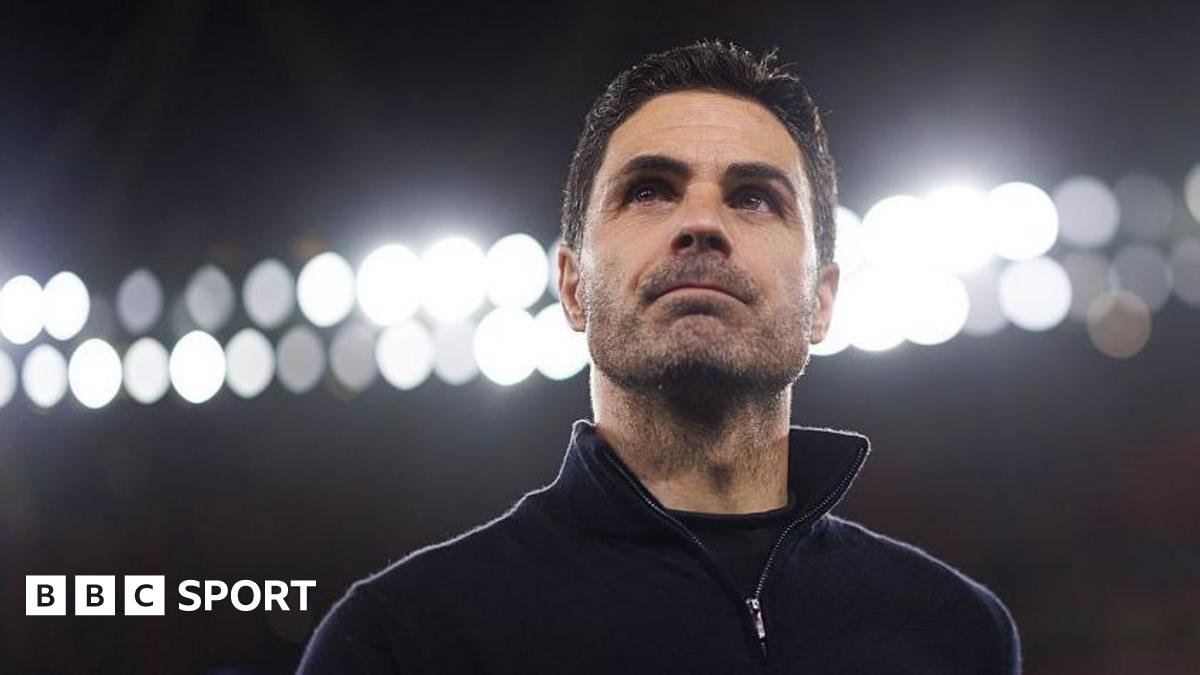
The master vs the apprentice in the Premier League title race
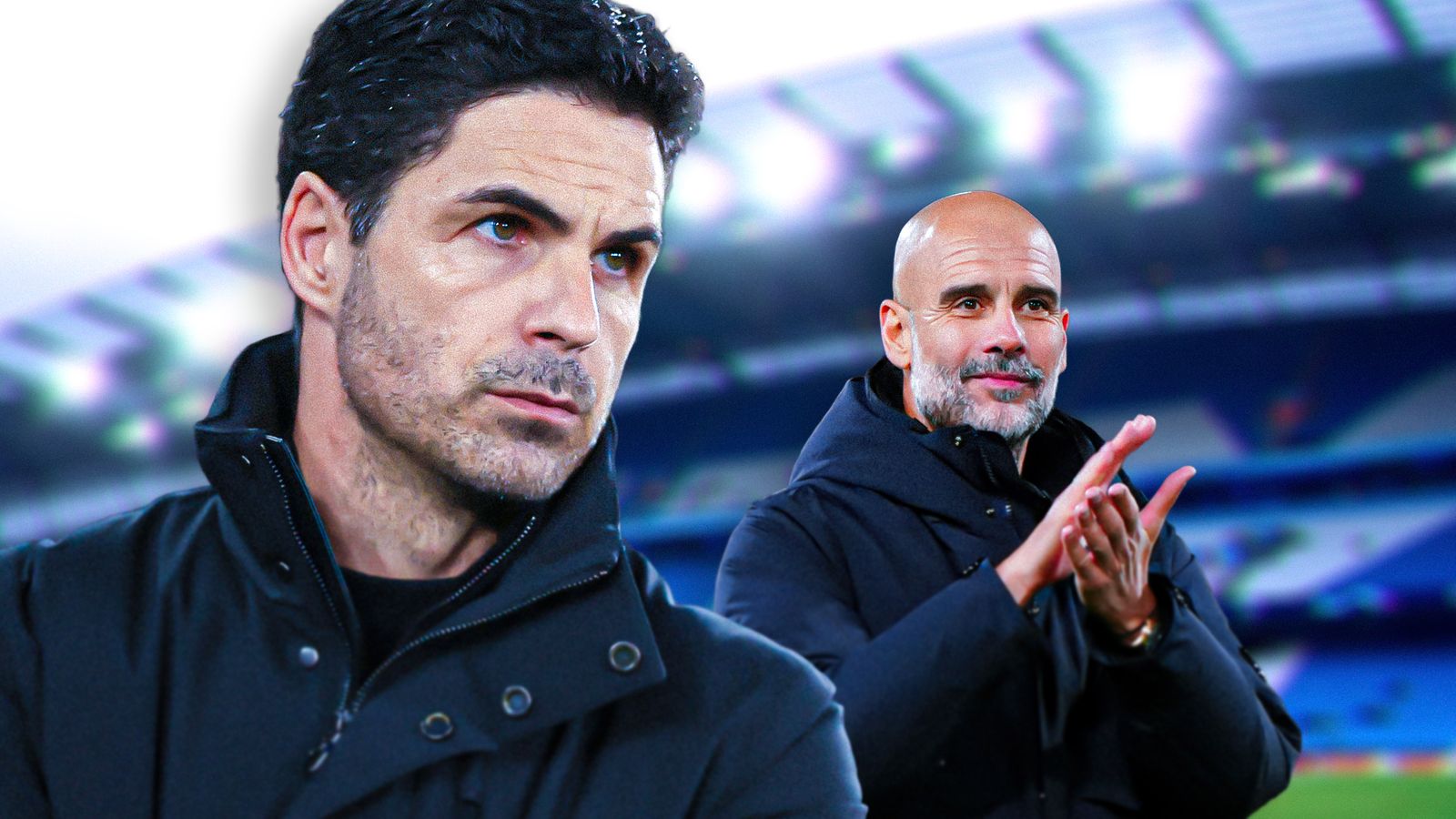
We are sitting here in mid-April 2026, and the Premier League is, predictably, a two-horse grind. Mikel Arteta and Pep Guardiola are locked in a tactical tango that feels more like a cold war than a friendly rivalry. They spent years share-trading ideas at Manchester City, but now they are just two guys trying to destroy each other’s championship dreams.
Arteta finally cracked open the door on how he feels about his former mentor recently. He noted in an interview that the dynamic shifted the moment he stepped into the Emirates hot seat. It is the classic sports trope: the prodigal son returns, but this time he brought a better defense and a chip on his shoulder.
Watching their games, you see the fingerprints of that shared history everywhere. Whenever Arsenal lines up in that high-octane 4-3-3, you see the ghost of Pep’s obsession with inverted full-backs haunting the pitch. It is effectively watching a mirror match where one side has a slightly younger, angrier engine. Here is the link to the full breakdown of their recent friction.
The strategic pivot toward total control
What makes this rivalry exhausting is how familiar both coaches are with the playbook. When Guardiola brings his squad out, he is not just playing the opponent; he is playing against a version of his own brain. Arteta knows every tactical tic of the Etihad setup, which creates this bizarre stagnation in their head-to-head fixtures.
There is a glaring issue with this constant chess match, though. It has become agonizingly predictable. They spend so much time neutralizing each other that the actual entertainment value during their direct clashes frequently hits a wall. We get a stalemate while the rest of the league watches, hoping someone takes a chaotic risk that actually results in a goal.
The pressure is mounting as we head toward the final sprint into May. Manchester City remains the gold standard for efficiency in the final third, landing shots at a ridiculous conversion rate. The current stakes are clear: Arsenal is hunting their first real title in two decades, while City is just trying to maintain their status as the final boss of European football. Every single point dropped now matters more than the 82 points currently held by their respective squads.
Is the mentorship dynamic actually toxic?
People love the narrative of the brotherly bond, but let’s be honest: this is business. Arteta’s frustration is visible when he has to address the Guardiola question during press conferences. He treats it like a journalist asking him about his least favorite uncle at a wedding. He wants to win on his own terms, but he can’t escape the shadow of the guy who taught him how to set the sprinkler systems in Manchester.
If Arsenal falls short again, the narrative shift will be brutal. You will hear every pundit on the planet screeching that Arteta is merely a tribute act who fails when the lights are brightest. A loss in these conditions, likely decided by a single error or a contested call in the 88th minute, would leave a stain that takes a full summer to scrub off.
Look at the way they stare at each other during the touchline antics. That is not just professional respect. That is the look of two people who have spent too many hours analyzing the same spreadsheets. If the scoreline ends up 1-1 for the third time in a row, I am officially retiring from watching these tactical snoozefests. Give me some chaos, some defensive blunders, or at least a player getting sent off for a ridiculous slide tackle.
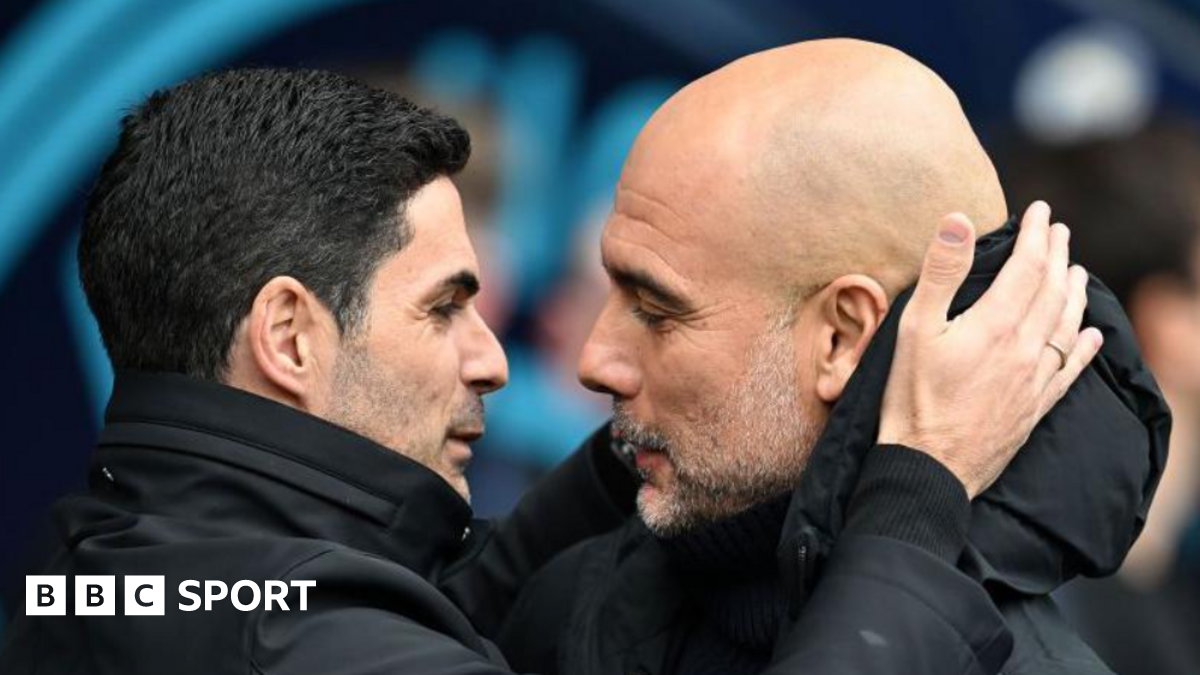
Ultimately, this isn't about deep emotional growth. It is about trophies, massive bonuses, and who gets to claim they are the smartest guy in the room at May’s end. If you want to follow the drama, just watch for the handshake at the end of the next fixture. That will tell you everything you need to know about the current state of their professional 'friendship'.