The Margin For Error Is Gone
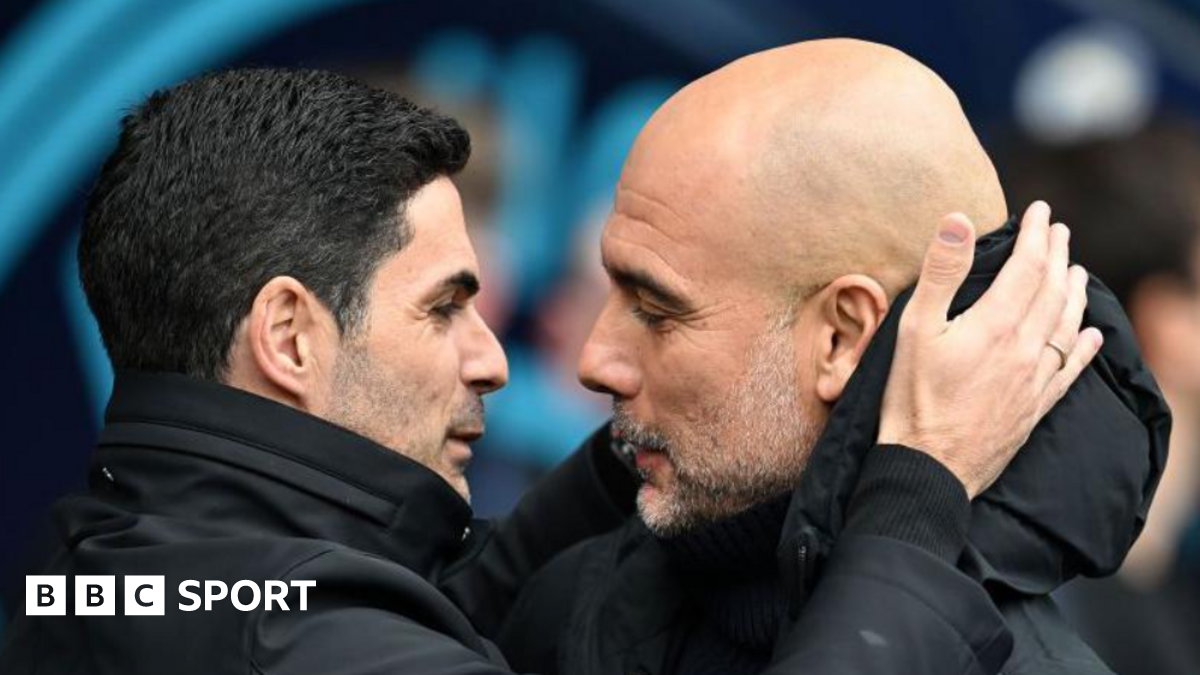
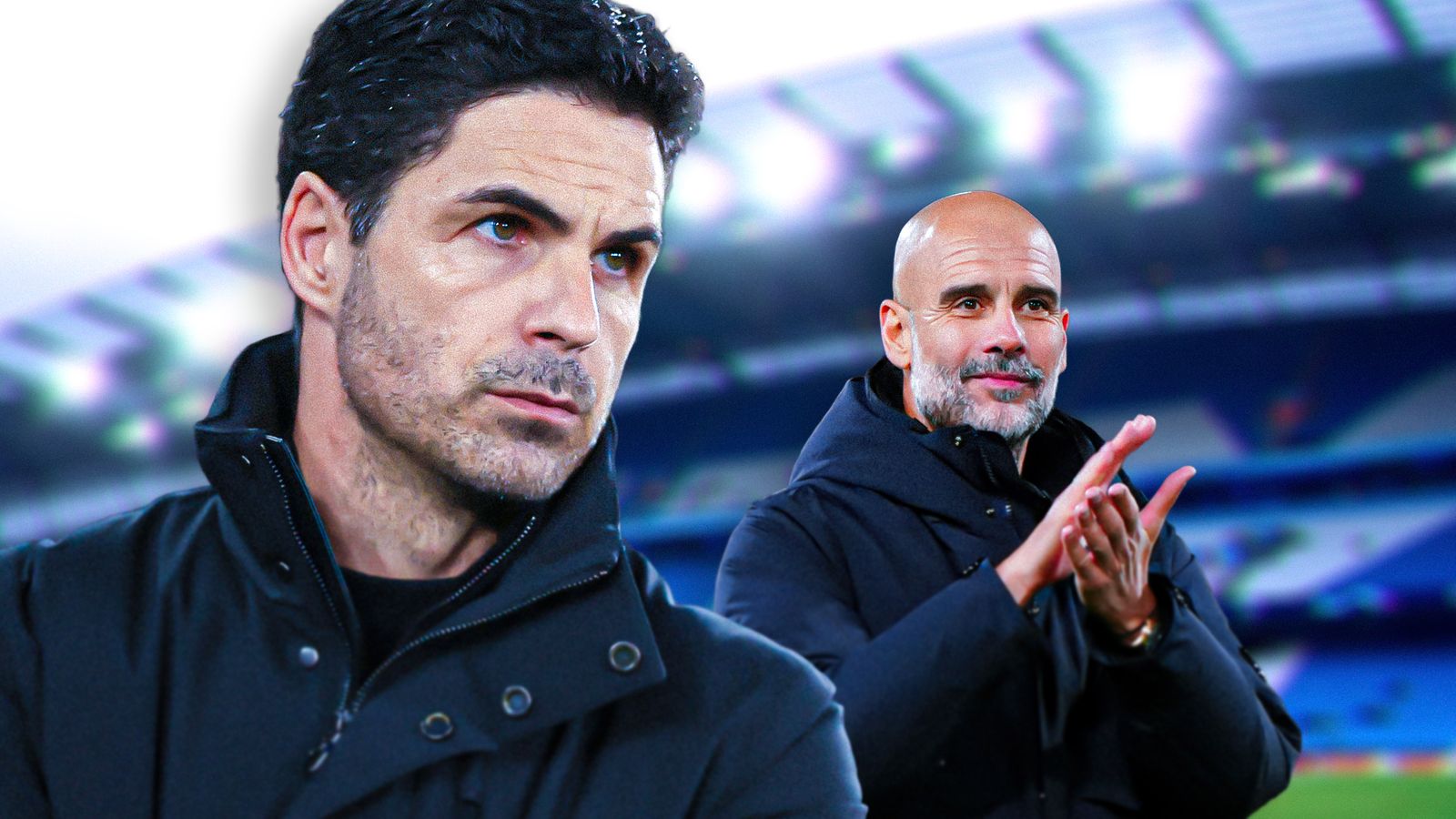
The calendar has turned to late April, and the Premier League title race has distilled itself into a brutal binary. You either win, or you go home empty-handed. For Arsenal and Mikel Arteta, the upcoming showdown with Manchester City is not just another fixture. It is the entire season condensed into ninety minutes of football. The margin for error is absolutely zero.
Every dropped point right now feels like a fatal wound. Manchester City are notorious for their relentless winning streaks as the weather warms up. They smell blood in the water. Arsenal know that standing toe-to-toe with Pep Guardiola's machine requires absolute tactical perfection and a refusal to blink under immense pressure.
Decoding Arteta's Defensive Blueprint
If Arsenal are to emerge victorious, the foundation will be built on their central defensive partnership. William Saliba and Gabriel Magalhaes have been the bedrock of Arteta's project. Their ability to manage space and dominate physical duels is unmatched in the division. But facing Erling Haaland is a uniquely terrifying proposition.
Arsenal cannot afford to sit deep and absorb pressure. That is a slow death against City. Arteta will likely instruct his defensive line to push high, compressing the space in midfield. This is a high-risk strategy. It leaves acres of green grass behind for Kevin De Bruyne to exploit with his trademark sweeping passes.
The key will be cutting off the supply line at the source. Arsenal's forwards must press intelligently, forcing City's defenders to play sideways. If City break the first line of pressure cleanly, Arsenal's center-backs will be repeatedly exposed to isolated sprints against the quickest attackers in the league.
The Midfield Chokehold
The game will be won or lost in the middle of the park. Declan Rice was brought to North London for nights exactly like this one. His price tag of £105m was an investment in big-game stability. Rice has the engine to track City's runners and the physicality to disrupt Rodri's metronomic passing.
Rodri is the heartbeat of Manchester City. Stop him, and you slow the entire machine down. Arsenal will likely deploy Martin Odegaard to shadow the Spanish midfielder out of possession. Odegaard's work rate is phenomenal, but this assignment requires relentless concentration. If he switches off for a single second, Rodri will dictate the tempo.
Second balls will also be vital. Whenever the ball goes long, the midfield battle turns into a chaotic scramble. Arsenal have improved immensely in this area, showing a rugged edge missing in previous campaigns. They have to win the ugly battles before they can paint the pretty pictures.
Guardiola's Evolving Puzzle
Predicting Pep Guardiola's lineup is a fool's errand. The Catalan manager constantly tinkers with his system, finding new angles and overloads to confuse his opponents. This season has seen Phil Foden take on even more responsibility centrally, floating between the lines. Foden's quick turns and low center of gravity make him a nightmare to mark.
Then there is Bernardo Silva. The Portuguese midfielder might not grab the headlines every week, but his tactical intelligence is off the charts. He orchestrates the press, covers ground relentlessly, and rarely loses the ball in tight spaces. Arsenal's full-backs will have their hands full dealing with City's fluid front five.
Novel Solutions and Marginal Gains
As the BBC rightly noted, this title race might be decided by novel solutions, no matter how small. Arteta is a disciple of Guardiola, and he knows conventional tactics are rarely enough to beat the master. We might see unexpected tweaks from the Arsenal boss to disrupt City's rhythm.
Could Ben White invert even further into midfield to create a numerical advantage? Might Kai Havertz drop unusually deep to pull Ruben Dias out of his comfortable central zone? These marginal gains are where modern elite football is contested. Arteta spends hours analyzing video to find tiny structural weaknesses.
Set pieces will be another massive factor. Nicolas Jover, Arsenal's set-piece coach, has transformed the team into a lethal threat from corners and free kicks. In a tight, tense game where open-play chances are scarce, a well-worked routine could easily be the difference between a win and a draw.
The Flaw in the Machine
Despite their brilliance, Arsenal are not without flaws. Their left flank has looked disjointed and vulnerable in recent weeks. Without a consistently dynamic and overlapping left-back, Gabriel Martinelli often finds himself isolated against double teams. The ball progression on that side is visibly slower and less inventive.
City will absolutely target this weakness. They will set pressing traps on Arsenal's left, forcing turnovers in dangerous areas. If Arsenal cannot find a way to quickly switch the play to Bukayo Saka on the right, they will get bogged down and eventually punished.
Furthermore, Arteta's in-game management remains a valid point of criticism. He often hesitates to use his bench, waiting too long to make necessary substitutions. Against a team that attacks in waves like City, tired legs are heavily punished. Arsenal looked physically drained in the final twenty minutes of their last outing.
The Psychological Barrier
Beyond the tactics and the personnel, there is a massive psychological barrier to overcome. Manchester City are the undisputed kings of the late-season surge. They project an aura of inevitability. When April and May arrive, they simply stop dropping points. They have broken the spirit of multiple challengers before.
Arsenal have the talent to win the league, but they still have to prove they possess the cold, ruthless mentality required to finish the job. The ghosts of past collapses linger in the background. Every misplaced pass will be scrutinized. The pressure is suffocating, and the players have to embrace it.
The Final Verdict
Tactical boards and pre-match analysis only matter until the whistle blows. Then, it becomes a game of execution and raw desire. Someone has to track the runner. Someone has to win the header. Someone has to keep their composure when a clear chance falls to them in the penalty box.
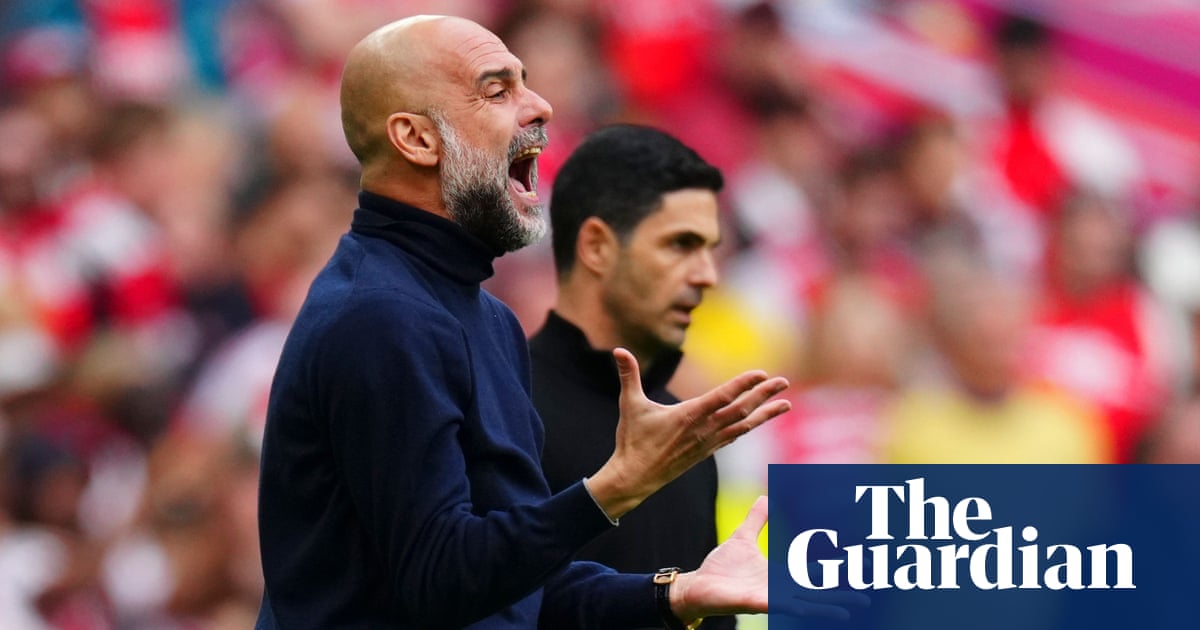
This match is a collision of two exceptional footballing philosophies. Arteta knows exactly what Guardiola wants to do, and Guardiola knows exactly how Arteta will try to stop him. It is a chess match played at a hundred miles an hour. The stakes could not be higher, and the world will be watching to see who blinks first.