The Cost of Staying on the Pitch
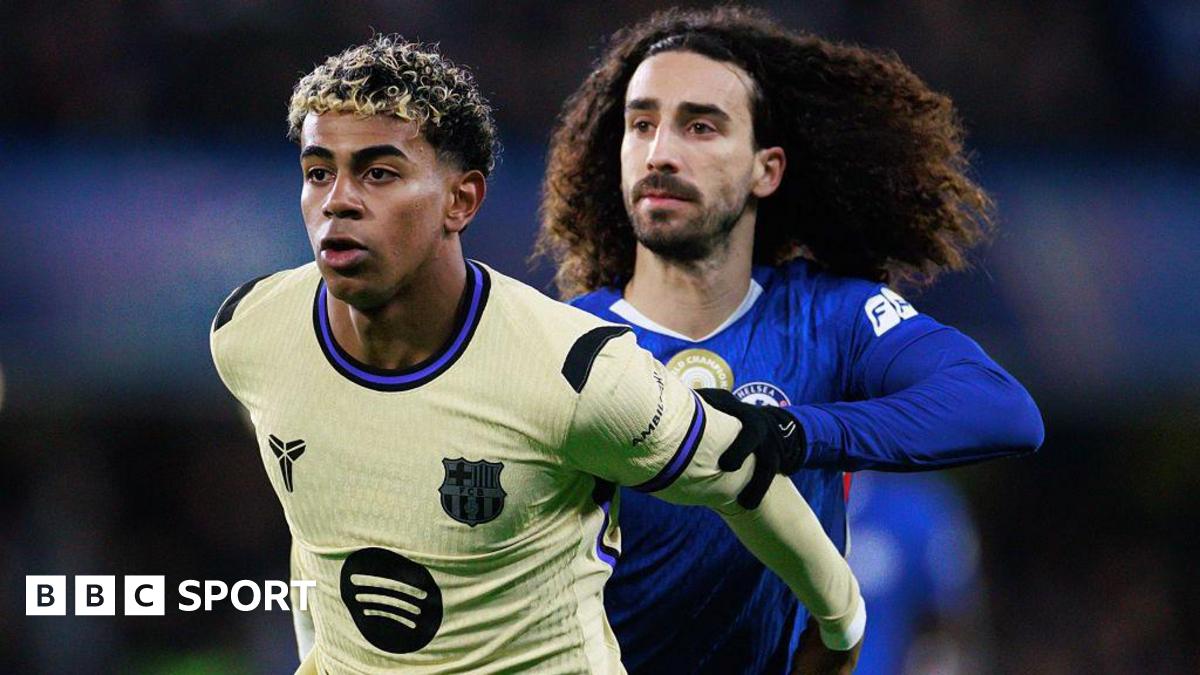
Marc Cucurella is currently the most valuable anomaly in European football. While Chelsea’s medical room resembles a crowded departure lounge at Heathrow, the Spanish left-back has emerged from a chaotic season with his fitness intact. It is exactly this reliability that has triggered Atletico Madrid’s aggressive pursuit of the 27-year-old as the summer transfer window approaches.
Diego Simeone is not just looking for a defender; he is looking for a survivor. Atletico’s exit from the Champions League semi-finals at the hands of Arsenal exposed more than just tactical flaws. It highlighted a squad that has finally buckled under the physical demands of Simeone’s high-friction system. With Matteo Ruggeri and David Hancko both struggling through the final weeks of the season with persistent muscle issues, Atletico’s interest in Cucurella is a move driven by medical desperation.
The irony is that Cucurella’s own season was nearly derailed by a hamstring scare in February 2026. He missed four weeks of action during a pivotal run of fixtures, but his recovery was managed with a precision that has been absent elsewhere at Cobham. Since his return in mid-March, he has played 840 minutes of high-intensity football without a single relapse. For a club like Atletico, whose current left-back options are either recovering from surgery or playing through the pain barrier, that medical record is worth more than any scout’s report.
The Chelsea Hamstring Epidemic
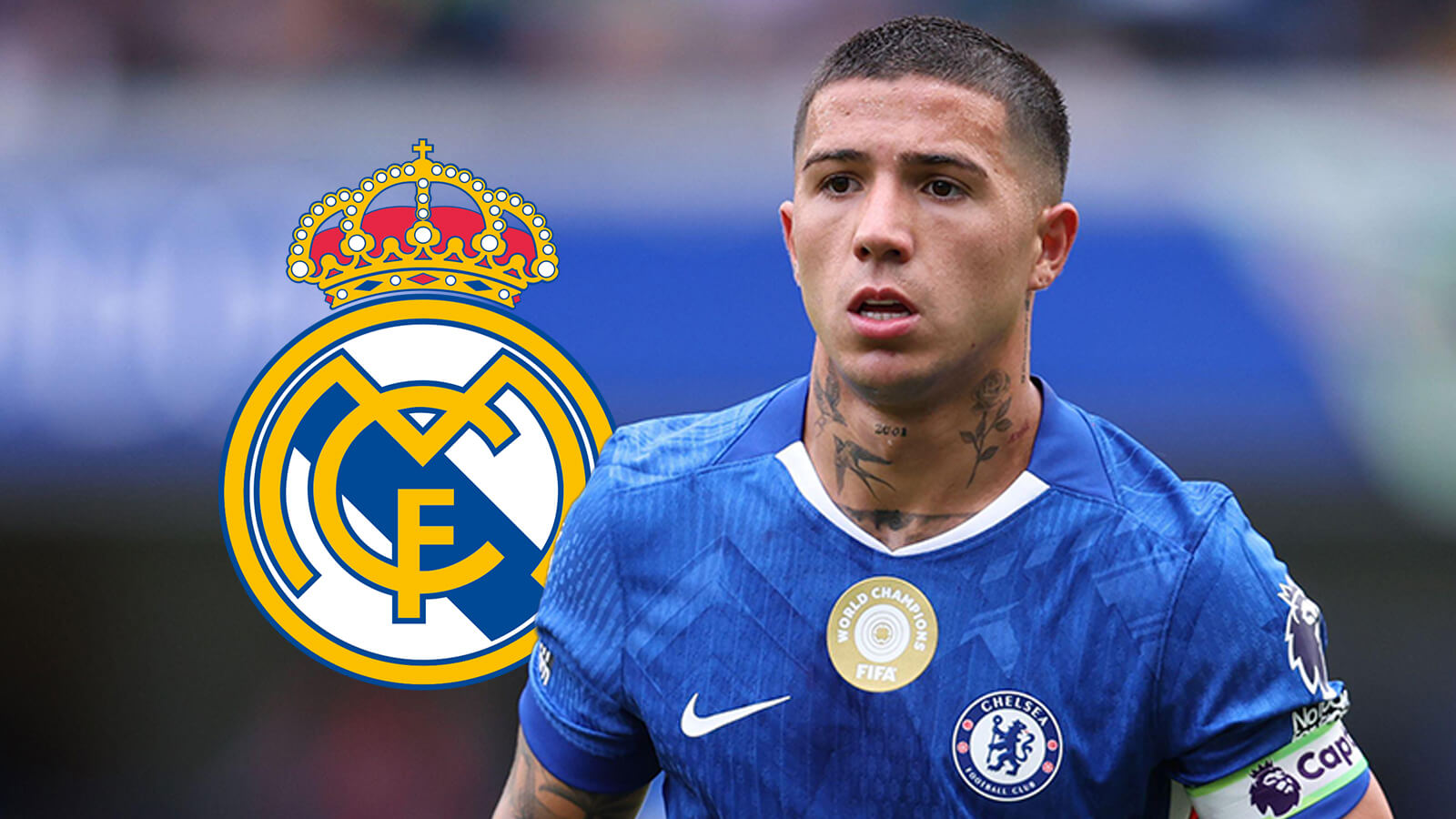
While Cucurella stands as a success story for the conditioning staff, the rest of the Chelsea squad tells a grimmer tale. The most significant blows involve the club’s future cornerstones, Estêvão and Jamie Gittens. Both wingers have seen their seasons end prematurely due to grade-two hamstring tears. These are not impact injuries or freak accidents; they are the predictable result of a squad being pushed to the limit in a system that demands constant explosive transitions.
Estêvão’s injury is particularly damaging. The Brazilian teenager was the spark that kept Chelsea’s top-four hopes alive, but his hamstring gave way during a routine sprint against Liverpool. The recovery timeline for a grade-two tear at this intensity is typically 8 to 10 weeks. This means he will miss the entirety of pre-season, a period vital for his physical development in a more physical league. It is a massive failure of the high-performance department to allow a talent of his profile to reach a breaking point so early in his career.
Jamie Gittens is in a similar boat. His history of shoulder issues was well-documented before he arrived in London, but it is his lower-body durability that is now under the microscope. Gittens has missed 14 matches this season due to various muscular complaints. When you spend over 100 million pounds on two young wingers, you expect them to be available for more than 60 percent of the minutes. Right now, Chelsea are paying world-class wages for elite-level rehabilitation.
The Safety Failure in the Derry Case
There is a darker side to the current fitness report at Chelsea. The season-ending injury to 18-year-old Jesse Derry against Nottingham Forest earlier this month should have sparked a wider conversation about player safety. Derry sustained a severe head injury in a collision that looked dangerous from the first replay. Yet, the speed at which he was initially cleared to continue before eventually being substituted ten minutes later was alarming.
The subsequent diagnosis of a significant concussion and the decision to shut him down for the remainder of the year was the correct one, but it came too late. The medical protocol for head injuries in the Premier League still feels reactive rather than preventative. Derry was one of the few bright spots in a transition year, and seeing his development halted by a mismanagement of a collision is a negative mark on the league’s duty of care. He is currently undergoing neuro-cognitive therapy and will not return to training until July at the earliest.
The Reece James Management Model
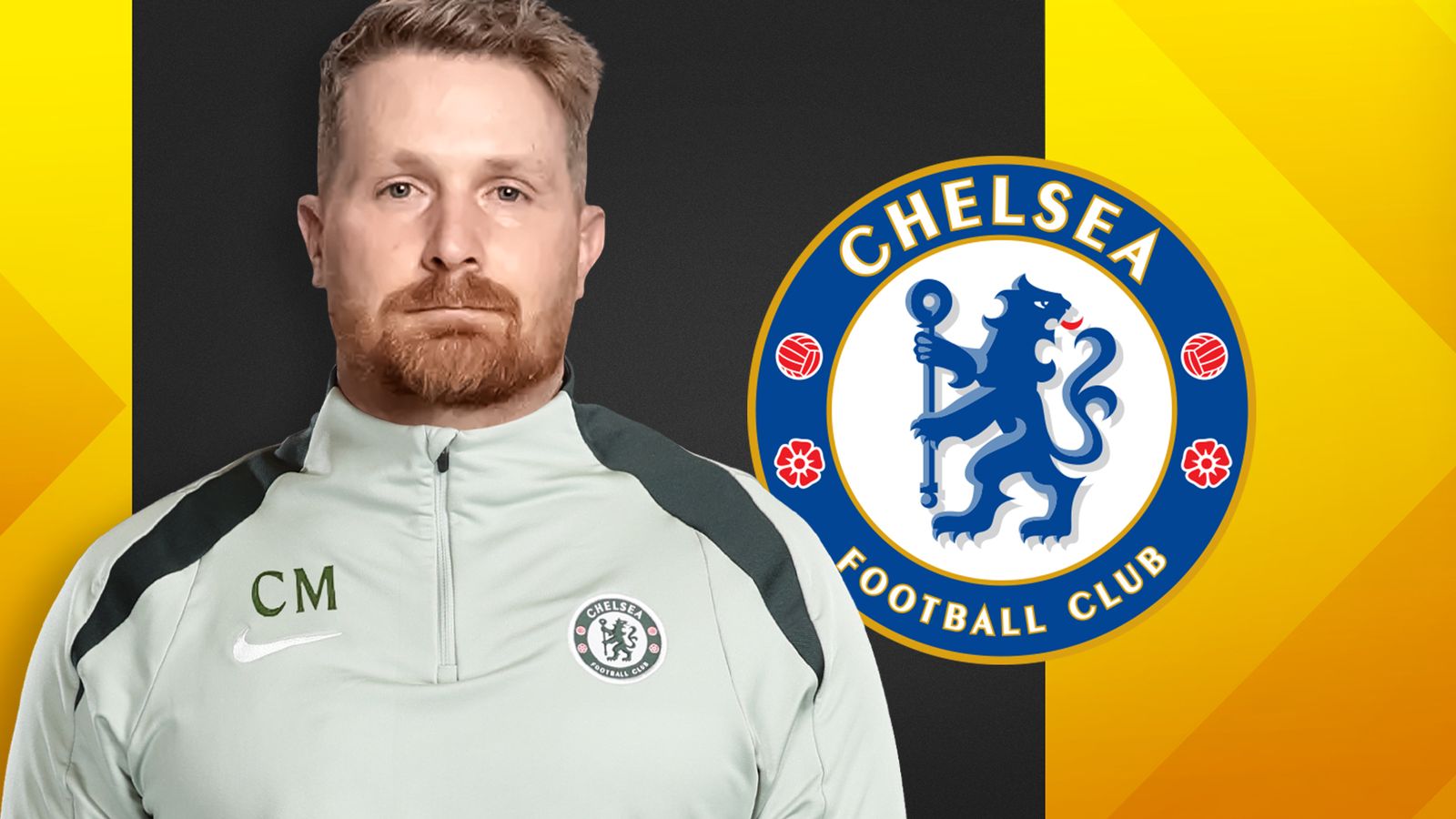
Reece James remains the most complicated file in the Chelsea medical cabinet. The captain is currently available for selection, but he is operating under a "restricted minutes" program that limits him to 60 minutes per game. This is no longer a temporary measure; it is a permanent tactical constraint. Interim manager Calum McFarlane has been forced to use a substitute window almost every single week just to protect James from his own body.
This management style has ripple effects across the entire defensive unit. It puts more pressure on players like Levi Colwill, who is himself being eased back from a long-term ACL layoff. Colwill’s return has been the one bright spot in a dreary May, but even he is being rested for the final league fixtures to avoid any unnecessary load before the World Cup. The fact that Chelsea’s two best defenders are essentially part-time employees is a staggering indictment of their long-term squad building.
Levi Colwill’s ACL recovery took 290 days from the initial surgery to his first competitive start. While he looks mobile and confident on the ball, the data shows his top-end speed is still three percent lower than his pre-injury peak. This is normal for this stage of recovery, but it makes the decision to potentially send him to the World Cup with England a massive risk. A second ACL injury would be catastrophic for his career trajectory and his transfer value.
Why Atletico Need the "Iron Man"
This brings us back to Atletico Madrid and Marc Cucurella. Simeone’s interest is a direct reaction to the fragility of his own squad. Matteo Ruggeri has been a standout since arriving from Atalanta, but he has been nursing a pelvic issue that has limited his training time for the last month. David Hancko, who can cover at center-back or left-back, is currently managing a minor muscle tear that he sustained during the semi-final exit to Arsenal.
When you add the fact that Ilias Kostis is still months away from returning after his own cruciate ligament reconstruction, Atletico’s defensive depth is non-existent. They need a player who can step into a 50-game season without needing a specialized recovery plan. Cucurella’s ability to feature in the FA Cup final on May 16, just days after a grueling league schedule, proved he has the durability Simeone demands.
For Spain, this is also excellent news. Luis de la Fuente has already indicated that Cucurella will be his primary left-back for the World Cup kickoff on June 11. His partnership with Nico Williams on the left flank is built on high-speed overlaps and constant tracking back. That role requires a specific level of aerobic capacity that many of his peers simply cannot maintain right now. If Atletico get their way, they will be buying a player who is entering the tournament at the peak of his physical powers.
The Strategic Fallout
The transfer market in 2026 is no longer just about who can pass the ball or score from 30 yards. It is about who can stay on the grass. Chelsea’s willingness to listen to offers for Cucurella might seem strange given their injury list, but it is a move dictated by financial regulations. They need to balance the books, and selling a fit, high-value asset like Cucurella is easier than shifting the expensive, injured wingers who currently populate the treatment room.
However, if Chelsea sell Cucurella, they are betting everything on the hope that Reece James and Levi Colwill can suddenly become 40-game players. History suggests that is a losing wager. The medical department at Cobham is under more pressure than ever. The training methods, the surface at the training ground, and the load management protocols will all be reviewed this summer. You cannot win trophies when your best players are essentially expensive ornaments.
Atletico Madrid’s move for Cucurella is the first domino in a summer where medical records will be as important as highlight reels. Simeone knows that the gap between Atletico and the Champions League elite isn’t just talent—it’s physical robustness. By targeting the one man who survived the Chelsea injury epidemic, he is trying to buy himself some much-needed security for the 2026-27 campaign.
Read Next
- One Night of Fight Doesn't Fix Chelsea's Billion-Pound Mess
- Pochettino's Defiance, Ange's Fury: The London Derby's Boiling Point
- Arsenal's title win is only the start as Pep Guardiola walks away
- Man City’s tone-deaf kit drop is a masterclass in failing to read the room
- 🏆 World Cup 2026 — Full Coverage Hub
- ⚽ La Liga 2025-26 — Title Race Hub
- ⭐ UCL 2026 — Champions League Quarter-Finals Hub